
Breaking the Cycle: Managing Masseter Hypertrophy and TMJ Discomfort
Many individuals grapple with painful tension and facial discomfort, often unnoticed, in areas that are vital for everyday activities like speaking and eating. Understanding the underlying causes of this discomfort can lead to effective strategies for alleviating symptoms and improving quality of life.
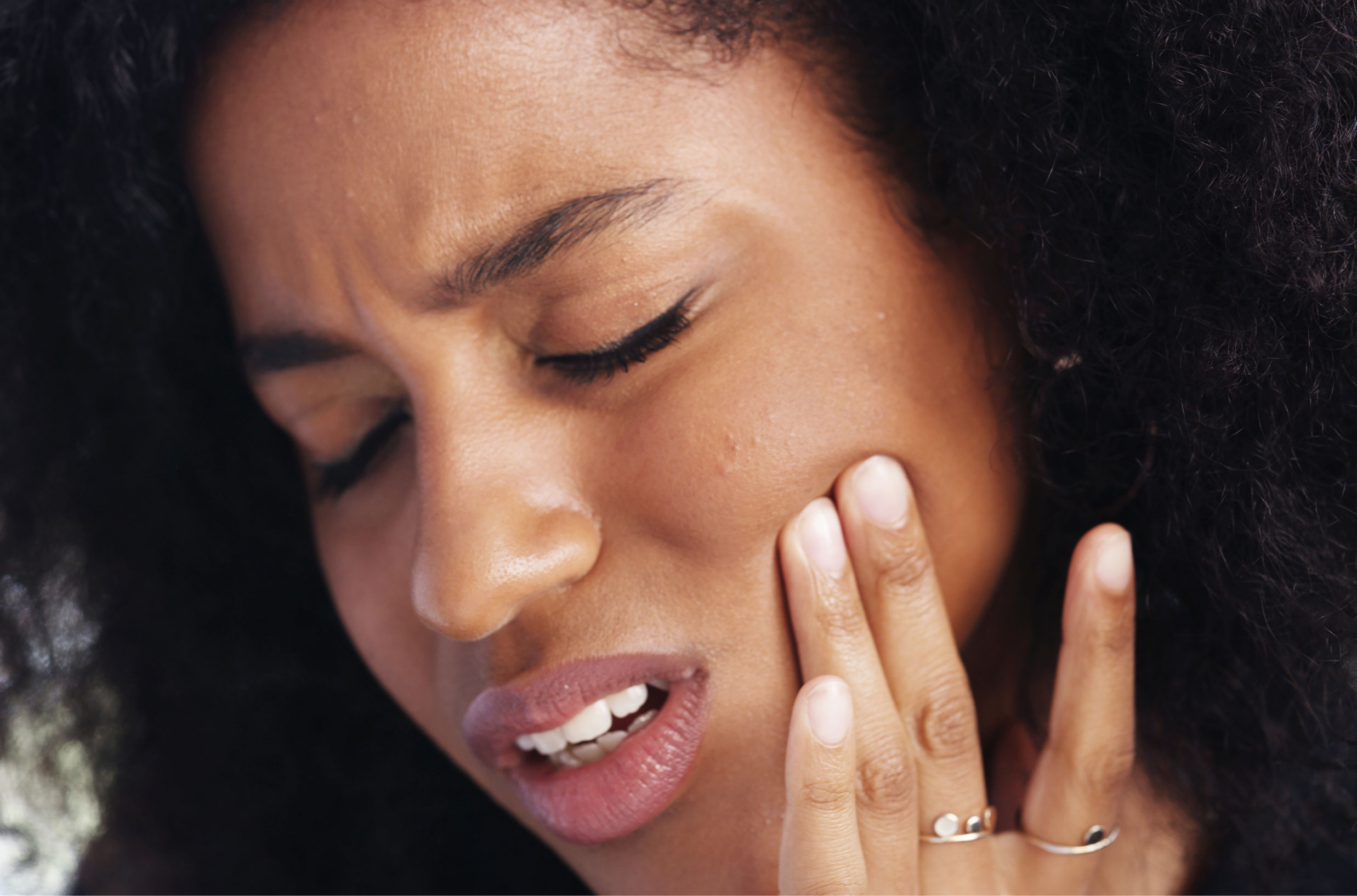
The Silent Connection Between Stress and Muscle Tension
Unmasking the Invisible Habits of the Jaw
When exploring the roots of facial pain, the investigation often begins with unconscious habits that fly under the radar during our waking hours. A surprising fact for many is that in a healthy state, the upper and lower teeth should only make contact for approximately 20 minutes a day, mostly while swallowing or chewing. However, for those suffering from chronic discomfort, this duration is often significantly exceeded. During moments of intense concentration—whether typing a report, driving in traffic, or performing household chores—it is common to unknowingly engage in clenching. This static loading of the jaw muscles acts like an isometric exercise that never ends, placing immense strain on the facial structure without the person realizing it until pain sets in.
This persistent engagement keeps the muscles of mastication, particularly the large cheek muscles and the fan-shaped muscles on the side of the head, in a state of perpetual exhaustion. Imagine holding a heavy box with your arms extended for hours; eventually, the muscles will scream for relief. Similarly, the jaw muscles become overworked, leading to fatigue, stiffness, and the development of masseter hypertrophy. This condition, where the jaw muscles physically enlarge due to overuse, not only alters facial aesthetics but contributes to a cycle of pain. Furthermore, since stress activates the sympathetic nervous system, this tension often cascades down, linking jaw tightness with stiff necks and shoulders, creating a complex web of discomfort that requires awareness to unravel.
The Role of Posture and Ergonomics
While facial pain feels localized, its origins are frequently systemic, rooted in how we hold our bodies throughout the day. The human head acts like a heavy weight at the top of the spinal column, and its stability relies entirely on the neck and upper back. In our modern digital age, the prevalence of "tech neck"—posture resulting from hunching over smartphones or leaning toward computer monitors—has skyrocketed. When the head drifts forward past the shoulders, gravity pulls the lower jaw backward and down. To compensate for this drag and keep the mouth closed, the facial muscles must work overtime, creating unnecessary tension.
This biomechanical imbalance means that a slouching posture does more than just hurt the back; it fundamentally alters the resting position of the jaw. The tension in the suboccipital muscles at the base of the skull can restrict normal movement patterns, contributing to a limited range of motion (ROM) in the jaw itself. Addressing the issue requires looking beyond the face and evaluating the entire kinetic chain. Correcting rounded shoulders and bringing the head back over the spine can often provide immediate relief to the facial muscles, proving that the solution to jaw pain is often found in correcting the body's overall alignment.
| Posture Factor | Impact on Jaw Mechanics | Suggested Adjustment |
|---|---|---|
| Forward Head Posture | Pulls the mandible backward, forcing muscles to overwork to keep the mouth closed. | Align ears with shoulders; keep the chin tucked slightly in. |
| Rounded Shoulders | Tightens chest muscles and restricts neck movement, referring pain to the face. | Chest opening stretches; ergonomic chair setup to support the upper back. |
| Prone Sleeping (Stomach) | Places sustained lateral pressure on the jaw joint for hours. | Transition to back sleeping or side sleeping with a supportive pillow. |
| Cradling Phone | Compresses the neck and jaw on one side, causing asymmetrical muscle strain. | Use hands-free headsets or speakerphone to keep the head neutral. |
Interventions and Lifestyle Modifications
Mechanical Aids and Protective Measures
For many sufferers, the most immediate line of defense against nocturnal damage is the use of an occlusal splint. Often referred to as a night guard or stabilization appliance, this device is more than just a piece of plastic; it is a precision tool designed to alter the sensory feedback loop. During sleep, many people engage in bruxism, a rhythmic grinding or gnashing of the teeth that can exert hundreds of pounds of pressure. An appropriately fitted splint provides a smooth barrier that prevents the teeth from locking together, allowing the jaw to slide freely and reducing the leverage the muscles can generate.
The primary goal of these devices is to deprogram the muscles and allow the jaw joint to settle into a neutral, restful position. While a splint does not necessarily stop the brain from sending the signal to grind, it drastically reduces the damage to the tooth enamel and dissipates the forces that would otherwise traumatize the joint and muscles. Patients often report a significant reduction in morning headaches and facial fatigue after consistent use. It acts as a "crutch" for the jaw, providing the necessary stability for inflammation to subside, acting as a critical component in a broader management plan that includes behavioral changes.
Dietary Choices and Sleep Environment
Alongside mechanical aids, modifying daily habits is essential for allowing the tissues to heal. When muscles are inflamed and painful, they require "active rest." This means adjusting the diet to minimize mechanical stress. Avoiding hard, chewy, or crunchy foods—such as bagels, tough meats, or raw carrots—can significantly reduce the daily workload placed on the jaw. Even habits like chewing gum must be paused, as the repetitive motion acts as a workout for muscles that desperately need recovery. This dietary "softening" helps break the cycle of inflammation, creating a biological environment where natural healing can occur.
Sleep hygiene also plays a pivotal role. Beyond the duration of sleep, the physical position of the body affects jaw stability. Sleeping on the stomach pushes the jaw to one side, placing prolonged strain on the joint capsule. Optimizing the sleep environment involves using a pillow that supports the natural curve of the neck, keeping the spine neutral. Furthermore, reducing pre-sleep stimulation is vital. Since stress fuels the central nervous system's activity during sleep, engaging in a wind-down routine—sans blue light screens—can lower the intensity of nocturnal muscle activity, leading to a more restful, less tense morning.
Advanced Management and Long-Term Relief
Medical Therapies and Restoring Movement
When conservative measures like lifestyle changes and splints provide insufficient relief, medical interventions focusing on muscle physiology offer a powerful alternative. One increasingly common treatment involves the use of therapeutic injections, such as botulinum toxin, directly into the masseter and temporalis muscles. The mechanism is straightforward: the medication temporarily blocks the nerve signals that command the muscles to contract. This forced relaxation reduces the strength of the contraction, effectively preventing the patient from generating the extreme forces associated with severe grinding, even if the habit persists subconsciously. This can also help reduce the visible bulk of the muscles over time.
Parallel to medical intervention is the crucial role of physical therapy. A jaw that is locked or painful often suffers from a lack of coordination. Patients may experience joint crepitus, a clicking or popping sound during movement. While this noise can be alarming, it often indicates a coordination issue with the disc inside the joint rather than permanent damage. Therapy focuses on restoring a functional range of motion through gentle, controlled exercises. Unlike the old advice of total immobilization, modern approaches encourage "motion is lotion"—using specific stretches and strengthening movements to improve blood flow, reduce stiffness, and retrain the muscles to move smoothly without pain.
Breaking the Cycle of Misconceptions
A significant barrier to recovery is the anxiety surrounding the condition. Many patients fear that their pain is the result of irreversible bone damage or that surgery is the only answer. In reality, the vast majority of cases are myofascial—meaning they stem from the muscles and soft tissues, not the bone itself. Understanding that the popping sounds (crepitus) or the morning stiffness are manageable symptoms rather than signs of doom is vital for psychological relief. Fear often leads to "guarding," where a patient stiffens their muscles to protect the area, paradoxically increasing pain.
| Therapy Approach | Primary Goal | Best Suited For |
|---|---|---|
| Therapeutic Injections (e.g., Botox) | Chemically relaxes muscles to reduce contraction force and bulk. | Patients with severe muscular hypertrophy or those unresponsive to splints alone. |
| Physical Therapy (Manual) | Restores range of motion, mobilizes joints, and reduces trigger points. | Individuals with limited opening, stiffness, or coordination issues (clicking). |
| Cognitive Behavioral Awareness | Identifies and stops daytime non-functional habits (waking clenching). | Patients whose stress manifests as daytime tension and habitual bracing. |
| Heat/Cold Therapy | Manages acute inflammation (Cold) or promotes muscle relaxation/blood flow (Heat). | Daily self-care for flare-ups or chronic stiffness management. |
Q&A
-
What is bruxism and how does it affect dental health?
Bruxism is a condition characterized by the grinding or clenching of teeth, often unconsciously. It can lead to various dental health issues, such as tooth wear, increased tooth sensitivity, and even fractures. Over time, bruxism can also contribute to temporomandibular joint (TMJ) disorders due to the excessive stress placed on the jaw muscles and joints.
-
How does masseter hypertrophy relate to clenching and bruxism?
Masseter hypertrophy refers to the enlargement of the masseter muscles, which are the primary muscles used in chewing. This condition is often caused by chronic clenching or bruxism, as the repeated overuse of these muscles leads to their growth. Masseter hypertrophy can result in a more prominent jawline and may be associated with pain or discomfort in the jaw area.
-
What is joint crepitus and how is it connected to bruxism?
Joint crepitus refers to the clicking or popping sounds that can occur in the temporomandibular joint (TMJ) during jaw movement. This phenomenon can be a symptom of TMJ disorders, which are often exacerbated by bruxism. The excessive force and repetitive movements associated with bruxism can lead to wear and tear on the joint surfaces, contributing to the development of crepitus.
-
How can an occlusal splint help manage bruxism?
An occlusal splint, also known as a night guard, is a removable dental appliance designed to protect the teeth from the effects of bruxism. It works by providing a physical barrier between the upper and lower teeth, reducing the risk of tooth damage and alleviating the strain on the jaw muscles. Additionally, occlusal splints can help distribute the forces exerted during clenching, potentially reducing the symptoms associated with TMJ disorders.
-
What are the implications of a limited range of motion (ROM) in the jaw, and how might it be related to bruxism?
A limited range of motion (ROM) in the jaw can manifest as difficulty opening or closing the mouth fully, which may be accompanied by pain or stiffness. This condition is often linked to TMJ disorders, which can be aggravated by bruxism. The repetitive clenching and grinding associated with bruxism can lead to muscle fatigue and joint stress, contributing to a restricted jaw movement. Addressing bruxism through behavioral changes, physical therapy, or the use of occlusal splints can help improve jaw function and alleviate symptoms.