
Navigating the Challenges of Sub 0.3mm Ceramic Veneers
Craftsmanship and technical prowess converge in the creation of dental masterpieces that are almost imperceptible yet transformative. These innovations push the boundaries of aesthetic dentistry, achieving a delicate harmony between beauty and functionality. Intricately engineered to meet the highest standards, these slender marvels promise enhanced appeal while overcoming complex structural challenges.
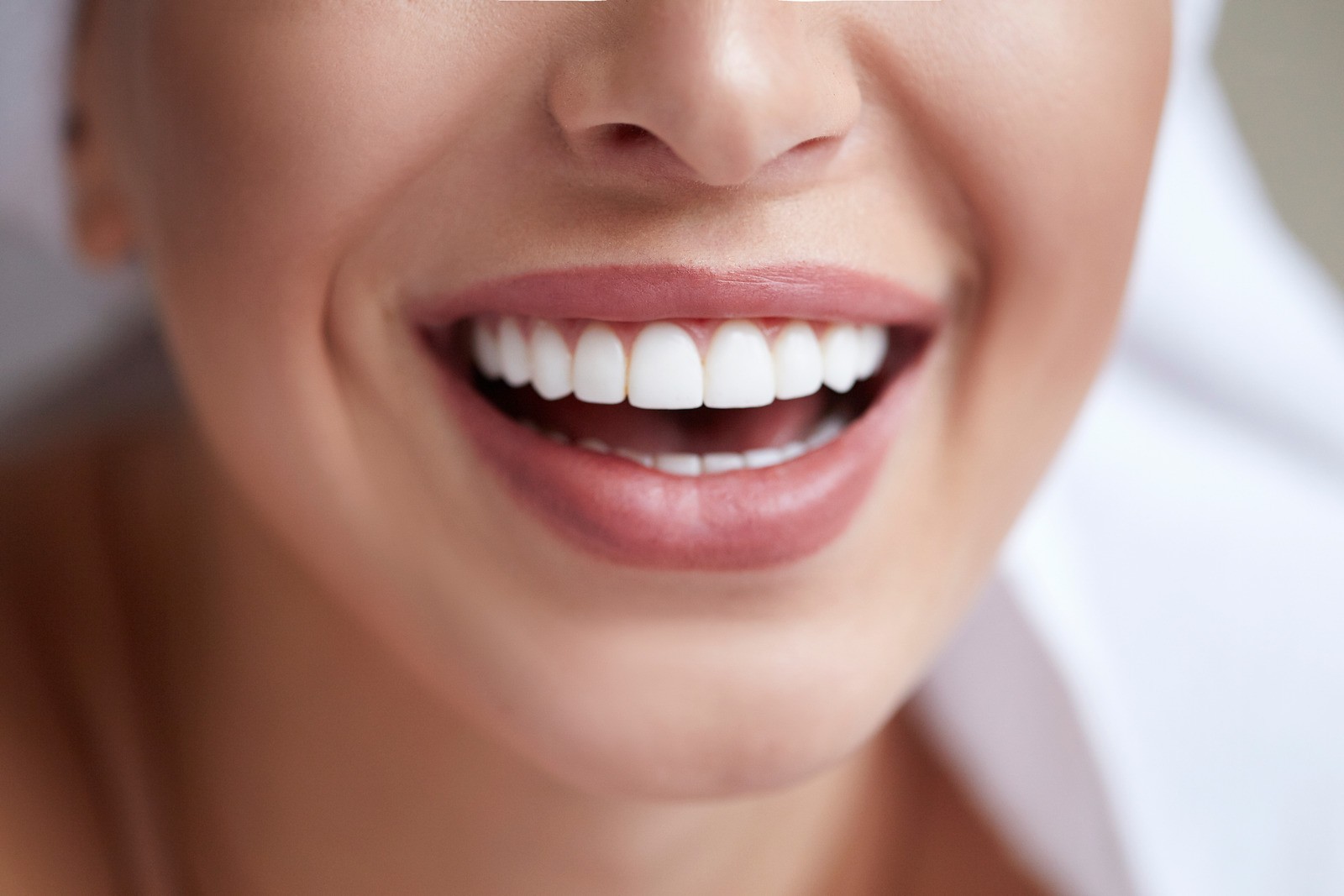
The Engineering Behind Micro-Scale Ceramics
Achieving the Impossible Thinness
The pursuit of an undetectable dental restoration has led to the development of ceramic layers that challenge the very definition of structural integrity. We are talking about materials crafted to be as slender as a contact lens, often hovering around a thickness that is barely visible to the naked eye. This extreme reduction in material bulk is not merely a party trick of dental technicians; it serves a crucial aesthetic purpose. By minimizing the ceramic layer, light is allowed to transmit through the restoration and reflect off the underlying natural tooth structure. This interaction creates a depth and vitality that traditional, thicker crowns or opaque veneers simply cannot replicate.
However, creating something this delicate requires a level of artistry that borders on obsession. The ceramic must be pressed or milled and then hand-layered to mimic the translucency of natural enamel. At this microscopic scale, there is no room for error. A variance of a fraction of a millimeter can result in a restoration that looks bulky and artificial or one that is too fragile to survive the manufacturing process. The goal is to create a "glass-like" shell that becomes one with the tooth, requiring the material to possess high translucency parameters. This design philosophy moves away from masking the tooth entirely and instead focuses on enhancing what is already there, using the natural tooth color as a canvas for the final result.
Understanding Structural Limitations
While the aesthetic potential of these whisper-thin shells is undeniable, their physical properties before they are bonded present a significant paradox. In their unbonded state, these ceramics are incredibly brittle. The flexural strength—the material's ability to resist deformation under load—is significantly compromised when the material is reduced to such extreme thinness. Imagine a pane of glass: when it is thick, it can withstand some handling, but when shaved down to a film, it shatters under the slightest tension. This inherent fragility means that the structural strength of the final restoration relies entirely on the support system beneath it.
Once the ceramic is successfully bonded to the tooth, the physics changes completely. The restoration and the tooth become a monolithic unit, sharing the load. However, the period between fabrication and final cementation is a time of high risk. The ceramic has very little resistance to bending forces. If a patient bites down on an unbonded veneer during a try-in session, or if the technician applies too much pressure while polishing, catastrophic failure is likely. This limitation dictates that these restorations are not suitable for bridging gaps where there is no support underneath, nor are they capable of masking significant underlying structural defects without the risk of cracking. The strength is borrowed, not inherent, making the foundational integrity of the natural tooth paramount.
The Symbiosis Between Tooth and Restoration
The Absolute Necessity of Surface Retention
The longevity and success of ultra-conservative restorations hinge almost entirely on the quality of the bond between the ceramic and the tooth. Unlike traditional crowns that rely on mechanical retention—essentially fitting like a thimble over a prepped stump—these delicate shells have no mechanical grip. They do not snap into place; they must be fused chemically. This brings us to the critical role of the underlying tooth surface. The strongest, most predictable bond in dentistry is the adhesion to enamel.
When a dentist prepares a tooth for this type of restoration, they are often working entirely within the enamel layer. This is vastly different from deeper preparations that expose the softer, moisture-rich dentin. Bonding to dentin is less predictable and degrades faster over time due to hydrolysis. For a piece of ceramic that is less than half a millimeter thick, a compromised bond is a death sentence. If the adhesion fails, the ceramic will detach or fracture immediately under chewing forces. Therefore, the reliance on a healthy, substantial enamel surface is non-negotiable. This requirement acts as a filter for potential cases; if a tooth is already heavily filled or worn down to the dentin, it may not provide the "dry dock" necessary for this specific type of nautical engineering.
| Feature | Standard Veneer Preparation | Ultra-Thin "No-Prep" or Minimal Prep |
|---|---|---|
| Primary Retention Mechanism | Combination of mechanical friction and chemical bonding | Almost exclusively chemical adhesion to the surface |
| Surface Requirement | Can accommodate some exposure of dentin | Requires nearly complete enamel preservation for success |
| Reversibility | Irreversible; tooth structure is permanently removed | Often reversible or minimally invasive |
| Anesthetic Need | Usually requires local anesthesia | Often performed without the need for numbing |
The High Stakes of Manipulation
The journey from the laboratory box to the patient's mouth is perhaps the most nerve-wracking phase of the entire treatment workflow. Because of the aforementioned fragility, the handling sensitivity of these restorations is extreme. The dentist and the assistant must handle the veneers with specialized suction tools or sticky applicators, as the pressure from metal tweezers could easily cause a fracture. The "try-in" phase, where the dentist checks the fit and color before gluing, is a moment of held breath. The pastes used to simulate the final cement color must be fluid enough to not cause hydraulic pressure that could snap the ceramic, yet viscous enough to hold the veneer in place for evaluation.
Furthermore, the cementation process itself is a race against time and chemistry. The cement must be applied in a thin, even layer. If the cement is too thick, it can prevent the veneer from seating fully, creating a raised bite that will eventually break the ceramic. If it is too thin or has voids, the lack of support will lead to cracks. The excess cement must be cleaned away while it is in a gel state; pull it too early, and you pull the cement out of the margin; wait too long, and it becomes rock hard, requiring a drill to remove—risking damage to the delicate ceramic edge. This high-handling sensitivity demands a clinician with a steady hand and a profound understanding of materials science, as the margin for error is effectively zero.
Defining Success and Identifying Risks
Recognizing the Ideal Candidate
Not every smile is a canvas suitable for this specific technique. The boundaries of case indication are strictly defined by the existing anatomy and color of the patient's teeth. Because the material is so thin, it lacks the opacity to hide dark discoloration. If a patient has a "dead" tooth that has turned grey or dark brown, an ultra-thin sheet of translucent ceramic will simply act as a window to that discoloration, resulting in a greyish final appearance. In such cases, a thicker material with more masking ability is required, which necessitates more aggressive tooth reduction.
Additionally, the position of the teeth is a definitive boundary. These restorations are additive by nature. You are adding material to the front of the tooth. Therefore, they are ideal for teeth that are set back, small, or have gaps between them. If a patient has teeth that are already protruding or crowded, adding even a fraction of a millimeter will result in a bulky, "horse-like" appearance that looks unnatural and feels uncomfortable. The ideal candidate is someone looking for volume, length, or a change in shape, rather than a radical change in position or a heavy masking of color. Ignoring these boundaries often leads to bulky profiles that trap food and irritate the lips, turning an aesthetic upgrade into a functional downgrade.
| Scenario | Suitability for Ultra-Thin Design | Reason for Decision |
|---|---|---|
| Severe Tetracycline Staining | Low Suitability | Material is too translucent to mask deep intrinsic stains without looking opaque. |
| Microdontia (Small Teeth/Gaps) | High Suitability | Additive nature fills spaces perfectly without drilling healthy tooth structure. |
| Protruding / Buck Teeth | Low Suitability | Adding material worsens the protrusion; requires orthodontics or reduction first. |
| Eroded Enamel | Medium to Low Suitability | Lack of enamel compromises the essential chemical bond strength. |
The Precision of the Final Edge
The margin—the line where the ceramic ends and the natural tooth begins—is the Achilles' heel of any restoration, but it is particularly precarious with ultra-thin designs. Achieving a seamless transition is vital not just for aesthetics (so you don't see a line) but for the health of the gums. If the transition is not perfectly smooth, it creates a "ledge" or an overhang. This microscopic shelf becomes a haven for plaque and bacteria, leading to chronic gum inflammation or secondary decay.
However, creating this seamless margin with such thin material presents significant risks regarding margin integrity. The technician must taper the ceramic down to a knife-edge that is mere microns thick. This edge is incredibly prone to chipping during the finishing process. Even after successful bonding, if the dentist attempts to polish the margin too aggressively to smooth out the transition, the vibration can cause micro-fractures in the ceramic edge. Over time, these micro-fractures can stain, creating a visible dark line, or propagate into larger cracks. Consequently, the precision required to design, manufacture, and seat these margins without creating a "step" or breaking the delicate edge is the ultimate test of the clinical team's skill. It forces a compromise between making the edge thin enough to be invisible and thick enough to not crumble away.
Q&A
-
What are the key considerations when designing Sub 0.3mm Ceramic materials?
When designing Sub 0.3mm Ceramic materials, it is crucial to consider the material's translucency and color stability to ensure aesthetic compatibility with natural teeth. Additionally, the thickness must be carefully managed to maintain mechanical strength while achieving the desired esthetic outcome.
-
How do Flexural Strength Constraints impact the use of ceramic materials in dentistry?
Flexural Strength Constraints are vital in determining the durability and longevity of ceramic restorations. A higher flexural strength implies that the ceramic can withstand greater stress, reducing the risk of fracture under the forces of mastication. Therefore, selecting a ceramic with appropriate flexural strength is essential for the success of dental restorations.
-
Why is Enamel Bond Reliance important in ceramic dental restorations?
Enamel Bond Reliance is critical because the strength and durability of a ceramic restoration are highly dependent on the quality of the bond between the ceramic and the tooth enamel. A strong bond ensures stability, reduces microleakage, and enhances the overall longevity of the restoration.
-
What are the Case Indication Boundaries for using ceramic restorations?
Case Indication Boundaries refer to the specific clinical scenarios where ceramic restorations are recommended or contraindicated. Factors such as the patient's occlusion, the location of the restoration, and the presence of parafunctional habits like bruxism must be evaluated to determine the suitability of ceramic restorations in each case.
-
How can Margin Integrity Risks be mitigated in ceramic dental restorations?
To mitigate Margin Integrity Risks, it is essential to ensure precise tooth preparation and accurate impression-taking to achieve a proper fit. Using high-quality materials and adhering to meticulous fabrication and cementation protocols also contribute to maintaining the integrity of the margins, thereby preventing marginal leakage and secondary caries.
-
What are the Handling Sensitivity considerations for dentists working with ceramic materials?
Handling Sensitivity in ceramics involves careful manipulation to avoid damaging the fragile material. Dentists must employ techniques that minimize stress on the ceramic during preparation, adjustment, and placement to prevent chipping or fracture, ensuring the success of the restoration.