
Integrating Ceramic Techniques and Quality Control in Veneer Production
In the realm of crafting aesthetic smiles, the creation of dental veneers stands as a true blend of artistry and precision. Through meticulous blending of advanced digital tools and traditional techniques, experts achieve remarkably natural results, revolutionizing what we know about the creation of restorative dental prosthetics.
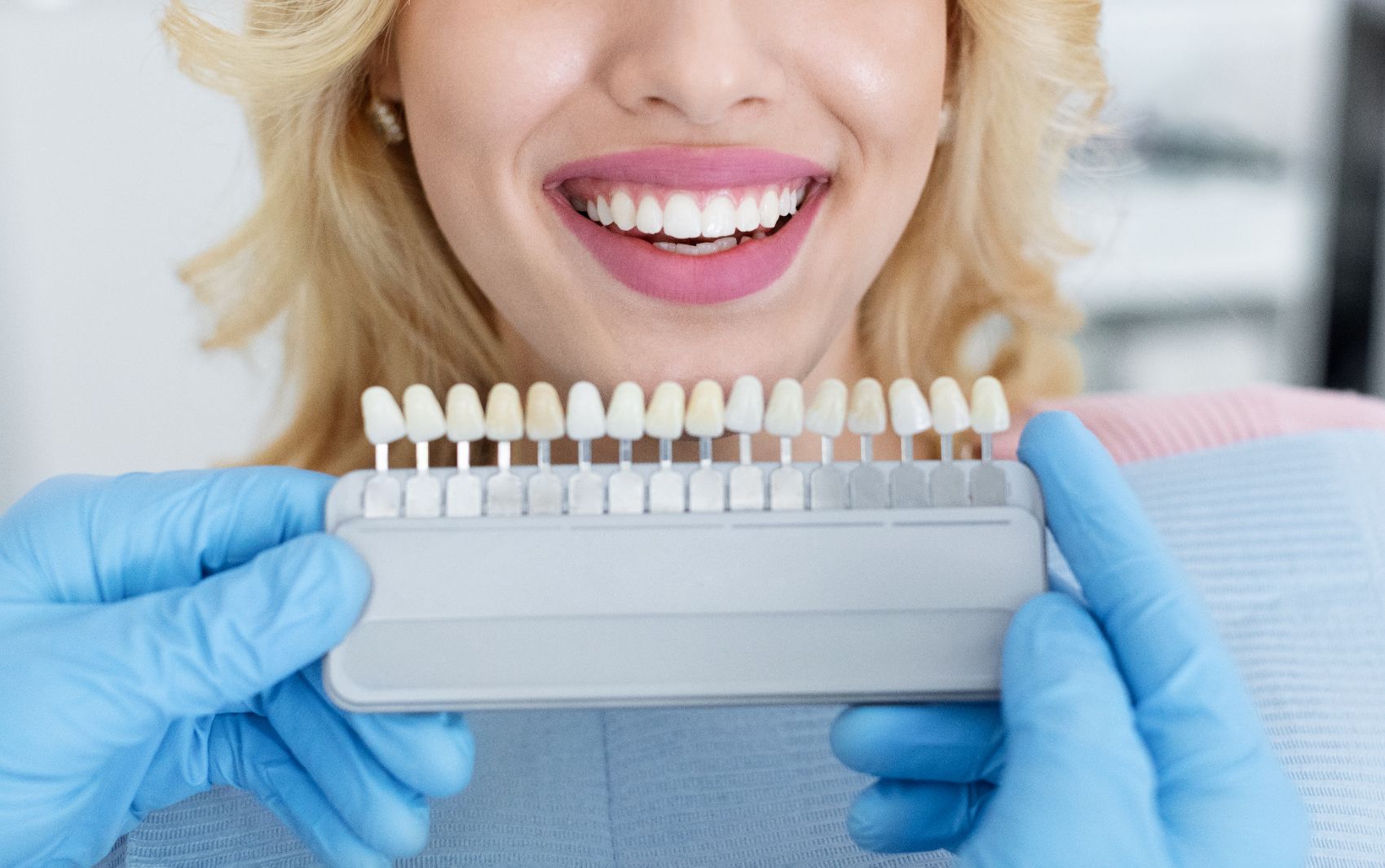
The Digital Evolution of Dental Prosthetics
Revolutionizing Precision Through Subtractive Manufacturing
The landscape of dental technology is undergoing a quiet but profound transformation, shifting away from labor-intensive manual processes toward sophisticated computer-controlled ecosystems. At the heart of this shift is the widespread adoption of high-strength ceramic discs and advanced milling systems. Unlike traditional methods that relied heavily on the variable consistency of hand-mixed materials, modern laboratories utilize dense, industrial-grade ceramic blocks. These materials are processed using subtractive manufacturing, where a machine carves the veneer with extreme fidelity based on a digital file.
This transition does more than just speed up production; it fundamentally alters the structural integrity of the prosthesis. By milling from a pre-manufactured block, the material is free from the microscopic voids and inconsistencies often introduced during manual layering or pressing. This results in veneers that can be milled to incredibly thin dimensions while maintaining superior durability. Consequently, the margin for error—once a significant challenge in manual craftsmanship—is drastically reduced. This technological leap ensures that the aesthetic and functional outcomes are not only superior but also consistent, providing a reliable standard of care that was previously difficult to guarantee across every single case.
Virtual Simulation and Workflow Optimization
A distinct advantage of the contemporary digital workflow is the ability to conduct exhaustive simulations before a physical tool ever touches the ceramic material. Advanced modeling software allows technicians to render the final result in three dimensions, enabling a thorough inspection of morphology, thickness, and occlusion. This "digital twin" approach serves as a critical checkpoint, allowing for the refinement of minute details that might be overlooked in a physical model. It transforms the design phase from a reactive process of correction to a proactive process of perfection.
Beyond the technical benefits, this virtualization has significant implications for efficiency and sustainability. By finalizing prototypes in a digital environment, laboratories significantly reduce the need for multiple physical try-ins and remakes. This reduction in material waste and physical labor streamlines the production timeline, allowing for faster delivery without compromising quality. The process has evolved into an eco-friendlier, agile workflow where the ideal shape is achieved through pixel-perfect manipulation, ensuring that the physical milling is merely the final confirmation of a rigorously tested digital design.
The Science of Structural Integrity and Thermal Processing
The Invisible Art of Internal Adaptation
While the outer surface of a veneer captures the patient's attention, the longevity of the restoration is dictated by a feature invisible to the naked eye: the internal adaptation. This interface, often referred to as the cement space, represents the microscopic zone between the natural tooth structure and the ceramic shell. Modern prosthodontics demands that this gap be controlled within a range of approximately 100 microns or less. Achieving this level of accuracy is akin to a "delicate dance" at the microscopic level; a gap that is too wide invites bacterial infiltration and secondary decay, while a fit that is too tight prevents proper seating and induces stress that can lead to fractures.
Digital scanning and milling have become indispensable in managing this critical parameter. Unlike analog casting, which is subject to the expansion and contraction of wax and investment materials, digital algorithms calculate the exact cement spacer required for optimal adhesion. However, the machine cannot work alone. The final "suction-like" fit is often achieved through a hybrid approach where skilled technicians perform microscopic adjustments to the milled output. This ensures that the marginal seal is seamless, protecting the underlying tooth and ensuring the restoration functions as a cohesive unit with the biological structure.
| Feature | Digital Fabrication Approach | Traditional Analog Approach |
|---|---|---|
| Material Consistency | High; utilizes pre-sintered industrial blocks with no internal voids. | Variable; dependent on manual mixing and casting consistency. |
| Fit Accuracy | Consistent micron-level precision controlled by software algorithms. | Subject to expansion/contraction factors of wax and investment materials. |
| Production Speed | Rapid; simultaneous design and milling capabilities. | Slower; requires multiple distinct physical steps (waxing, investing, pressing). |
| Waste Management | Low; subtractive process generates recyclable waste. | Moderate to High; excess investment and casting materials are often discarded. |
| Reproducibility | Exact replication possible from saved digital files. | Difficult to replicate exactly if a remake is required. |
Mastering Thermal Transformation Cycles
The journey from a milled state to a functional veneer involves a complex thermal process known as crystallization. This is not merely a method of hardening the material but a sophisticated chemical reaction that alters the physical properties of the ceramic. Within the furnace, strict temperature management is paramount. The rate of temperature climb, the holding time at the peak temperature, and the specific cooling trajectory are all variables that determine the final strength and optical properties of the veneer. It is during this firing cycle that the material transitions from a fragile, chalk-like state into a robust, glass-ceramic structure.
Crucially, the growth of crystals within the ceramic matrix must be carefully regulated. If the crystal growth is insufficient, the veneer will lack the necessary toughness to survive in the oral environment. Conversely, over-crystallization can lead to an opaque, lifeless appearance that lacks the translucency of natural enamel. Technicians must balance these factors, adjusting firing parameters based on the specific thickness and type of ceramic used. Furthermore, the cooling phase is managed to prevent thermal shock, slowly releasing internal stresses to ensure the molecular structure is stable and crack-free. This scientific mastery of heat and chemistry is what ultimately grants the veneer its durability.
Aesthetics, Texture, and Rigorous Quality Control
Replicating the Micro-Geography of Enamel
The visual success of a veneer relies heavily on how it interacts with light, a property largely determined by surface texture. While modern materials like zirconia and lithium disilicate offer immense strength, they can appear artificial if left smooth. Natural teeth are not perfectly flat; they possess a "micro-geography" of ridges, lobes, and stippling that scatters light. To replicate this, laboratories employ a combination of precision milling and hand-finishing. The milling machine establishes the primary anatomy, but it is the technician’s artistry that introduces the subtle irregularities found in nature.
This texturing process serves a dual purpose. Aesthetically, it breaks up light reflection, preventing the "chiclet" look often associated with lower-quality prosthetics. Functionally, creating a micro-textured surface increases the surface area for bonding. By treating the intaglio (internal) surface and the exterior with specific protocols, the bond strength between the ceramic and the luting agent is significantly enhanced. This structural consideration ensures that the veneer effectively becomes part of the tooth, distributing bite forces evenly and resisting the shear stresses of daily chewing.
Integrating Safety Protocols and Traceability
In the modern dental laboratory, the romantic notion of the solitary artist has been augmented by the rigorous discipline of medical device manufacturing. Because veneers are permanent medical implants, they are subject to stringent regulatory standards. Quality control is no longer a final quick look but a comprehensive system of checks and balances woven into every stage of production. Traceability is a key component of this system; every material used is tracked by lot number, ensuring that the lineage of the veneer—from the raw ceramic disc to the final glaze—is documented and verifiable.
This shift toward industrial-level quality assurance requires technicians to possess a hybrid skill set, merging artistic intuition with engineering discipline. Verification tools, such as high-magnification microscopes and digital measuring devices, are used to validate that the internal fit meets the specific micron tolerance required for safety. These protocols prevent issues such as debonding or tissue irritation caused by poor marginal integrity. Ultimately, the beauty of the final smile is supported by this invisible framework of safety checks, ensuring that the patient receives a restoration that is not only visually stunning but also biologically safe and mechanically sound.
| Quality Control Phase | Objective & Inspection Criteria |
|---|---|
| Data Verification | Confirming scan data integrity and verifying absence of distortions in the virtual model before design begins. |
| Milling Inspection | Checking the milled prototype for margin chipping, material thickness, and structural micro-cracks immediately after cutting. |
| Fit Assessment | Verifying the internal gap (cement space) and marginal seal using microscopic magnification on printed or stone models. |
| Aesthetic Review | Evaluating shade accuracy, translucency gradients, and surface texture under color-corrected lighting to match the patient's natural dentition. |
| Final Safety Check | Ensuring the ceramic surface is properly glazed and polished to prevent abrasion of opposing teeth and verifying material traceability. |
The Human Touch in a Digital Age
Despite the heavy reliance on automation and data, the "human touch" remains the defining factor in premium veneer fabrication. Machines excel at the heavy lifting—calculating stress points, ensuring uniform thickness, and milling tough materials—but they lack the nuance to perceive the subtle interplay of light and personality. The final adjustments, the "kiss" of a diamond bur to soften an edge, or the delicate application of a stain to mimic a natural characteristic, are decisions made by the human eye.
This synthesis of digital reliability and analog artistry represents the current pinnacle of dental technology. It allows for a workflow where the structural foundation is guaranteed by data, while the aesthetic soul of the prosthesis is breathed in by the technician. As the industry moves forward, this collaboration between operator and machine continues to refine the standard of care, proving that in the pursuit of the perfect smile, technology is the tool, but the technician is the visionary.
Q&A
-
What are ceramic layering techniques, and how do they impact dental restorations?
Ceramic layering techniques involve the process of applying layers of ceramic materials to create dental restorations such as crowns and veneers. These techniques significantly impact the esthetics and strength of the restoration. By carefully layering different shades and translucencies of ceramic, dental technicians can mimic the natural appearance of teeth, ensuring a more lifelike and appealing result. Moreover, proper layering can enhance the structural integrity of the restoration, improving its longevity and performance in the oral environment.
-
How does CAD CAM milling precision affect the quality of dental prosthetics?
CAD CAM milling precision is crucial for the accuracy and fit of dental prosthetics. High precision in milling ensures that the fabricated restorations fit the patient's dental structure perfectly, minimizing the need for adjustments and reducing chair time. Precise milling contributes to the longevity of the prosthetic by ensuring even distribution of stress and preventing premature wear or failure. Additionally, precision milling enhances the esthetic outcome, providing smooth and natural-looking surfaces.
-
What is the significance of crystallization firing cycles in the fabrication of ceramic restorations?
Crystallization firing cycles are essential in the fabrication of ceramic restorations as they determine the final physical properties of the ceramic material. During this process, the ceramic is subjected to specific temperatures to initiate crystallization, which enhances the material's strength and translucency. Properly controlled firing cycles ensure that the ceramic attains the desired aesthetic qualities and mechanical properties, such as resistance to wear and fracture, which are critical for the durability and functionality of dental restorations.
-
How does surface texture replication contribute to the success of dental restorations?
Surface texture replication is vital for the success of dental restorations as it ensures that the artificial restoration closely mimics the natural tooth surface. This involves replicating the micro-textures and glossiness of natural teeth, which are crucial for esthetics and function. Accurate replication of surface texture helps in achieving a natural look, enhancing patient satisfaction, and ensuring proper interaction with the surrounding oral environment. It also plays a role in reducing plaque accumulation, contributing to oral health.
-
Why is internal fit accuracy important in dental restorations, and how is it achieved?
Internal fit accuracy is important in dental restorations to ensure a snug and proper fit between the restoration and the prepared tooth. This accuracy is crucial for preventing microleakage, which can lead to decay and compromise the longevity of the restoration. Achieving internal fit accuracy involves precise digital design and manufacturing processes, including the use of advanced CAD CAM systems. Quality control protocols, such as checking the fit with digital or physical models, are also employed to ensure that the final restoration meets the required standards for function and comfort.