
Building Bright Smiles: A Comprehensive Approach to Preventive Pediatric Dentistry
In the journey of nurturing healthy smiles for children, the essentials go beyond daily habits to encompass a variety of practices tailored to youthful needs. Prioritizing early interventions, considered holistically, sets a foundation for lifelong oral wellness and fosters habits that grow resilient smiles.
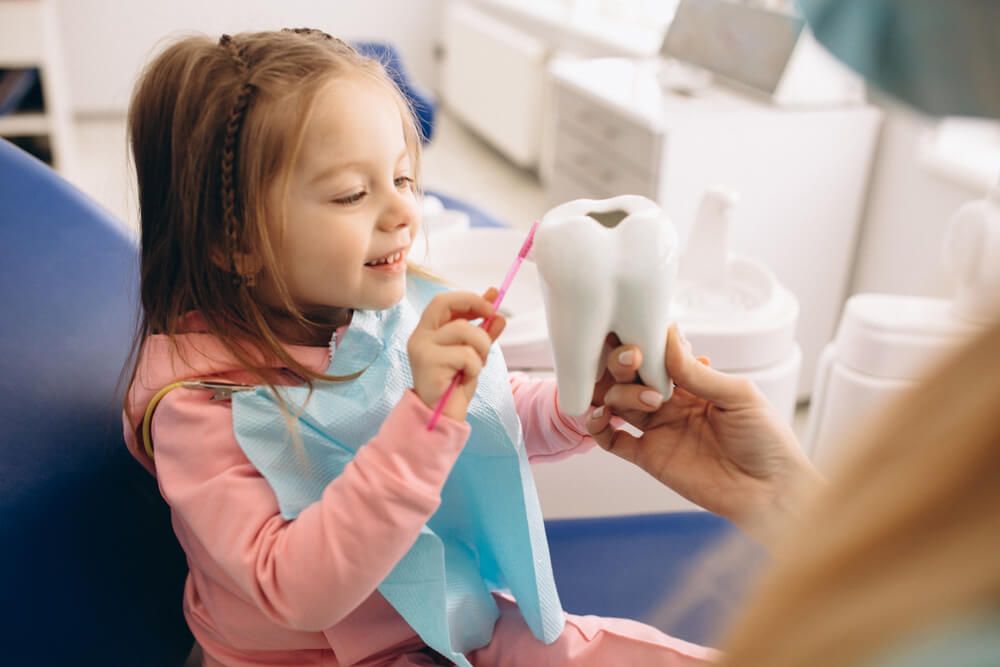
Shielding Vulnerable Surfaces from Decay
The Protective Power of Physical Barriers
The anatomy of a child's tooth is a landscape of peaks and valleys. The back teeth, or molars, are characterized by intricate, deep grooves on their chewing surfaces. These fissures are often narrower than a single bristle of a toothbrush, making them physically impossible to clean thoroughly during a standard brushing session. Consequently, these microscopic canyons become safe havens for food particles and bacterial plaque, significantly increasing the risk of cavities. This vulnerability is particularly acute in newly erupted permanent teeth, which often have deeper grooves and slightly softer enamel than mature adult teeth. To counter this structural susceptibility, dental professionals utilize a highly effective preventive measure known as sealing.
This procedure involves applying a thin, protective coating made of a dental-grade plastic resin directly onto the chewing surfaces of the back teeth. The concept acts as a physical shield, filling in the deep pits and fissures to create a smooth, easy-to-clean surface. By leveling out the terrain of the tooth, the sealant prevents bacteria and food debris from settling into the crevices, effectively blocking the entry points where decay most commonly starts. It acts much like a raincoat for the tooth, keeping the damaging elements away from the enamel. The application process is entirely non-invasive and painless, requiring no drilling or removal of tooth structure, which helps preserve the natural integrity of the tooth while reinforcing its defenses.
Timing is a crucial factor in maximizing the effectiveness of this protective layer. The ideal window for application is shortly after the permanent molars have fully emerged through the gum line. At this stage, the tooth is pristine and free from decay, yet it is also at its most vulnerable due to the ongoing maturation of the enamel. By sealing the tooth immediately, we secure its health before decay has a chance to initiate. While these barriers are durable and can withstand the immense forces of chewing, they are not permanent. Regular dental check-ups allow professionals to monitor their condition and reapply them if chipped or worn, ensuring that the child’s teeth remain guarded throughout their most cavity-prone years. This simple intervention can mean the difference between a childhood full of fillings and one defined by a pristine, cavity-free smile.
Strengthening Enamel from the Outside In
Professional Mineral Application for Resilience
While physical barriers protect the biting surfaces, the overall strength of the tooth structure relies heavily on the quality of the enamel. In young children, both primary and developing permanent teeth have enamel that is more porous and less mineralized than that of an adult. This makes them highly susceptible to acid attacks from bacteria and sugary foods. To combat this, dental professionals employ a concentrated topical treatment that significantly outperforms standard home-care products in terms of protection. This treatment, often applied as a varnish, delivers a potent dose of essential minerals directly to the tooth surface, initiating a powerful strengthening process.
The primary mechanism at work here is remineralization. Every time a child eats, the acids produced by bacteria begin to dissolve the minerals in the enamel, a process called demineralization. Saliva naturally works to replace these minerals, but often the acid attack is too strong or frequent for natural repair to keep up. The professional varnish acts as a reservoir of fluoride ions, which are absorbed into the crystalline structure of the enamel. This absorption not only repairs the microscopic damage caused by early acid attacks but also chemically alters the enamel to create fluorapatite, a substance that is significantly more resistant to acid than the original tooth structure. Effectively, this turns the tooth’s outer layer into a harder, more resilient shell.
The application process is designed with the pediatric patient in mind. Unlike older methods that required bulky trays and long wait times, modern varnish is painted quickly onto the teeth using a small brush. It adheres immediately, even in the presence of saliva, meaning the child does not need to sit perfectly still with a dry mouth for extended periods. This makes it an ideal solution for toddlers or active children who may struggle with impulse control in a medical setting. Once applied, the varnish continues to release strengthening minerals over several hours. Because it sets on contact, the risk of swallowing the product is minimized, making it a safe and highly effective tool in the preventive arsenal. By incorporating this treatment into regular visits, parents are actively investing in the structural integrity of their children's teeth.
Transforming Daily Routines into Play
Gamification and Sensory Engagement
For many children, the requirement to stand still in front of a bathroom mirror and keep their mouth open feels like an eternity of boredom. This perception often leads to resistance, making the morning and evening routine a source of stress rather than hygiene. To overcome this, parents can reframe the experience by shifting the focus from "hygiene obligation" to "interactive play." Engaging the senses through auditory and visual stimulation is one of the most effective ways to alter a child's perception of time and effort. Using music is a prime example; playing a favorite upbeat song that lasts exactly two minutes creates a natural timer that is enjoyable rather than restrictive. The rule becomes simple: keep brushing until the music stops.
Beyond music, introducing narrative elements can turn the toothbrush into a hero's tool. Parents can create a story where the child is a superhero fighting off "sugar bugs" or "cavity monsters." Narrating the process—"Oh, I see a sneaky one hiding behind that back molar, let's get him!"—keeps the child’s attention focused on the task while adding a layer of excitement. Sand timers or colorful apps that reveal a picture as the child brushes also provide immediate visual feedback. These tools give children a clear goal and a sense of progress, transforming an abstract concept of "cleanliness" into a concrete, achievable victory.
| Strategy | Core Benefit | Ideal For |
|---|---|---|
| Musical Timer | Shifts focus from boredom to rhythm; ensures full 2-minute duration. | Children who rush through brushing or dislike silence. |
| Storytelling/Roleplay | Reduces anxiety; turns the toothbrush into a "tool" for a mission. | Imaginative children or those resistant to the sensation of brushing. |
| Sticker Charts | Provides visual confirmation of success; builds long-term consistency. | Goal-oriented children who respond well to tangible rewards. |
| Mirroring/Copycat | Teaches technique through observation; creates a bonding experience. | Toddlers who want to imitate adult behaviors. |
Fostering Autonomy through Role Reversal
As children grow, they naturally seek independence and control over their environment. Preventive dentistry at home can leverage this developmental stage by allowing the child to take the lead occasionally. A powerful psychological tactic is role reversal. Parents can invite their child to brush the parent's teeth, or the teeth of a favorite waterproof doll or stuffed animal. When a child acts as the "dentist" or the caregiver, they gain a sense of responsibility and confidence. This play-acting demystifies the process and allows them to observe the mechanics of brushing from a different perspective, reducing fear and resistance when it is their turn to be brushed.
Another key aspect of fostering autonomy is involving the child in the selection of their tools. While parents should ensure the quality of the products, allowing a child to choose their own toothbrush—whether it features a favorite cartoon character, a specific color, or a flashing light—can significantly boost their willingness to use it. The toothbrush becomes a prized possession they selected rather than a tool imposed upon them. Furthermore, implementing a visual reward system, such as a calendar where they place a sticker after every successful session, provides a sense of accomplishment. The accumulation of stickers serves as tangible proof of their hard work, reinforcing the positive habit through dopamine-driven rewards rather than parental coercion.
Nutritional Defense and Uncovering Blind Spots
Eating for Structural Integrity
Dietary choices are the cornerstone of oral health, acting as the internal defense system for a child's mouth. While most parents are aware that sugar is the enemy, the nuance often lies in the frequency of consumption rather than just the quantity. Every time a child consumes fermentable carbohydrates—whether from candy, crackers, or juice—the bacteria in the mouth produce acid that attacks the enamel for upwards of twenty minutes. If a child snacks continuously throughout the day, the pH level in the mouth never has a chance to neutralize, leaving the teeth in a constant state of acid erosion. Therefore, structuring meal and snack times is a critical preventive strategy. Establishing clear windows for eating allows saliva, the mouth’s natural buffering agent, to wash away acids and remineralize the teeth between meals.
Beyond limiting sugar frequency, proactive nutrition involves choosing foods that actively support dental health. Calcium-rich foods like cheese, yogurt, and leafy greens provide the building blocks necessary to maintain strong enamel. Interestingly, the texture of food plays a role as well. Crunchy, fibrous fruits and vegetables like apples, carrots, and celery act as natural "scrubbers." Chewing these foods stimulates a robust flow of saliva, which helps rinse away food particles and neutralize acidity. Replacing sticky snacks, which cling to the grooves of the teeth for hours, with these detergent-like foods can drastically reduce the risk of decay.
| Snack Category | Impact on Oral Health | Recommended Action |
|---|---|---|
| Sticky Sweets (Gummies, dried fruit) | High Risk: Clings to teeth, prolonging acid attack. | Avoid as standalone snacks; consume only with main meals. |
| Starchy Carbs (Crackers, chips) | Moderate Risk: Breaks down into sugar; gets stuck in molars. | Follow with water or crunchy veggies to dislodge particles. |
| Dairy (Cheese, plain yogurt) | Protective: Rich in calcium/phosphates; neutralizes mouth acid. | Ideal finish to a meal or a safe between-meal snack. |
| Fibrous Produce (Apples, celery) | Cleansing: Stimulates saliva; mechanically cleans surfaces. | Encourage as a "nature's toothbrush" after lunch or school. |
Visualizing Hygiene and Liquid Solutions
Even with the best brushing habits, the anatomy of a child’s mouth contains "blind spots" that are notoriously difficult to clean. The spaces between tight contacts and the gum line often harbor invisible plaque that manual brushing misses. To bridge the gap between perceived cleanliness and actual hygiene, parents can utilize disclosing agents. These represent a fun, scientific experiment for kids: chewable tablets turn old plaque one color (often blue) and new plaque another (often red). This visual aid instantly highlights the areas the child is missing, turning abstract advice ("brush better in the back") into concrete, visual evidence. It gamifies the correction process, challenging the child to brush until all the color is gone.
In addition to visual aids, liquid therapeutic agents play a vital role in cleaning the "nooks and crannies." Rinsing is an often-overlooked step in pediatric care. For younger children, simply swishing vigorously with water after meals can dislodge significant amounts of food debris. As children age and gain the ability to spit effectively, introducing an age-appropriate antibacterial rinse can help reduce the overall bacterial load in the mouth. These rinses can penetrate between teeth and below the gumline where bristles cannot reach, offering a chemical cleanse that complements mechanical brushing. This "rinse and reveal" approach ensures a comprehensive clean that targets the entire oral cavity, not just the easy-to-reach surfaces.
Cultivating Lifelong Wellness through Education
The Role of Family and Professional Guidance
The ultimate goal of preventive pediatric dentistry is not merely to avoid cavities in childhood, but to instill a value system regarding health that lasts a lifetime. Education is the vehicle for this transformation. Children are remarkably perceptive; they do not just listen to instructions, they emulate behaviors. Consequently, oral health must be a family affair. When parents prioritize their own dental care and engage in brushing as a shared family activity, it validates the importance of the habit. It shifts the narrative from a "chore for kids" to a "standard of self-care for everyone." Positive reinforcement from parents—praising the effort of brushing rather than just the result—builds self-efficacy and resilience.
Professional guidance reinforces this home education. The dental office should be positioned not as a place of treatment and pain, but as a wellness center where "tooth teachers" help keep smiles strong. Regular visits allow professionals to provide age-appropriate education, explaining the "why" behind the "how" in terms a child can understand. When a child understands that sugar creates acid and brushing strengthens their "shield," they are more likely to make healthy choices independently. By integrating professional oversight with consistent, positive home support, we empower children to take ownership of their oral health, ensuring their smiles remain bright well into adulthood.
Q&A
-
What is the purpose of Dental Sealant Application?
Dental sealant application is primarily used to prevent tooth decay. Sealants are thin, protective coatings applied to the chewing surfaces of the back teeth (molars) where decay occurs most often. This is particularly beneficial for children and teenagers who are at higher risk of cavities.
-
How does Fluoride Varnish Treatment benefit dental health?
Fluoride varnish treatments strengthen the tooth enamel, making it more resistant to decay. This treatment involves applying a concentrated form of fluoride directly to the teeth, which helps in the remineralization process and can reverse early signs of tooth decay.
-
What should be included in Oral Hygiene Instruction for Kids?
Oral hygiene instruction for kids should include proper brushing techniques, the importance of flossing, and the role of a balanced diet in maintaining oral health. It should also encourage kids to develop a routine of brushing twice a day and visiting the dentist regularly for check-ups.
-
Why is Nutritional Counseling important in dental care?
Nutritional counseling is essential in dental care because diet plays a significant role in oral health. Counselors can guide patients on foods that promote healthy teeth and gums, such as those rich in calcium and vitamin D, and advise on limiting sugary snacks that increase the risk of cavities.
-
How do Antibacterial Mouth Rinses and Plaque Disclosing Tablets work together?
Antibacterial mouth rinses help reduce the bacteria in the mouth that contribute to plaque and gum disease. Plaque disclosing tablets can be used to visualize areas where plaque is accumulating, making it easier to focus on these spots during brushing. Together, they provide a comprehensive approach to maintaining oral hygiene.