
The Evolving Role of Dentists in Tackling Sleep Apnea
In recent years, the focus on easing nighttime disruptions has shifted towards innovative solutions that go beyond traditional approaches. Pioneering dental interventions have emerged, quietly revolutionizing how individuals achieve peaceful slumber. These advancements offer promising alternatives to conventional methods, sparking hope for those seeking restful nights unobstructed by common disturbances.
The Quiet Revolution in Nighttime Recovery
Rethinking the Mechanics of Rest
For decades, the standard response to nighttime breathing difficulties involved a mask, a hose, and a machine pumping air. While effective, this method is not universally tolerated. This has paved the way for a paradigm shift toward oral appliance therapy, a solution that looks deceptively simple but is engineered with sophisticated medical intent. Resembling the protective mouthguards worn by athletes, these devices operate on a fundamental anatomical principle: airway patency through structural alignment. By subtly positioning the lower jaw forward, the device leverages the body’s own physiology to keep the throat open.
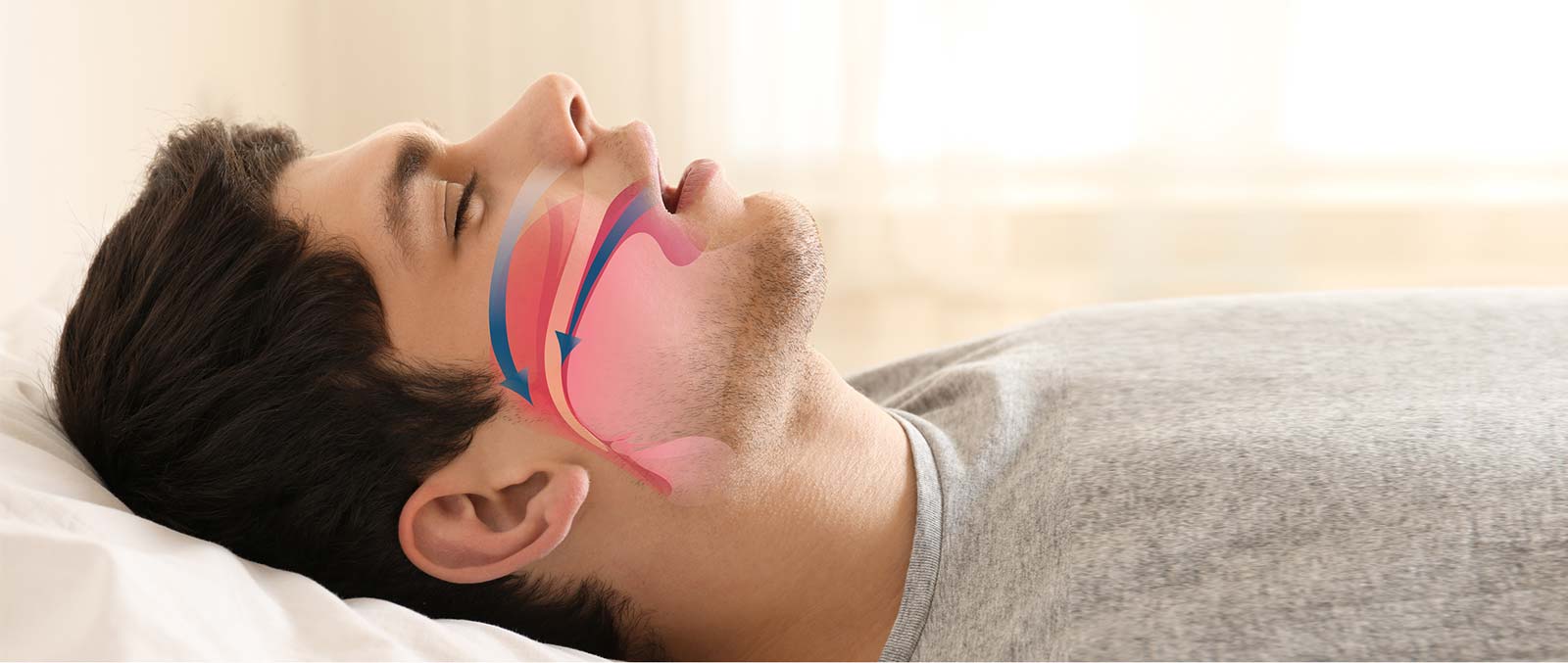
The science behind this is rooted in managing the collapse of soft tissues. When we sleep, particularly on our backs, gravity and muscle relaxation can cause the tongue and surrounding tissues to fall backward, narrowing the passage for air. This restriction creates the turbulence we hear as snoring and the blockages that interrupt breathing. A Mandibular Advancement Device (MAD) acts as a mechanical splint, holding the jaw in a slightly protruded position. This tension prevents the tongue from collapsing into the airway, effectively maintaining a clear channel for oxygen without the need for forced air pressure.
This approach is particularly compelling because it addresses the physical source of the obstruction directly. Rather than blowing air through a collapsed tube, it widens the tube itself. For patients who feel claustrophobic in masks or struggle with dry mouths from air leaks, this physical adjustment offers a refreshing sense of freedom. It transforms the bedroom environment from a medicalized space back into a sanctuary for rest, proving that the most effective solutions are often those that work in harmony with human anatomy rather than trying to overpower it.
| Feature | Traditional Mask Therapy (CPAP) | Modern Dental Solution (Oral Appliance) |
|---|---|---|
| Primary Mechanism | Pneumatic splint (air pressure) | Mechanical splint (jaw positioning) |
| Power Requirement | Requires electricity/battery | None (Passive device) |
| Portability | Bulky, requires carrying case | Pocket-sized, highly travel-friendly |
| Noise Level | Motor hum and airflow sounds | Completely silent |
| Maintenance | Cleaning hoses, masks, and filters | Simple brushing and rinsing |
The Dentist’s New Role in Systemic Health
Collaborative Care and Hybrid Treatments
The public perception of dentistry is rapidly expanding beyond fillings and gum care. In the realm of sleep medicine, dentists are emerging as critical members of a multidisciplinary team, often referred to as "Sleep Guardians." The modern clinical approach is no longer siloed; instead, it involves a seamless collaboration between sleep physicians, surgeons, and dental experts. This team-based strategy is particularly vital when addressing complex cases where a single modality falls short. We are seeing a rise in "hybrid" therapies, where surgical interventions are combined with dental devices to maximize efficacy.
For instance, a patient might undergo a minor procedure to reduce nasal resistance or stiffen the soft palate, which then allows for a much more effective use of a dental device. Previously, if a patient failed an Overnight Sleep Study with a mask, they were often left with few options. Now, the integration of these fields allows for a layered defense. A surgeon might clear the initial anatomical hurdles, while the dentist designs a device to maintain that openness throughout the night. This synergy often results in success rates significantly higher than either treatment could achieve in isolation.
Furthermore, dentists are uniquely positioned to spot the early warning signs of sleep disorders during routine checkups. The condition of the soft palate, the size of the tongue, and even the wear patterns on teeth (often caused by grinding associated with apneas) provide clues that a general practitioner might miss. By acting as the first line of defense, dentists can refer patients for an Airway Obstruction Assessment sooner, bridging the gap between oral health and systemic well-being. This holistic view acknowledges that the mouth is not just for eating, but is the gateway to the respiratory system and, by extension, cardiovascular health.
Precision Fitting and Personalization
A critical distinction must be made between over-the-counter "boil-and-bite" guards and professional medical devices. The effectiveness of dental sleep medicine relies heavily on precision. Every millimeter matters. A device that advances the jaw too far can cause temporomandibular joint (TMJ) pain or shift the bite permanently, while one that doesn't advance it enough will fail to prevent airway collapse. This is why professional Titration Protocols—the process of gradually adjusting the device to find the "sweet spot"—are essential.
Professional devices are fabricated based on 3D digital impressions and a deep understanding of the patient's unique craniofacial structure. Dentists consider the range of motion of the jaw, the health of the supporting teeth, and the specific nature of the obstruction. This level of customization ensures that the device is comfortable enough to be worn all night, every night. Comfort is the biggest predictor of compliance; if a device causes drooling, gagging, or tooth pain, it will eventually be abandoned.
The customization process also allows for design flexibility. For patients who breathe through their mouths or have specific dental restorations, the device can be engineered to accommodate these factors. This bespoke approach transforms the device from a generic piece of plastic into a medical instrument. It ensures that the forces applied to the teeth and jaw are safe and distributed evenly, protecting the patient's long-term oral health while securing their airway.
Integrating Technology for Mental Ease
Beyond the Device: Digital Support
The physical obstruction of the airway is often only half the battle. Many patients suffering from sleep disordered breathing also grapple with the psychological fallout: anxiety about sleep, fear of suffocation, and the stress of chronic fatigue. Recognizing this, the latest trends in treatment pair physical CPAP Alternatives with digital health solutions. We are seeing a surge in the use of cognitive behavioral therapy (CBT) apps designed to work alongside physical treatments to address the "software" of sleep—the mind.
These digital tools help patients reframe their relationship with sleep. While the dental device keeps the airway open, the app might guide the user through relaxation techniques or help track sleep metrics to visualize progress. This data-driven approach is empowering. Seeing a tangible reduction in disturbances or an increase in deep sleep cycles can reinforce the motivation to wear the device. It moves the patient from a passive recipient of care to an active participant in their recovery.
Furthermore, this "hardware and software" combination represents a holistic evolution in medical care. Just as cardiac care has moved toward less invasive monitoring, sleep medicine is embracing a model that respects the patient's comfort and mental state. By addressing the physical blockage with a custom dental device and the mental burden with supportive technology, providers are weaving a safety net that allows patients to let go of their vigilance and drift into a truly restorative sleep.
Q&A
-
What is a Mandibular Advancement Device (MAD) and how does it work?
A Mandibular Advancement Device (MAD) is a custom-fitted oral appliance designed to treat sleep-related breathing disorders, such as snoring and obstructive sleep apnea (OSA). It works by gently repositioning the lower jaw (mandible) forward, which helps to keep the airway open during sleep. By doing so, it reduces airway obstruction and minimizes snoring.
-
How is Airway Obstruction Assessment conducted for sleep disorders?
Airway Obstruction Assessment for sleep disorders typically involves a combination of physical examinations, patient history analysis, and sometimes imaging studies. The assessment aims to identify the location and severity of any obstructions in the airway that may be contributing to sleep disturbances such as snoring or sleep apnea. Tools like polysomnography during an overnight sleep study can also help in evaluating airway obstruction.
-
Are there effective alternatives to CPAP for treating obstructive sleep apnea?
Yes, there are several alternatives to Continuous Positive Airway Pressure (CPAP) for treating obstructive sleep apnea. These include Mandibular Advancement Devices (MADs), positional therapy, lifestyle changes such as weight loss and exercise, and surgical interventions. Each alternative has its own benefits and suitability depending on the severity of the condition and patient preferences.
-
What is the role of an Overnight Sleep Study in diagnosing sleep-related issues?
An Overnight Sleep Study, or polysomnography, plays a crucial role in diagnosing sleep-related issues by monitoring various physiological parameters during sleep. It measures aspects such as brain activity, eye movements, heart rate, and breathing patterns. This comprehensive data helps in identifying conditions like sleep apnea, narcolepsy, and other sleep disorders, guiding the appropriate treatment plan.
-
What are Titration Protocols and how are they applied in sleep therapy?
Titration Protocols in sleep therapy refer to the process of adjusting therapeutic devices or medications to achieve the optimal treatment outcome. For instance, in the context of CPAP therapy, titration involves adjusting air pressure levels to ensure that the patient receives the appropriate amount of pressure to maintain open airways. Similar protocols are used when fitting Mandibular Advancement Devices to ensure they are effective and comfortable for the patient.