
Crafting Smiles with Veneers: A Delicate Dance of Preservation and Beauty
In the realm of cosmetic dental excellence, a subtle transformation can speak volumes. Veneers offer a refined approach to enhancing one's smile, delicately marrying modern techniques with a gentle touch on natural structures. This balance champions longevity and the natural allure of a healthy smile.
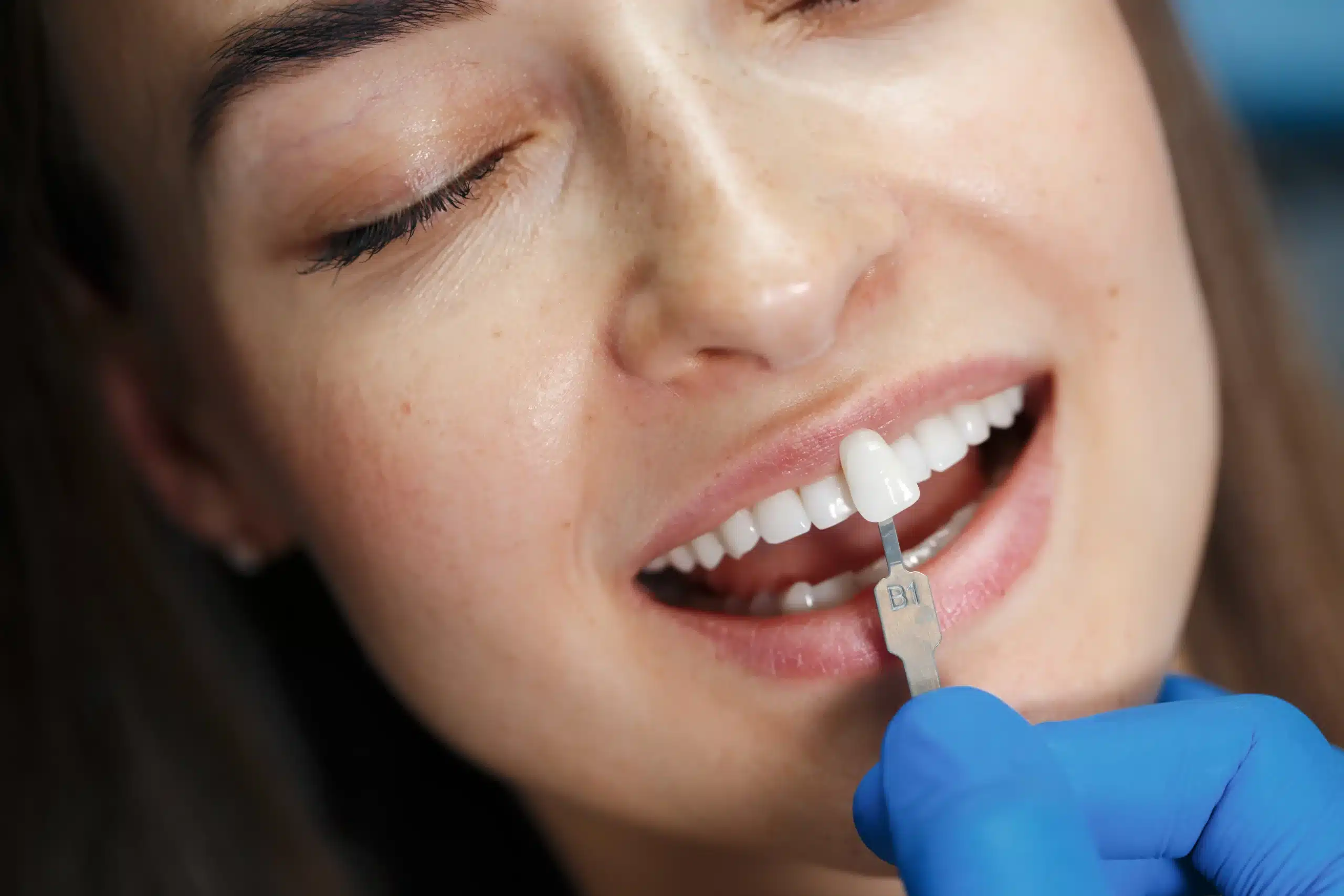
The Evolution of Smile Restoration
Prioritizing Natural Structure Over Reconstruction
For many individuals, the appearance of their smile is a significant component of their self-esteem. Common concerns often revolve around discoloration that resists traditional whitening, teeth that have been worn down through years of use, or minor misalignments that disrupt the harmony of the face. In the past, addressing these issues often required aggressive treatments that sacrificed a substantial amount of healthy tooth structure to accommodate bulky restorations. However, the contemporary landscape of cosmetic dentistry has shifted dramatically toward a philosophy that values the preservation of the original biological framework.
The emergence of ultra-thin veneers represents a paradigm shift in how dental professionals approach these aesthetic challenges. Rather than grinding down a tooth to a peg—as is necessary for a full crown—this modern method involves applying a delicate shell of porcelain or resin to the front surface of the tooth. This technique is akin to resurfacing a building’s facade rather than reconstructing the entire edifice. By focusing on the "frontage" of the smile, dentists can mask imperfections, close gaps, and correct shapes while leaving the core integrity of the tooth untouched.
This conservative approach is not merely about aesthetics; it is a fundamental health strategy. By minimizing the use of the drill, the risk of trauma to the nerve inside the tooth is significantly reduced. Patients who choose this path are opting for a solution that respects the biology of their mouth. The goal is no longer just to create a perfect white smile but to achieve that outcome with the least amount of biological cost. This ensures that the foundation of the smile remains robust, supporting the restoration for decades rather than just years.
| Feature | Traditional Crowns | Minimal Prep Veneers |
|---|---|---|
| Structural Removal | Requires significant reduction of tooth structure (360 degrees). | Involves minimal to no surface refinement (front surface only). |
| Anesthesia Requirements | Usually requires substantial local anesthesia due to depth of preparation. | Often requires little to no anesthesia as preparation stays within enamel. |
| Biological Impact | Higher risk of nerve irritation or need for root canal therapy. | Extremely low risk of nerve impact; preserves vital tooth structure. |
| Primary Indication | Structural damage, deep decay, or significant fractures. | Aesthetic enhancements, minor shape corrections, and surface wear. |
The Critical Role of Enamel in Adhesion
One of the most compelling reasons to opt for a minimal preparation approach lies in the science of dental adhesion. The longevity and stability of a veneer are directly correlated to the strength of the bond between the ceramic shell and the underlying tooth. Clinical evidence consistently shows that dental adhesives bond significantly stronger and more reliably to enamel—the hard, outer protective layer of the tooth—than they do to dentin, the softer inner layer.
When a dentist aggressively prepares a tooth, they often strip away the enamel, exposing the dentin. While bonding to dentin is possible, it is less predictable and more susceptible to degradation over time due to moisture and flexibility issues. Conversely, by keeping the preparation within the enamel layer, the bond formed is incredibly durable, creating a unified structure where the veneer essentially becomes a part of the tooth. This fusion is so strong that the risk of the veneer debonding or fracturing is drastically minimized.
Furthermore, preserving enamel maintains the natural rigidity of the tooth. Teeth that have been heavily reduced can become flexible, which puts stress on the bonding agent and the ceramic, leading to potential failure. By maintaining a robust enamel framework, the tooth supports the ceramic rigidly, allowing the materials to function in unison. This synergy between the synthetic material and natural tissue is the cornerstone of modern restorative success, proving that the best way to ensure the future health of a smile is to respect its original design.
The Intersection of Art and Engineering
Precision Planning and the Custom Workflow
The journey to a revitalized smile is a meticulous process that blends artistic vision with engineering precision. It is rarely a single-visit event; rather, it is a curated workflow designed to ensure predictable and personalized results. Typically spanning three main appointments, the process begins with a conceptual design where the patient's facial features and aesthetic desires are mapped out. This isn't just about picking a shade of white; it's about engineering a shape that functions correctly within the patient's bite.
During the preparation phase, the dentist acts as a sculptor, making microscopic adjustments to the tooth surface to ensure the veneer will sit flush without looking bulky. Following this, precise impressions are taken—either digitally or with physical molds—to capture the exact topography of the prepared teeth. These blueprints are sent to a specialized laboratory where master ceramists craft the veneers by hand. This collaborative effort ensures that every curve and contour is intentional.
The final appointment is a critical fusion of chemistry and mechanics. The veneers are tried in to verify fit and aesthetics before being permanently bonded. This bonding protocol is highly moisture-sensitive and requires strict isolation of the teeth. Once the adhesive is cured, the veneer and tooth become a monolithic unit. This structured approach, moving from digital design to physical integration, eliminates guesswork. It transforms the patient’s desire for confidence into a tangible reality, providing a solution that is as functionally sound as it is visually striking.
Mastering Light and Optical Properties
A common fear among patients considering cosmetic work is ending up with teeth that look artificial—opaque, monochromatic, or "chiclet-like." The true artistry of minimal invasive veneers lies in their ability to mimic the complex optical properties of natural teeth. Natural enamel is not a flat color; it is translucent, allowing light to pass through and reflect off the underlying dentin, creating depth and vitality.
Because modern veneers can be fabricated to be incredibly thin—sometimes as thin as a contact lens—they allow for this natural light transmission. Instead of blocking out the natural tooth entirely, they work with it. The ceramic material is layered with varying degrees of translucency and opalescence to replicate the way natural teeth interact with sunlight and indoor lighting. This results in a restoration that looks alive rather than synthetic.
The minimal thickness also prevents the "over-contoured" look that often plagues older dental work. By adding only a fraction of a millimeter to the tooth's surface, the dentist can change the color and shape without creating a bulky prominence that distorts the lip profile. The result is a seamless integration where the boundary between the natural tooth and the restoration is invisible to the naked eye. This optical integration is what separates a standard dental procedure from a true cosmetic enhancement, ensuring that the smile looks like the one the patient was meant to have born with.
Ensuring Long-Term Harmony
Biocompatibility and Tissue Response
Beyond the mechanics of biting and chewing, the mouth is a biologically active environment teeming with bacteria and subject to constant chemical changes. Therefore, the materials introduced into this ecosystem must meet rigorous safety standards. The ceramics used in modern veneers are selected for their high biocompatibility, meaning they are chemically inert and elicit no adverse immune response from the body.
One of the most critical aspects of long-term health is how the gum tissue responds to the restoration. Rough surfaces or ill-fitting margins can become traps for plaque, leading to chronic inflammation, gingivitis, or recession. High-quality veneers are polished to a glass-like smoothness that resists bacterial accumulation better than natural enamel. When the fit is precise—measured in microns—the transition from tooth to veneer is imperceptible, denying bacteria a foothold.
This "tissue-friendly" approach ensures that the gums remain pink, firm, and healthy around the veneers. There is no dark line at the gum/tooth interface, a common aesthetic failure seen in older metal-based crowns. By using materials that the body accepts as its own, the restoration supports overall oral health rather than compromising it. This focus on biological safety ensures that the investment in a smile is protected by the body's natural defenses rather than being under constant attack from inflammation.
| Consideration Factor | Suitable Candidate Profile | Cautionary Profile |
|---|---|---|
| Tooth Alignment | Minor gaps, slight crowding, or rotations. | Severe crowding or bite issues (Orthodontics recommended first). |
| Tooth Color | Deep staining (tetracycline), resistance to bleaching, or desire for permanent brightness. | Teeth that respond well to standard chemical whitening. |
| Enamel Quality | Sufficient healthy enamel availability for bonding. | Severely worn teeth with exposed dentin or weak structure. |
| Habits | Good oral hygiene, wears night guard if prone to grinding. | Uncontrolled bruxism (grinding) without protection, nail-biting. |
Shared Responsibility in Maintenance
While the technical durability of modern veneers is impressive, with survival rates often exceeding 10 to 15 years, they are not indestructible. The concept of "permanent" in dentistry is relative and heavily dependent on how the restorations are maintained. The conclusion of the bonding appointment marks the beginning of a long-term partnership between the patient and the dental team.
Maintenance goes beyond simple brushing and flossing. It involves understanding that while the ceramic cannot decay, the tooth structure underneath still can. Regular professional hygiene appointments are non-negotiable to monitor the margins of the veneers and the health of the surrounding gums. Furthermore, lifestyle habits play a crucial role. Patients who grind their teeth at night must wear a protective guard to prevent the ceramic from chipping under excessive force.
Dietary choices also matter; while ceramic is stain-resistant, the bonding interface can be susceptible to heavy pigment from coffee, tea, or smoking over many years. By treating veneers with the same care as natural teeth—and perhaps a bit more caution regarding hard foods—patients can extend the life of their smile significantly. Ultimately, the longevity of minimal invasive veneers is a testament to both the dentist's skill in placement and the patient's dedication to daily care.
Q&A
-
What is the Enamel First Philosophy in restorative dentistry?
The Enamel First Philosophy emphasizes the preservation of enamel during restorative dental procedures. This approach prioritizes minimal intervention and aims to maintain as much natural tooth structure as possible, which is crucial for the long-term durability and strength of dental restorations. By focusing on the enamel, dentists can better ensure the longevity and aesthetic appeal of the treatment.
-
How do Tissue Preservation Metrics impact restorative dental procedures?
Tissue Preservation Metrics are used to evaluate the extent to which dental procedures conserve natural tooth tissues. These metrics guide clinicians in choosing techniques and materials that minimize tissue removal and maximize the preservation of healthy tooth structures. This approach helps maintain the tooth's natural function and aesthetics, leading to better patient outcomes and satisfaction.
-
What is Reversible Treatment Planning and why is it important?
Reversible Treatment Planning involves designing dental treatments that can be undone or modified with minimal impact on the original tooth structure. This approach is important because it offers flexibility in treatment decisions and allows for adjustments as patient needs or preferences change over time. It also reduces the risk of irreversible damage to the teeth, aligning with conservative dental practices.
-
Why is Adhesive Strength Optimization crucial in dental restorations?
Adhesive Strength Optimization is crucial because it ensures that the bond between the dental restoration and the natural tooth is strong and durable. This optimization helps prevent restoration failures, such as debonding or fracture, and contributes to the longevity and effectiveness of the treatment. A strong adhesive bond is vital for maintaining the structural integrity of both the restoration and the natural tooth.
-
What role does Long Term Biological Safety play in restorative conservatism?
Long Term Biological Safety focuses on ensuring that dental materials and procedures do not harm the biological tissues of the mouth over time. In restorative conservatism, this means selecting materials that are biocompatible and techniques that minimize adverse effects on the teeth and surrounding tissues. Ensuring biological safety is essential for patient health and the success of conservative dental treatments.