
Navigating Trigeminal Neuralgia: Understanding the Complex Web of Pain and Treatment
Imagine an unexpected jolt of excruciating sensation that can halt everyday activities with unforgiving intensity. This feeling, often stemming from the complex pathways within the facial structure, captures the unpredictable nature of certain health conditions as they affect sensitive regions key to facial sensations. Understanding these daunting experiences opens the door to exploring potential pathways for relief.
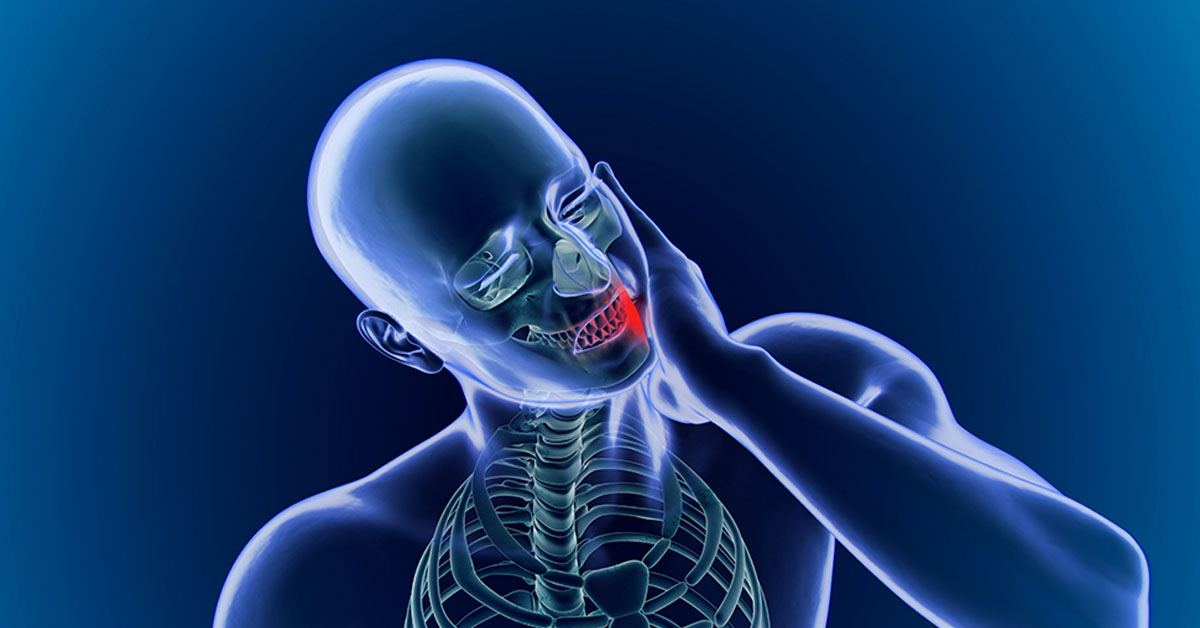
Decoding the Sudden Lightning Storm
The Unpredictable Jolt and Physiological Short Circuits
The onset of this condition is frequently described by patients as one of the most terrifying experiences of their lives, primarily because it arrives with little to no warning. One moment, a person might be enjoying a meal or chatting with a friend; the next, they are struck by a searing, shock-like sensation on one side of their face. Unlike a dull, throbbing toothache or a tension headache that builds slowly, this specific type of facial discomfort strikes with the speed and violence of a lightning bolt. It is distinct in its paroxysmal nature, meaning it occurs in sudden, intense bursts that can last from a few seconds to a couple of minutes, leaving the sufferer exhausted and fearful of the next wave.
To understand why this happens, we must look beneath the surface at the body’s wiring. The fifth cranial nerve, responsible for sensation in the face, functions much like a high-fidelity electrical cable transmitting information to the brain. In a healthy state, this cable is insulated by a protective sheath called myelin. However, due to various factors—ranging from the natural aging process and blood vessel changes to physical trauma—this insulation can wear down. When the protective coating is compromised, the underlying fibers are exposed, creating a volatile environment prone to "short circuits."
This physiological glitch leads to a phenomenon known as cross-talk. Essentially, harmless signals are misinterpreted by the brain as urgent, catastrophic alarms. A light touch that should register as a gentle breeze or the brush of a cotton pad is transmuted into an agonizing electric shock. This hypersensitivity helps explain why the condition is so debilitating; it transforms the mundane, comforting textures of daily life into sources of potential agony. The nerve becomes hyperexcitable, firing off pain signals rapidly and repeatedly, creating a storm of sensation that feels entirely disproportionate to the stimulus that caused it.
| Feature | Typical Dental/Facial Pain | The "Lightning" Neural Condition |
|---|---|---|
| Onset Pattern | Usually gradual, throbbing, or continuous aching. | Sudden, explosive, and shock-like (paroxysmal). |
| Duration | Can last for hours or days constantly. | Brief bursts (seconds to minutes), often repetitive. |
| Triggers | Temperature extremes (hot/cold food), decay, infection. | Light touch, wind, chewing, shaving, or even speaking. |
| Sensation | Dull, aching, pressure, or throbbing. | Sharp, stabbing, electric, or burning. |
| Nighttime | Often disrupts sleep with continuous pain. | Attacks rarely occur during sleep unless triggered by movement. |
Living in the Shadow of Anticipation
The Invisible Burden and the Cycle of Fear
Beyond the physical sensation of the attacks, there is a profound psychological toll that accompanies this diagnosis, creating a burden that is often invisible to the outside world. Because the condition does not manifest with visible wounds, swelling, or bandages, sufferers often face a disconnect between their internal reality and external perceptions. Friends and family may see a person who looks perfectly healthy, not realizing that the individual is navigating a minefield of potential agony. This invisibility can lead to acute social isolation, as patients may withdraw from gatherings to avoid the necessity of talking, eating, or smiling—actions that could potentially spark a flare-up.
Perhaps the most insidious aspect of living with this condition is the development of intense "anticipatory anxiety." Even during periods of remission—windows of time where the pain mysteriously vanishes for weeks or months—the mind rarely rests. The sufferer lives in a state of hyper-vigilance, constantly scanning their environment for threats. A gust of air from an air conditioner, the vibration of a car ride, or the simple act of washing one’s face becomes a calculated risk. This persistent state of high alert floods the body with stress hormones, which ironically can lower the pain threshold further, creating a vicious cycle where the fear of pain amplifies the suffering.
The cyclical nature of the disorder adds another layer of confusion and distress. The condition is characterized by periods of intense activity followed by spontaneous remission. When the symptoms fade, patients may hope they are cured, only to be devastated when the sensations return. This rollercoaster prevents the development of a stable routine and can make it difficult for others to understand the severity of the situation. Patients often learn to wear a "mask" of normalcy to avoid burdening others, but behind that mask, they are often silently calculating their every move to avoid the specialized zones on their face that act as launchpads for the pain.
Mapping the Route to Recovery
From Surgical Precision to Molecular Targeting
Navigating the path to relief requires a multifaceted approach, often starting with a detailed map of the patient’s anatomy. Since the root cause frequently involves a blood vessel pressing against the nerve near the brainstem—akin to a heavy branch resting on a power line—surgical interventions often focus on physically correcting this compression. Procedures such as microvascular decompression involve delicately separating the offending vessel from the nerve and inserting a cushion between them. This is a navigation of a biological maze, requiring immense precision to relieve the pressure without damaging the intricate web of surrounding structures that control hearing and facial movement.
For those who are not candidates for surgery or prefer a conservative approach, the frontline of defense is pharmacological. Standard painkillers are rarely effective because the issue is not inflammation in the tissue, but a malfunction in the transmission line itself. Instead, doctors utilize anticonvulsants—medications originally designed for epilepsy. These drugs work by chemically stabilizing the nerve membranes and damping down the excessive electrical firing. By blocking specific sodium channels that facilitate these rapid-fire signals, the medication essentially tells the nerve to "calm down" and stop sending false alarms to the brain.
Looking toward the horizon, the future of treatment is shifting toward even more precise, less invasive technologies. Researchers are currently investigating "neuromodulation," a technique that uses targeted magnetic or electrical pulses to reset the nervous system from the outside, potentially offering relief without incisions or systemic side effects. Furthermore, the field of genetic research is exploring why some individuals are more susceptible to these "short circuits" than others. By identifying specific protein markers and genetic switches that control pain sensitivity, science is moving closer to personalized therapies that could one day turn off the pain signal at its molecular source, offering hope for a life free from the fear of the next strike.
Q&A
-
What is neuropathic pain and how does it differ from other types of pain?
Neuropathic pain is a complex, chronic pain state that usually is accompanied by tissue injury. Unlike nociceptive pain, which arises from physical damage to tissues, neuropathic pain occurs due to a dysfunction in the nervous system. It is often described as a burning or shooting pain and can be associated with conditions such as diabetes, shingles, or multiple sclerosis.
-
What are trigger zones in the context of neuropathic pain?
Trigger zones are specific areas where minimal stimuli can provoke an intense pain response in individuals suffering from neuropathic pain. These zones are often associated with conditions like trigeminal neuralgia, where even light touch or a gentle breeze can result in a severe pain episode. Identifying these zones is crucial for effective management and treatment of pain.
-
How are paroxysmal attacks related to neuropathic pain?
Paroxysmal attacks refer to sudden, intense episodes of pain that are characteristic of certain neuropathic conditions, such as trigeminal neuralgia. These attacks can be spontaneous or triggered by specific actions or environmental factors. Understanding the nature and triggers of these attacks is essential for developing effective treatment strategies.
-
What role does nerve compression play in neuropathic pain?
Nerve compression can lead to neuropathic pain by exerting pressure on nerves, disrupting their normal function, and causing pain signals to be sent to the brain. Common causes of nerve compression include herniated discs, tumors, or repetitive motion injuries. Treatment may involve physical therapy, medications, or surgical interventions to relieve the compression.
-
How is carbamazepine used in the treatment of neuropathic pain, and what should be considered during its use?
Carbamazepine is an anticonvulsant medication that is often used to treat neuropathic pain, particularly in conditions like trigeminal neuralgia. It works by stabilizing the inactive state of sodium channels, thereby reducing nerve excitability. When using carbamazepine, it is important to monitor for side effects such as dizziness, drowsiness, or allergic reactions, and adjust dosages accordingly under medical supervision.