
Harmonizing Function and Aesthetics in Orthodontic Evaluations
Crafting a harmonious blend of structure and appearance in orthodontic treatments reveals the intricate nature of dental artistry. Beyond surface-level beauty, innovative assessments offer insights into how well treatments hold up over time, ultimately aligning satisfaction with precise methodology and enduring functionality in dental corrections.
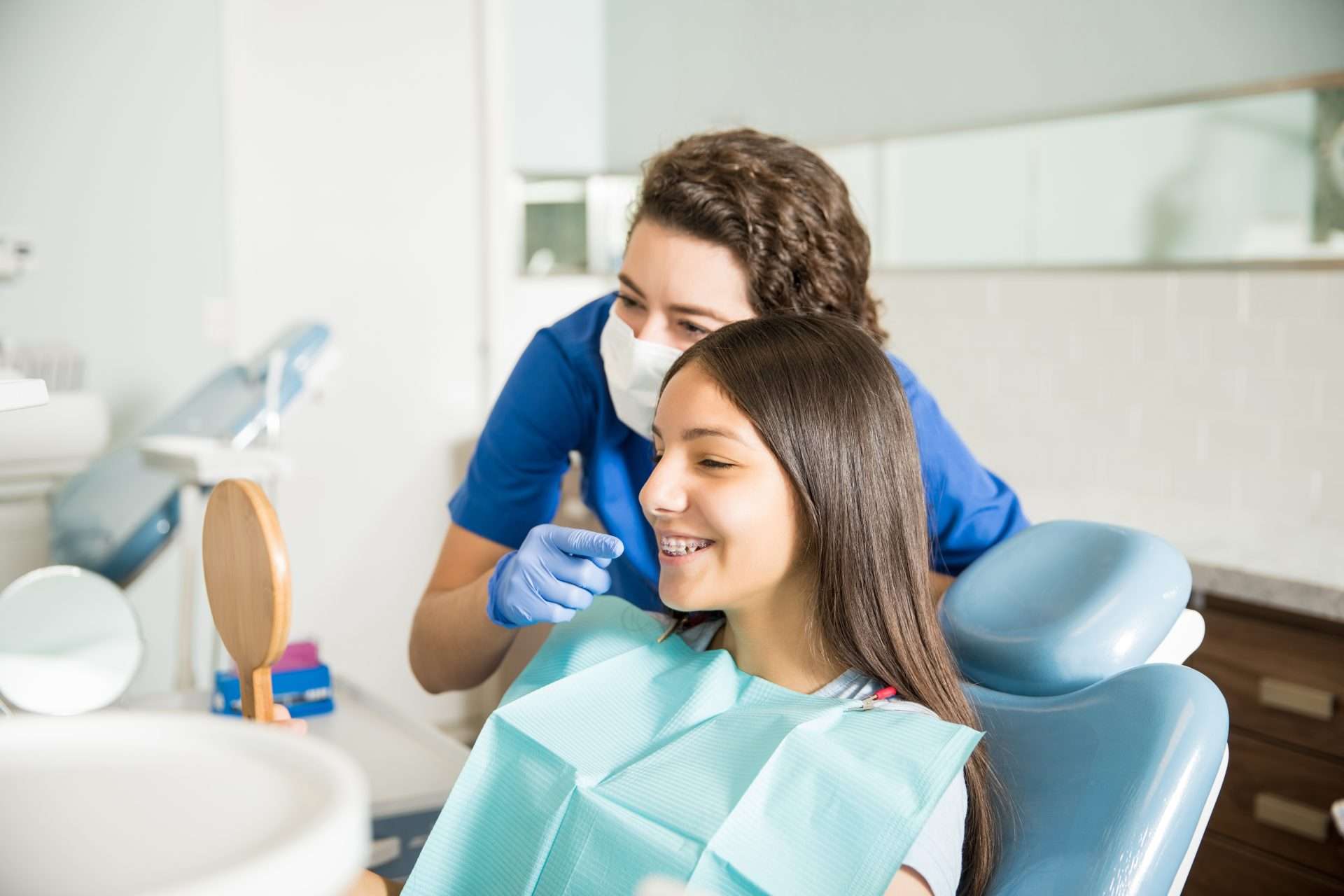
The Intersection of Biological Stability and Artistic Design
Establishing a Foundation Beyond Surface Alignment
In the modern landscape of orthodontics, creating a beautiful smile is no longer just about straightening visible teeth; it begins with a rigorous, medically grounded investigation into what lies beneath. The process starts with precise diagnostics, utilizing X-rays and imaging to analyze the condition of tooth roots and the growth patterns of the skeletal framework. This step is crucial for identifying hidden risks, such as potential periodontal disease or developmental anomalies in the jaw that could undermine the entire treatment plan. Before any cosmetic adjustments are considered, the biological foundation must be secured.
From a functional standpoint, the scientific approach focuses on the mechanics of the bite. A misalignment, such as an overbite or crossbite, is not merely a cosmetic flaw but a mechanical inefficiency that can lead to significant long-term damage. If left uncorrected, these irregularities can cause abnormal wear on tooth enamel, gum recession, and even chronic strain on the jaw joints. Therefore, when evaluating the potential outcome of a treatment, the primary metric is functional harmony. The goal is to ensure that the teeth mesh together in a way that facilitates eating and speaking without placing undue stress on the musculoskeletal system. This "invisible" work ensures that the structural integrity of the mouth supports the aesthetic results for decades to come.
Integrating Facial Proportions and Soft Tissue Dynamics
While the biological foundation provides stability, the "art" of orthodontics lies in harmonizing the teeth with the patient's overall facial features. A technically perfect bite is of little value if it does not complement the individual’s face shape, jawline, and lip profile. Contemporary evaluation processes have moved beyond simply looking at the teeth in isolation. Clinicians now place immense weight on how dental changes will affect the soft tissues—the lips, cheeks, and gums.
Advanced digital technologies allow practitioners to simulate how soft tissues will settle after the teeth have moved. This is vital because a smile that looks good on a plaster model must also look natural when the patient speaks or relaxes their face. For instance, the angle of the front teeth determines lip support; if retracted too far, the profile may look aged or sunken. Conversely, proper angulation can enhance the facial profile. This comprehensive view prioritizes "facial balance" over rigid adherence to numerical averages. By visualizing the endpoint where hard and soft tissues meet, clinicians can tailor treatments that enhance the patient's natural beauty rather than just correcting a malocclusion.
| Assessment Dimension | Traditional Focus | Modern Aesthetic & Functional Focus |
|---|---|---|
| Facial Integration | Primary focus on teeth alignment within the arch. | Harmony with lips, chin projection, and facial midline. |
| Soft Tissue | Often secondary to skeletal and dental correction. | Prediction of lip support and profile changes is central to planning. |
| Gum Visibility | Checked mainly for health (gingivitis). | Gingival display (gummy smile) and contour symmetry are key aesthetic metrics. |
| Dynamic Display | Evaluated mostly in a static biting position. | Analysis of tooth exposure during conversation and natural laughter. |
Redefining Success Through the Patient’s Perspective
Bridging the Gap Between Clinical Data and Personal Satisfaction
There is often a subtle but significant divergence between what a clinician considers a "successful" treatment and what a patient perceives as a satisfactory result. For the orthodontist, success might be defined by the geometric precision of the bite, the alignment of roots on an X-ray, or the stability of the jaw joint. However, for the patient, success is almost exclusively subjective: it is about the confidence felt when looking in the mirror and the reaction of others to their new smile.
This discrepancy highlights the necessity of incorporating patient-reported outcomes into the evaluation matrix. A bite may be functionally perfect, yet if the patient feels their smile does not suit their personality or if the process was overly traumatic, the treatment cannot be deemed a total success. Modern protocols now emphasize the quality of life during the procedure itself. Factors such as the comfort of the appliances, the visibility of the hardware, and pain management play pivotal roles in the final satisfaction score. Furthermore, managing expectations through clear communication is essential. When patients fully understand the realistic limitations and potential changes to their facial aesthetics, the gap between expectation and reality narrows, leading to higher approval ratings post-treatment.
The Role of Digital Precision in Experience and Outcome
The introduction of digital scanning and 3D modeling has revolutionized not just the clinical accuracy of orthodontics but also the patient's journey and understanding of the process. Gone are the days when uncomfortable, messy clay impressions were the only way to capture a dental record. Intraoral scanners now create micron-accurate digital maps of the mouth in minutes, significantly improving patient comfort and eliminating the distortions common with traditional materials.
This digital workflow facilitates a "co-diagnosis" experience. Patients can view a time-lapse simulation of their treatment on a screen, watching their teeth move from their current state to the projected final position. This visualization is a powerful tool for aligning goals; it allows the patient to validate the aesthetic target before a single bracket is placed. Furthermore, this data drives the manufacturing of fully customized appliances—from lingual braces to clear aligners—that are tailored to the unique topography of each tooth. These custom devices apply force more efficiently, potentially shortening treatment times and reducing the discomfort associated with generic, one-size-fits-all components. The result is a treatment pathway that is predictable, engaging, and far less intrusive on the patient's daily life.
Longevity and Dynamic Expression
Capturing the Dynamic Smile and Ensuring Stability
Static analysis is no longer sufficient for evaluating a smile. A person rarely holds their mouth in a fixed grimace; they talk, laugh, and express emotion. Consequently, the latest evaluation standards focus on "dynamic aesthetics." This involves assessing how much tooth structure is revealed during a spontaneous laugh or how the corners of the mouth lift during conversation. The "social smile" is often different from the "posed smile," and treatments aim to optimize the aesthetics of the teeth in motion, ensuring the patient looks natural and attractive in real-world interactions.
Equally important is the concept of sustainability in results. The removal of braces is not the finish line; it is the start of the retention phase. Long-term tracking reveals that teeth have a memory and will drift back to their original positions without proper intervention. The evaluation of a successful outcome now spans years, monitoring how the bite settles and how the dentition ages. This perspective influences the choice of retention protocols—often designing retainers that are comfortable enough to ensure lifelong compliance. By viewing orthodontic treatment as a long-term investment in health rather than a one-time fix, clinicians can implement strategies that maintain the structural and aesthetic integrity of the smile well into the patient's later years.
| Aspect of Stability | Short-Term Goal (0-6 Months Post-Treatment) | Long-Term Goal (5+ Years Post-Treatment) |
|---|---|---|
| Retention Strategy | Full-time wear to allow periodontal fibers to reorganize. | Nightly wear to counteract natural physiological drift and aging. |
| Bite Settling | ensuring the upper and lower teeth "sock in" for maximum contact. | Maintaining distinct contact points to prevent abnormal wear. |
| Hygiene Foundation | Establishing rigorous cleaning habits with appliances. | Preserving gum health and bone levels to support tooth position. |
| Relapse Risk | High monitoring for immediate rotational relapse. | Monitoring for late mandibular crowding or shifting due to growth. |
Q&A
-
What is Occlusal Index Scoring and how is it used in orthodontics?
Occlusal Index Scoring is a method used in orthodontics to quantify the alignment and occlusion of teeth. It provides a standardized way to assess dental and skeletal relationships, helping clinicians determine the severity of malocclusion and prioritize treatment. This scoring system aids in treatment planning and evaluating treatment outcomes by providing a baseline and post-treatment comparison.
-
How do Smile Aesthetics Metrics impact patient treatment plans?
Smile Aesthetics Metrics evaluate the visual appeal of a patient's smile, considering factors like symmetry, tooth color, and alignment. These metrics are crucial in developing treatment plans that not only aim for functional improvement but also enhance the overall facial aesthetics. By integrating aesthetics into the planning process, orthodontists can better meet patient expectations for a pleasing smile.
-
What is Functional Bite Assessment and why is it important?
Functional Bite Assessment examines how well the teeth fit together when the jaws are closed, assessing the efficiency of chewing and the comfort of the bite. This assessment is important because it identifies occlusal issues that can lead to problems such as jaw pain, tooth wear, and temporomandibular joint disorders. Addressing these issues ensures the functionality of the bite and long-term oral health.
-
Why is Post Treatment Stability Analysis crucial in orthodontic care?
Post Treatment Stability Analysis is vital for ensuring that the results of orthodontic treatment remain stable over time. This analysis involves monitoring tooth position and occlusion after treatment to identify potential relapse. Understanding the factors that contribute to stability helps orthodontists create retention strategies that maintain treatment outcomes and prevent the need for future corrective procedures.
-
How does Patient Satisfaction Correlation with treatment outcomes enhance orthodontic practices?
Correlating Patient Satisfaction with treatment outcomes allows orthodontists to assess the effectiveness of their treatments from the patient’s perspective. High levels of satisfaction typically indicate successful alignment of clinical results with patient expectations, leading to improved patient retention and referrals. Feedback from satisfaction surveys can also guide practice improvements and tailor services to better meet patient needs.
-
What role does Longitudinal Result Tracking play in orthodontic research and practice?
Longitudinal Result Tracking involves the continuous monitoring of treatment outcomes over an extended period. This practice is essential in research for understanding long-term effects and effectiveness of various treatment modalities. In clinical settings, it helps in adjusting treatment plans based on real-time data and enhances the predictive accuracy for future cases by analyzing trends and patterns observed in past treatments.