
Crafting the Perfect Fit: Exploring Modern Denture Material Trends
In a world where dental science rapidly evolves, traditional solutions are being left behind as groundbreaking innovations take the stage. The realm of prosthetic dentistry is transforming with the emergence of cutting-edge materials that promise enhanced comfort, durability, and aesthetics, catering to diverse patient needs.
Redefining the Classics: Polymers and Ceramics
The Enduring Appeal of Standard Bases and Aesthetics
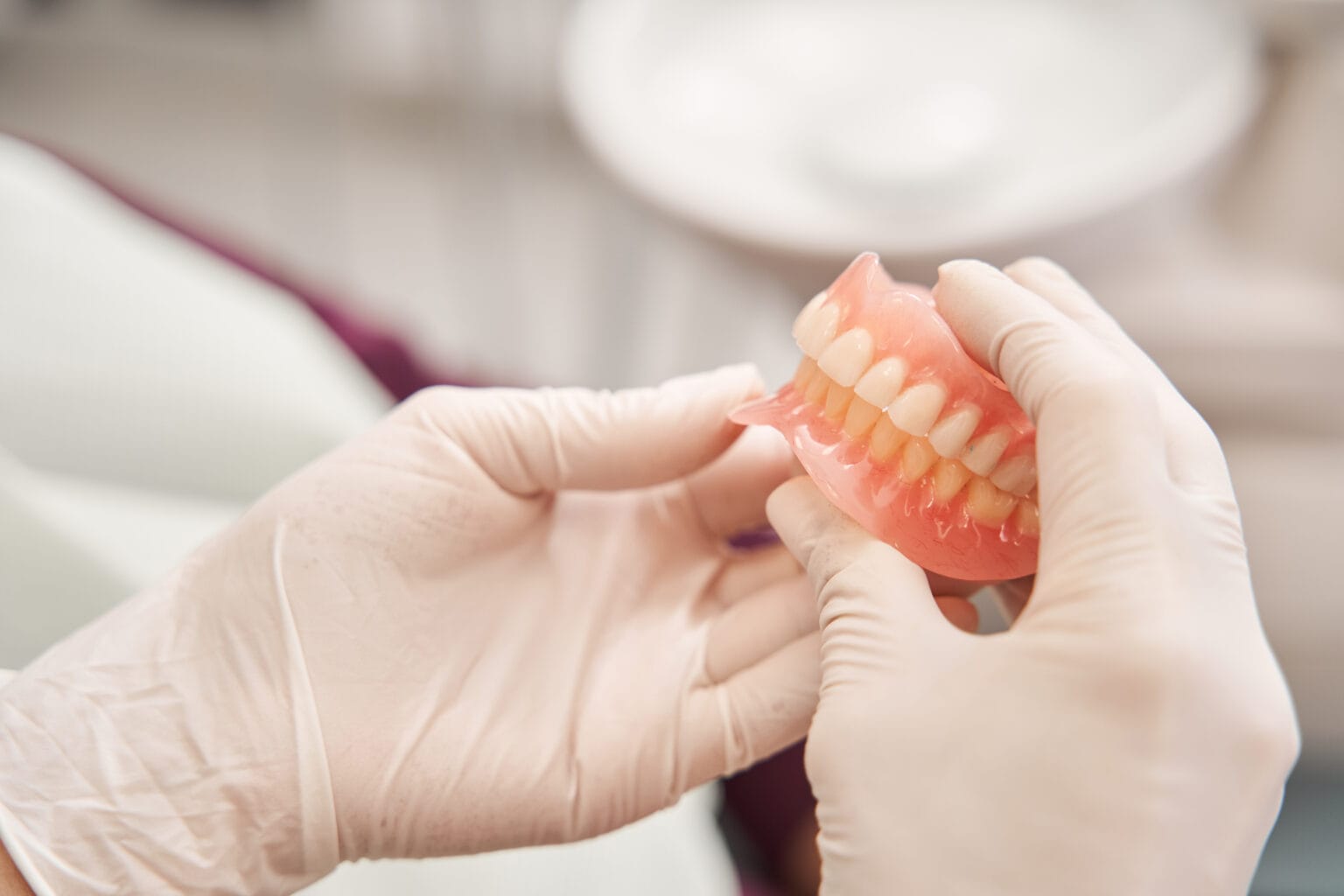
For decades, the standard for restorative dentistry has relied heavily on tried-and-true materials that balance cost with functionality. The most ubiquitous of these is the pink base found in acrylic resin dentures. This material is favored not only for its affordability but also for its adaptability. Because the material is easily manipulated, dentists can reline or repair these prosthetics relatively quickly if the shape of the wearer's jaw changes over time. However, while they offer excellent aesthetic customization to match gum tones, they can be somewhat bulky to ensure they do not crack under pressure.
Complementing these bases, porcelain teeth have long been the gold standard for mimicking the translucency and light-reflecting properties of natural enamel. Unlike their plastic counterparts, these ceramic options are incredibly resistant to wear and maintain their chewing efficiency over many years. They provide a density and "click" feel that many long-term wearers associate with high quality. The trade-off lies in their brittleness; if dropped, they are prone to chipping, and the hardness of the material can sometimes accelerate wear on any remaining natural opposing teeth. Despite newer entrants to the market, this combination remains a cornerstone for patients seeking a proven, realistic appearance.
Engineering for Strength and Comfort
The Structural Integrity of Metal Frameworks
When structural profile and hygiene are paramount, dental professionals often turn to metal alloys. Specifically, cobalt-chrome partials represent a significant leap in engineering over all-plastic counterparts. These frameworks are cast to fit the unique topography of the mouth with incredible precision. Because the alloy is exceptionally strong, the palate and connectors can be made significantly thinner, which improves the sensation of taste and reduces the feeling of having a "mouthful" of material.
The rigidity of these metal frameworks serves a dual purpose: it stabilizes the remaining natural teeth by distributing chewing forces evenly, and it resists plaque accumulation better than porous plastics. While the idea of metal sounds industrial, modern designs hide the framework cleverly behind the teeth or gum line. For patients with a strong bite or those who require a device that acts as a splint for mobile teeth, the dimensional stability of these alloys offers a solution that softer materials simply cannot match.
| Material Category | Primary Advantage | Typical Wearer Profile | Maintenance Considerations |
|---|---|---|---|
| Rigid Polymers | Easy to repair and modify | First-time wearers or budget-conscious patients | Needs frequent cleaning to prevent odor absorption |
| Cast Alloys | Thin profile and high strength | Patients with heavy bite force or strong gag reflex | Metal clasps require careful handling to avoid bending |
| Ceramic Options | Superior stain resistance | Aesthetic-focused individuals desiring natural translucency | Brittle; requires care to avoid dropping on hard surfaces |
The Era of Adaptable Flexibility
Moving away from rigid structures, a massive shift in patient preference has been toward flexible thermoplastic options. Unlike the static nature of acrylics or metals, these nylon-based materials are designed to flex and adapt to the movement of the mouth during chewing and speaking. This flexibility eliminates the need for metal clasps, as the material itself can extend over the gum ridge to hold the prosthetic in place, blending seamlessly with the natural tissue color.
This material is particularly revolutionary for patients who find hard dentures painful or irritating to their soft tissues. The biocompatible nature of these thermoplastics makes them an excellent choice for individuals with allergies to the monomers found in standard acrylics. While they are virtually unbreakable and incredibly lightweight, they do have a unique limitation: they cannot be easily relined or added to. Therefore, they are often viewed as the ultimate choice for comfort in partial restorative cases rather than a perpetually modifiable solution.
High-Tech Innovations and Future Trends
Merging Durability with Aesthetics
As demand grows for prosthetics that can withstand high impact without sacrificing beauty, hybrid materials have entered the scene. These composites bridge the gap between the flexibility of polymers and the hardness of ceramics. By reinforcing resin matrices with ceramic or glass fillers, manufacturers create a material that absorbs shock—mimicking the natural periodontal ligament—while resisting the abrasion that typically dulls plastic teeth.
These hybrids are particularly relevant for implant-supported structures, where the force of chewing is transferred directly to the bone. A material that is too hard can transmit damaging shockwaves, while one that is too soft will wear down rapidly. Hybrids offer a "shock-absorbing" effect that protects the implants while delivering the visual crispness of high-end porcelain.
The Molecular Precision of Nanotech
The cutting edge of dental material science is currently defined by nanotechnology dentures. By manipulating matter at the molecular level, scientists are creating prosthetic bases and teeth that possess unique properties previously thought impossible. These materials utilize hydrophobic nanocoatings that actively repel water, preventing bacteria and pigments from adhering to the surface. This results in a denture that stays cleaner, smells fresher, and maintains its original color for significantly longer.
Furthermore, nanocomposites allow for a high polishability that mimics the wet sheen of natural oral tissues. The structural density achieved at the nano-level means these prosthetics can be made thinner and lighter than ever before without compromising fracture resistance. This technology represents the future of customized oral healthcare, offering a "forget it's there" experience for the user.
| Feature Focus | Traditional Solutions | Modern High-Tech Solutions |
|---|---|---|
| Bite Feel | Hard, distinct "click" upon contact | Shock-absorbing, natural dampening sensation |
| Hygiene | Porous surface requires daily soaking | Hydrophobic surfaces repel bacteria and stains |
| Appearance | Standardized gum shades | High translucency with "chameleon" effect blending |
| Durability | Prone to impact fractures (dropping) | Molecularly reinforced to resist high-impact breakage |
Q&A
-
What are the benefits of using acrylic resin dentures?
Acrylic resin dentures are popular due to their affordability, ease of adjustment, and lightweight nature. They are also versatile and can be easily colored to match the natural hue of gums, providing a more aesthetic appearance. Additionally, their non-metallic nature makes them a suitable option for individuals with metal allergies.
-
How do porcelain teeth compare to other dental materials in terms of durability and aesthetics?
Porcelain teeth are known for their superior aesthetic qualities, closely mimicking the translucency and color of natural teeth. They are also highly durable and resistant to wear, making them an excellent choice for long-term use. However, they can be more brittle compared to other materials like acrylic, requiring careful handling.
-
What advantages do cobalt-chrome partials offer over traditional partial dentures?
Cobalt-chrome partials provide greater strength and stability compared to traditional partial dentures made from plastic. They are thinner and more lightweight, offering increased comfort and less irritation to the mouth. Additionally, their metallic framework ensures a more secure fit, reducing the risk of movement or slippage.
-
In what situations are flexible thermoplastic dentures preferred over rigid dentures?
Flexible thermoplastic dentures are particularly beneficial for patients with irregular gum contours or sensitive gums, as they provide a snug, comfortable fit without the need for metal clasps. Their flexibility allows for easier insertion and removal, which is ideal for individuals who struggle with the rigidity of traditional dentures.
-
How is nanotechnology being utilized in the development of dentures?
Nanotechnology is being applied in denture development to enhance material properties at the molecular level. This includes improving strength, resistance to bacteria, and overall durability. Nanotechnology dentures can offer increased comfort and longer lifespan, as well as better oral hygiene due to their resistance to bacterial colonization.