
Navigating Stability and Compliance in Retention Solutions
In the evolving landscape of oral health solutions, designing systems that ensure consistent effectiveness over time is crucial. Innovations must seamlessly integrate robustness with tactical foresight, addressing potential challenges from physical deterioration to adherence uncertainties, ensuring the sustained success of retention endeavors myriad practices depend upon.
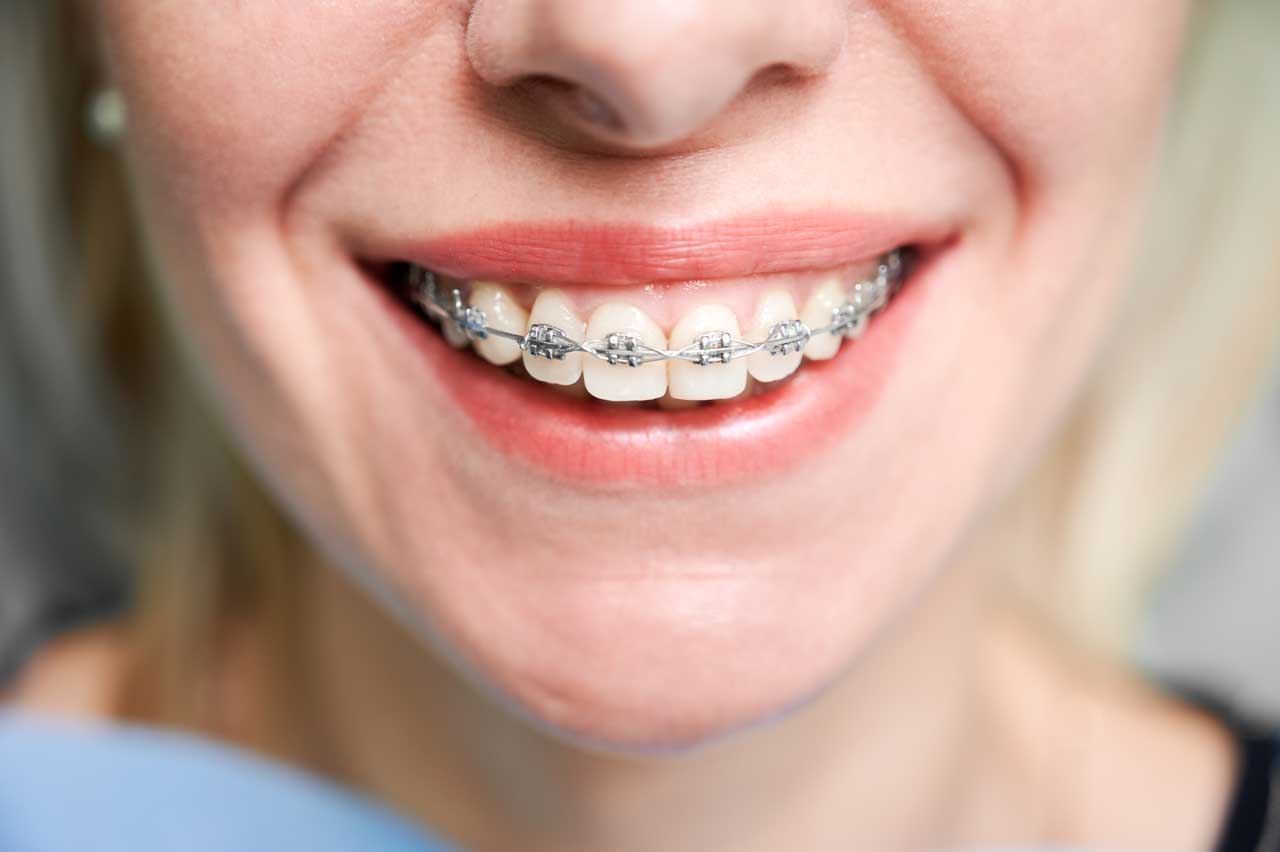
Engineering Resilience in Oral Environments
Adapting Material Science to Biological Realities
The oral environment is surprisingly hostile to mechanical devices. Much like architectural structures must withstand wind and earthquakes, retention appliances must endure the relentless, cyclic forces of mastication and speech. Historically, the approach to stabilization was rigidity—using thick, unyielding wires or bulky acrylics to freeze teeth in place. However, modern understanding of biomechanics suggests that a degree of engineered flexibility is often more effective than brute stiffness. This is where the nuance of material fatigue resistance becomes a cornerstone of product development.
When a fixed appliance is subjected to thousands of micro-movements daily, conventional materials eventually succumb to stress fractures or bond failures. Contemporary innovations now utilize memory alloys and multi-stranded wires that can flex slightly with the periodontal ligament's natural movement without permanently deforming. This "shock-absorbing" capability significantly extends the lifespan of the bonded wire. By mimicking the biological resilience of the tooth’s own support system, these designs prevent the sudden, catastrophic failures that lead to immediate relapse.
Furthermore, the integration of optical scanning and CAD/CAM manufacturing allows for a level of customization previously unattainable. Instead of bending stock wires by hand—which introduces weak points into the metal structure—machines can mill or bend alloys with microscopic precision based on digital models. This ensures that the fixed retainer design sits perfectly passive against the lingual surface, reducing tension on the bonding agent and ensuring that the retention system works with the physiology of the mouth rather than fighting against it.
The Intersection of Protocols and Human Behavior
Designing Protocols for Real-World Lifestyles
Even the most mechanically sound appliance fails if it is not used correctly. This reality shifts the focus from purely physical engineering to "human engineering," or strategy. The effectiveness of removable retention protocols is almost entirely dependent on patient adherence, which is heavily influenced by how easily the routine fits into their daily life. Just as modern office spaces are designed to reduce cognitive load, retention schedules are moving away from rigid, one-size-fits-all rules toward adaptable, lifestyle-compatible guidelines.
The concept of "friction reduction" is vital here. If a retainer is bulky, affects speech, or is difficult to clean, the psychological friction prevents consistent wear. Modern clear aligner-style retainers address this by offering an aesthetic and comfortable solution, but they require strict discipline. To counter "compliance fatigue"—where patients slowly drift away from their prescribed schedule—clinicians are increasingly adopting hybrid strategies. This often involves a bonded retainer for 24/7 stability of the anterior teeth, combined with a removable overlay for nighttime wear to maintain arch width and posterior occlusion.
This dual-layer approach acts as a fail-safe. If the patient misses a night of wear, the fixed component acts as a safety net, preventing rapid shifting. Conversely, if the fixed wire breaks, the removable tray acts as a backup until a repair can be made. This redundancy is a hallmark of long-term stability planning, acknowledging that while human behavior is variable, the retention system itself should remain constant.
| Comparison Dimension | Fixed Bonded Systems | Removable Overlay Systems | Hybrid Retention Strategy |
|---|---|---|---|
| Primary Advantage | Continuous, compliance-free stabilization of front teeth. | Controls the entire arch width and posterior bite. | Combines 24/7 anterior hold with total arch support. |
| User Responsibility | High requirement for hygiene (flossing); low active effort. | High requirement for discipline (wear time); easier hygiene. | Moderate effort; offers a "safety net" if one method fails. |
| Failure Mode | Bond failure or wire breakage (often unnoticed). | Lost appliance or gradual non-wear (compliance fade). | Redundant protection minimizes risk of total relapse. |
| Ideal Candidate | Patients with high risk of anterior crowding. | disciplined patients; expansion cases. | Most comprehensive cases requiring maximum security. |
Future-Proofing Through Risk Management
Predicting Instability Before It Occurs
The final frontier in retention is moving from reactive maintenance to proactive risk modeling. In many organizational structures, data is used to predict when an employee might quit; similarly, in orthodontics, we can now analyze distinct physiological markers to estimate relapse risk modeling. Not all smiles are under the same amount of tension to revert. Factors such as original tooth position, tongue posture, and connective tissue memory create specific "threat levels" for different patients.
By categorizing patients based on these risk profiles, practitioners can customize the retention strategy rather than defaulting to a standard prescription. For a patient with a high probability of rotational relapse, a simple clear tray might be insufficient. In such cases, a more robust fiber-reinforced fixed retainer paired with a heavy-duty nighttime appliance ensures stability. Conversely, for low-risk cases, a tapering protocol—where wear time is gradually reduced over years—can improve quality of life without compromising results.
This strategic oversight extends to the concept of "life-long retention." Just as infrastructure requires maintenance, retention compliance strategies must evolve as the patient ages. The physiological drift that occurs naturally in the 40s and 50s requires a different approach than the immediate post-treatment phase of a teenager. Viewing retention not as a single phase but as a dynamic, life-long management strategy allows for adjustments that accommodate changes in dental health, ensuring that the investment in a smile is preserved indefinitely.
| Clinical Risk Profile | Estimated Relapse Risk | Retention Strategy Emphasis |
|---|---|---|
| Severe Rotations/Crowding | High | Redundancy: Heavy gauge fixed wire + nightly rigid removable appliance. |
| Arch Expansion Cases | Moderate to High | Arch Support: Removable appliance is critical to maintain width; fixed wire optional. |
| Spacing/Gap Closure | Moderate | Retention: Fixed bonded wire is essential to prevent spaces from reopening. |
| Minor Esthetic Tweaks | Low | Comfort: Standard clear removable retainers with gradual tapering of wear time. |
Q&A
-
What factors should be considered in Fixed Retainer Design?
In Fixed Retainer Design, it is crucial to consider the type of material used, the positioning of the retainer, and the individual patient's dental anatomy. Additionally, the retainer should be designed to minimize interference with oral hygiene and to ensure durability over time. Customization to fit the patient's unique dental structure can enhance effectiveness and comfort.
-
How do Removable Retention Protocols differ from fixed retention methods?
Removable Retention Protocols differ in that they allow patients the flexibility to remove the retainer, usually for cleaning or eating, while still maintaining teeth alignment. These protocols often require higher patient compliance as they rely on the patient remembering to wear them for the prescribed amount of time. They are generally more convenient for oral hygiene but may be less effective if not worn consistently.
-
Why is Material Fatigue Resistance important in orthodontic retainers?
Material Fatigue Resistance is crucial because it determines the lifespan and performance of the retainer under repeated stress. Orthodontic retainers are subject to constant pressure from chewing and natural oral movements, and materials with high fatigue resistance are less likely to crack or deform, ensuring that they maintain their function effectively over time.
-
What is Relapse Risk Modeling in orthodontics?
Relapse Risk Modeling involves predicting the likelihood of teeth shifting back to their original position after orthodontic treatment. This modeling considers factors such as the type of orthodontic treatment received, the patient's age, and their oral habits. Effective modeling can help in creating personalized retention strategies to minimize the risk of relapse.
-
How can Long Term Stability Planning be implemented in orthodontic care?
Long Term Stability Planning involves creating a comprehensive plan that includes regular follow-up appointments, a well-designed retention strategy, and education for the patient on maintaining oral health. This planning should address potential challenges such as material wear, compliance issues, and changes in oral health over time to ensure that the results of orthodontic treatment are preserved for the long term.