
Weighing Options: Veneers Versus Crowns for Durable Dental Health
Choosing between veneers and crowns involves careful consideration of various factors. From visual appeal to structural resilience, each option offers distinct advantages and challenges that impact both immediate outcomes and future oral health. Understanding these considerations can guide individuals toward making informed choices tailored to their unique dental situations.
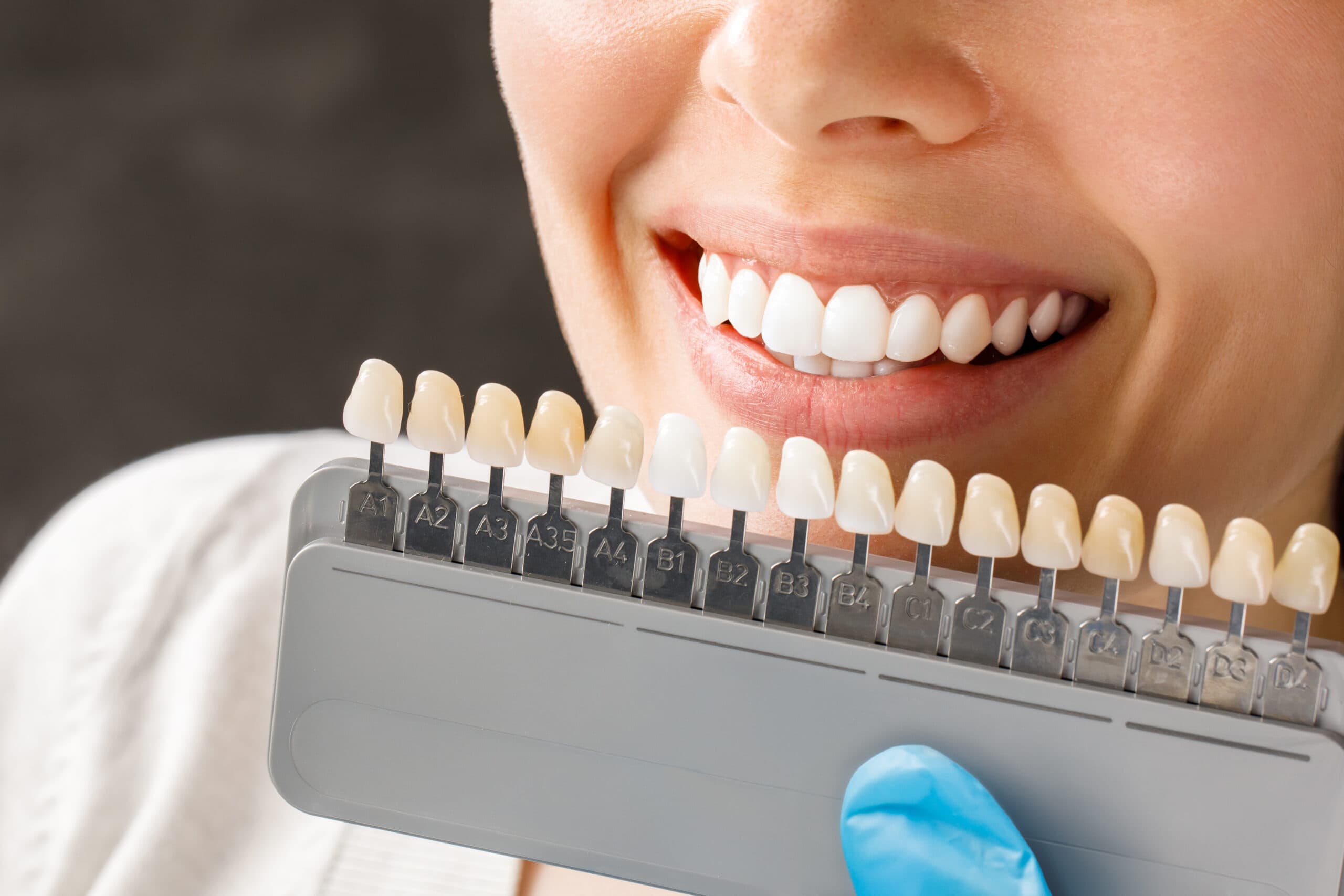
The Art of Minimal Intervention
Transforming Smiles with Micro-Thin Precision
For individuals seeking to significantly alter the impression of their smile without committing to extensive dental reconstruction, veneers represent a highly attractive approach. This method involves bonding an incredibly thin shell of ceramic or composite resin to the front surface of the tooth. To visualize how this works, it is helpful to think of them as "false fingernails" for teeth or, perhaps more accurately, like contact lenses. This solution is particularly effective for correcting innate tooth discoloration that resists whitening treatments, closing minor gaps between teeth, or restoring harmony to chipped or slightly misshapen edges. The result is often a surprisingly natural finish that revitalizes the entire facial appearance.
These shells are manufactured to be exceedingly thin, typically ranging from 0.3 to 0.5 millimeters, yet they possess a translucency that rivals natural enamel. Because they transmit light in a way that mimics biological tissue, they blend seamlessly with surrounding teeth. When a person smiles, the treated area looks uniform and balanced rather than artificial or opaque. Beyond simply whitening the smile, this technique allows for the micro-adjustment of tooth shape and size, creating a "smile line" that complements the overall balance of the face. This ability to customize the aesthetics while maintaining a lifelike appearance is arguably the greatest strength of this treatment modality.
Another compelling reason many patients opt for this route is the concept of "low invasion." Unlike more aggressive treatments that require substantial reduction of the tooth, veneers typically demand only a minimal shaving of the surface enamel. In some advanced cases, "no-prep" options exist where almost no drilling is required. Preserving the maximum amount of original biological material is a significant advantage when considering the lifelong health of the tooth. The process usually involves precise digital scanning or impression taking, followed by the fabrication of custom shells in a laboratory. Because the procedure is conservative, it often requires less anesthesia and fewer visits, offering a pathway to an ideal smile that respects the natural anatomy of the mouth.
Structural Reinforcement and Functional Restoration
Engineering Durability for Compromised Teeth
While veneers excel at surface-level improvements, there are scenarios where the tooth requires a "helmet" rather than a "shield." This is where crowns become the standard for durability and protection. A crown is designed to encase the entire visible portion of the tooth above the gum line. This comprehensive coverage is essential when a tooth has been significantly weakened by deep decay, large fillings, or root canal therapy. By surrounding the remaining structure, a crown acts as a splint, binding the tooth together and distributing external impact forces evenly. This prevents the underlying natural tooth from fracturing under pressure, a protective function that surface-only restorations simply cannot provide.
The necessity of this "full-coverage" approach is often dictated by the amount of damage already present. If a tooth has lost a significant portion of its structure, it lacks the surface area to safely support a bonded veneer. In such cases, prioritizing the longevity of the tooth over minimal preparation is the prudent clinical decision. The goal here shifts from purely cosmetic enhancement to structural salvage, ensuring that the tooth remains viable and functional for decades rather than facing extraction.
| Feature | Veneer | Crown |
|---|---|---|
| Primary Purpose | Aesthetic correction (color, shape, minor alignment) | Structural reinforcement and function restoration |
| Coverage Area | Front surface and biting edge only | Encases the entire visible tooth above the gum line |
| Tooth Preparation | Minimal (0.3mm - 0.5mm), mostly enamel | Moderate to significant (1.0mm - 2.0mm), circumferential |
| Structural Support | Minimal reinforcement for the tooth | High reinforcement (holds weak teeth together) |
Recent advancements in material science have revolutionized how these durable restorations look and perform. Historically, metal was required to achieve the necessary strength for back teeth, but modern ceramics, particularly Zirconia, have changed the landscape. Zirconia offers immense flexural strength—capable of withstanding the intense crushing forces exerted by the jaw muscles—while maintaining a white, natural appearance. Since our molars can be subjected to forces equivalent to body weight during chewing, utilizing these high-strength materials ensures that the patient can eat confidently without fear of breakage. Furthermore, these materials are resistant to corrosion and wear, reducing the likelihood of premature failure or the need for re-treatment.
Evaluating Long-Term Viability and Lifestyle Fit
Balancing Biologic Cost with Future Stability
When making the final decision, one must weigh the biological cost against the functional gain. The most significant trade-off lies in how much natural tooth structure must be sacrificed. Veneers are inherently conservative; because they rely on bonding to enamel for their strength, the preparation is confined to the surface. This approach is less traumatic to the nerve of the tooth and leaves more options open for future treatments. However, because they are merely bonded to the front, they are mechanically less retentive than crowns and may be vulnerable to peeling or chipping if subjected to abnormal forces, such as nail-biting or opening packages with teeth.
Conversely, crowns provide superior mechanical retention because the tooth is shaped into a stabilizing core. This makes them the preferred choice for patients with heavy bite forces or those who grind their teeth (bruxism) at night. However, the preparation for a crown is irreversible; once a tooth is cut down for a crown, it will always require a crown. There is no going back to a natural tooth or a thinner veneer. Therefore, if the tooth is relatively healthy and the primary goal is cosmetic, sacrificing substantial healthy tissue for a crown may be considered overly aggressive.
| Scenario | Recommended Approach | Reasoning |
|---|---|---|
| Deep Discoloration | Veneer | Can mask color with minimal removal of healthy tooth structure. |
| Heavy Grinding (Bruxism) | Crown (Zirconia) | Veneers may chip under pressure; high-strength crowns resist fracture. |
| Large Existing Fillings | Crown | There is insufficient enamel to bond a veneer; the tooth needs support. |
| Minor Chipping | Veneer | Restores the edge without aggressive drilling of the healthy back surface. |
It is also vital to consider the aging process. Dental restorations do not change color, but natural teeth do. Over ten or twenty years, surrounding natural teeth may darken, potentially making the treated tooth stand out. Additionally, as we age, gum lines can naturally recede. In the case of crowns, this might expose the margin where the restoration meets the root, which can be aesthetically displeasing if the margin was not placed carefully. Regular maintenance and a realistic understanding that "permanent" restorations may eventually need replacement are crucial parts of the decision-making process. Ultimately, the choice should not be based solely on immediate gratification but on a strategic assessment of which option offers the best balance of beauty, function, and preservation of biological assets for the patient's specific lifestyle.
Q&A
-
What is Remaining Tooth Structure Analysis and why is it important?
Remaining Tooth Structure Analysis involves evaluating the existing structure of a tooth after decay removal or preparation for a dental restoration. It's crucial because it helps determine the tooth's ability to support a restoration, guides the choice of restorative material, and influences the longevity and success of the treatment. -
How do Load Bearing Requirements impact dental restorations?
Load Bearing Requirements refer to the ability of a dental restoration to withstand the forces exerted during chewing and biting. This analysis is vital for selecting materials that can endure specific stress levels, ensuring the restoration does not fracture or fail prematurely, thus maintaining oral function and patient comfort. -
Why is Margin Location Comparison significant in dental procedures?
Margin Location Comparison involves assessing the position of the restoration margins relative to the gingiva. The significance lies in its impact on periodontal health, esthetics, and the ease of future restorations. Proper margin placement can prevent gum irritation, ensure better aesthetic outcomes, and facilitate easier maintenance. -
What is Reversibility Consideration and how does it affect treatment choices?
Reversibility Consideration evaluates the potential to reverse or modify a treatment without causing significant damage to the tooth structure. It affects treatment choices by encouraging less invasive procedures that preserve natural tooth tissue, offering patients options for future treatments or adjustments. -
How is Esthetic Tradeoff Evaluation conducted in dentistry?
Esthetic Tradeoff Evaluation involves balancing the cosmetic outcomes of a dental treatment with functional and biological considerations. This evaluation considers factors like color matching, translucency, and alignment against the structural integrity and health of the tooth, aiming to achieve a result that satisfies both the patient's aesthetic desires and clinical requirements. -
What factors are considered in Long Term Prognosis Modeling for dental restorations?
Long Term Prognosis Modeling assesses the future performance and longevity of a dental restoration by considering factors such as material durability, patient oral hygiene, biting forces, and potential changes in oral health. This modeling helps in planning treatments that are sustainable and provide lasting benefits to the patient.