
From Passive Mechanics to Active Control: The Self Ligating Braces Advantage
In recent years, a quiet revolution in orthodontics has been reshaping the way dental practitioners address alignment issues. This innovation promises greater efficiency and comfort, transforming complex treatments into more predictable and streamlined experiences, significantly altering expectations and outcomes in oral care.
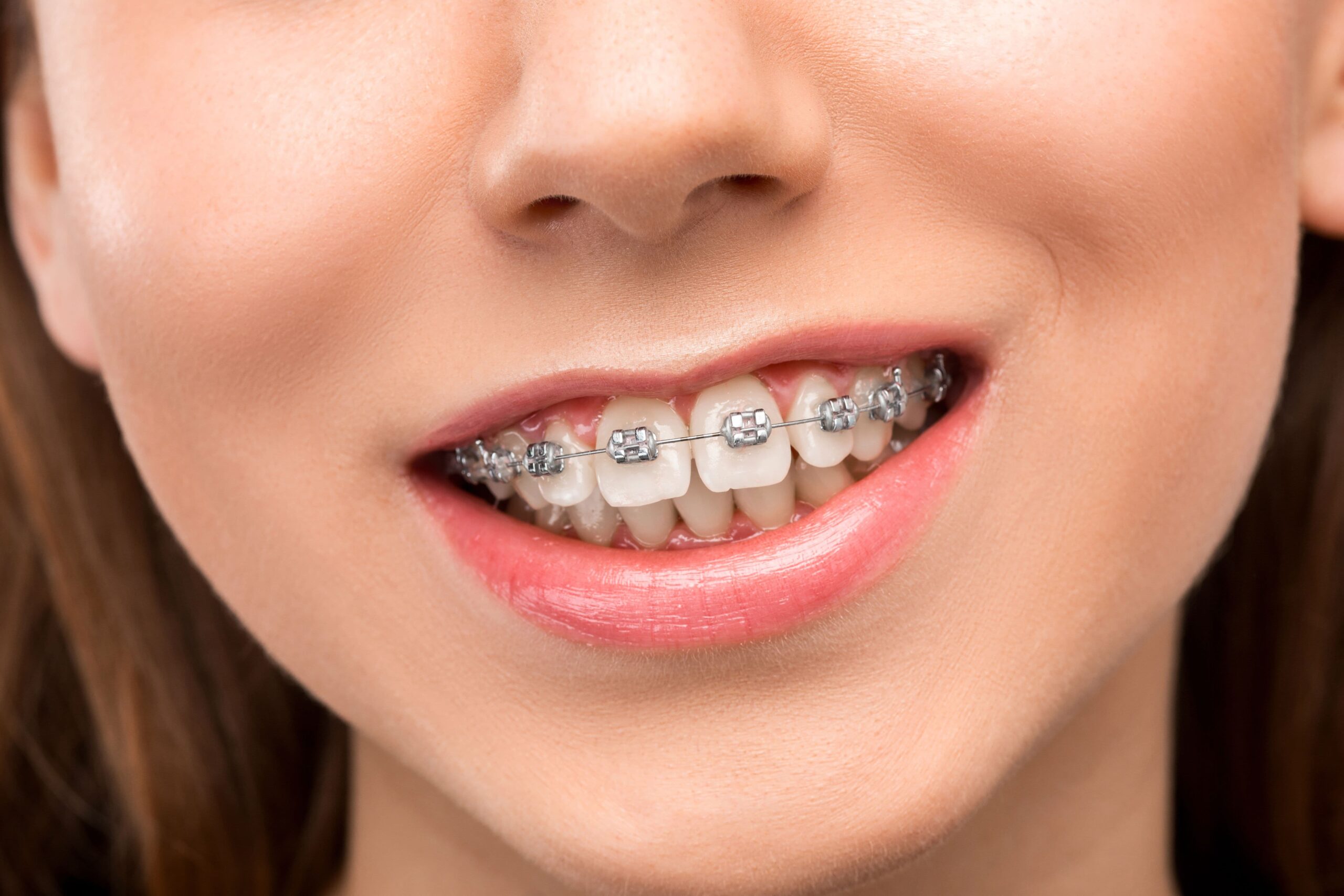
The Mechanics of Freedom: Moving Beyond Elastic Ties
Unlocking the Power of Sliding Mechanics
In traditional orthodontics, the method of securing the archwire to the bracket was often the primary source of inefficiency. Conventional systems rely on "ligation"—using tiny rubber bands (elastics) or fine metal wires to tie the main wire tightly into each bracket slot. While effective at holding the wire, this method creates a significant amount of friction. Imagine trying to drive a car with the handbrake partially engaged; the engine has to work much harder to move the vehicle forward. Similarly, the friction caused by tight elastic ties acts as a brake, requiring the orthodontist to apply heavier forces to overcome the resistance and move the teeth.
The modern approach fundamentally changes this dynamic by replacing the elastic ties with a built-in mechanical door or clip on the bracket itself. This creates a tunnel-like environment where the wire is housed securely but is not aggressively clamped down against the bracket base. Because the wire is free to slide within this enclosure, the friction is dramatically reduced. This "sliding mechanics" approach allows the teeth to glide along the wire with minimal resistance. By eliminating the binding effect of rubber bands, the system allows the natural elasticity of the wire to work more effectively, initiating tooth movement immediately without the need for heavy, uncomfortable pressure.
| Feature Comparison | Traditional Method (Elastic Ties) | Modern Clip System |
|---|---|---|
| Wire Security | Held by rubber bands or metal ties | Secured by a built-in sliding door or clip |
| Friction Level | High (acts like a brake) | Very Low (allows smooth sliding) |
| Hygienic Design | Porous rubber traps food and plaque | Smooth metal/ceramic is easier to clean |
| Movement Style | Requires higher force to overcome drag | Moves with lighter, biologically friendly force |
From Passive Alignment to Active Detailing
One of the most sophisticated aspects of this technology is its ability to adapt to different stages of treatment. In the initial phases, when teeth are crowded or rotated, the primary goal is leveling and aligning. During this time, the system operates in a "passive" mode. A thinner, super-elastic wire is placed into the bracket slot, and the clip is closed. Because the wire is significantly smaller than the slot, it floats freely, exerting very gentle forces to unravel the crowding. This passivity is crucial because it minimizes discomfort and allows the teeth to find their initial alignment without the heavy jolt often associated with traditional tightening.
As treatment progresses and the teeth straighten, the orthodontist switches to thicker, rectangular wires. Here, the system transitions into an "active" phase. The specialized design of the clip—often made from flexible, shape-memory alloys—begins to engage the wire more firmly. Instead of just holding the wire in place, the clip applies a consistent, calibrated pressure to the wire, pushing it into the bracket slot. This engagement is vital for "torque control," which is the precise adjustment of the angle of the tooth root within the bone. By offering both passive low-friction movement for speed and active engagement for precision, this technology provides a comprehensive toolset that manages the entire orthodontic journey from rough alignment to the final, microscopic detailing of the smile.
The Patient Experience: Comfort, Speed, and Hygiene
Why Lighter Forces Mean Faster Movement
There is a common misconception among patients that "tighter" braces mean faster results. In reality, the opposite is often true regarding biological tooth movement. When heavy force is applied to a tooth—typically necessary in traditional systems to overcome friction—it can compress the blood vessels in the periodontal ligament (the tissue connecting the tooth to the bone). If the blood flow is cut off, the tissue effectively goes into shock, and tooth movement temporarily stalls until the body can recover and rebuild the tissue. This "lag phase" can actually extend the overall treatment time.
By utilizing a system that operates with significantly reduced friction, orthodontists can apply much lighter forces that fall within the "optimal biological zone." These gentle forces are sufficient to stimulate bone remodeling but low enough to maintain healthy blood circulation around the tooth root. Because the blood supply is uninterrupted, the cellular activity required to move the tooth continues at a steady, constant pace. This continuous, low-force approach not only helps in potentially shortening the total treatment duration but also drastically improves comfort. Patients often report feeling a sensation of pressure rather than the acute pain associated with traditional tightening adjustments, making the day-to-day experience of wearing braces much more manageable.
A Cleaner, More Comfortable Journey
Beyond the mechanics of movement, the physical design of these brackets offers tangible lifestyle benefits, particularly regarding hygiene and time management. Traditional elastomeric rings are porous; they act like microscopic sponges that absorb saliva, dyes from food, and bacteria. Over time, these rings can become a breeding ground for plaque, increasing the risk of cavities and gum inflammation (gingivitis) during treatment. Furthermore, as the rubber degrades, it loses its grip, requiring frequent replacement.
In contrast, the self-closing clips eliminate the need for these rubber accessories. The brackets are generally smaller with smoother contours, offering fewer crevices for food particles to get trapped. This makes brushing and flossing significantly easier and more effective, promoting better oral health throughout the treatment. Additionally, the efficiency of the "click" mechanism translates to the dentist's chair. Opening and closing the clips to change wires is a rapid process compared to the tedious task of removing and replacing individual rubber bands on every tooth. This efficiency reduces the time a patient has to sit with their mouth open (chair time) and often allows for longer intervals between appointments, as the secure clip mechanism remains active and effective longer than a degradable rubber band.
| Lifestyle Consideration | Impact of Modern System |
|---|---|
| Busy Schedule | High Suitability: Fewer appointments and shorter visits due to rapid wire changes. |
| Pain Sensitivity | High Suitability: Lower friction results in less pressure and reduced soreness. |
| Oral Hygiene | High Suitability: Absence of rubber bands reduces plaque accumulation and simplifies brushing. |
| Aesthetics | Moderate/High Suitability: Smaller bracket profile and no stained rubber bands improve appearance. |
Q&A
-
What are the benefits of Passive Ligature Mechanics in orthodontics?
Passive Ligature Mechanics offer several advantages in orthodontic treatments. They minimize friction between the archwire and brackets, allowing teeth to move more freely and efficiently. This can result in shorter treatment times and less discomfort for patients. Additionally, passive systems can enhance oral hygiene by reducing plaque accumulation compared to traditional ligature systems.
-
How does Active Clip Design contribute to orthodontic treatments?
Active Clip Design in orthodontics refers to brackets that use clips to hold the archwire in place. This design allows for easier wire changes and adjustments, improving clinical efficiency. Active clips can also apply consistent pressure to the archwire, enhancing control over tooth movement and potentially reducing the number of office visits needed for adjustments.
-
In what ways do Reduced Friction Systems impact orthodontic care?
Reduced Friction Systems are crucial in orthodontic care as they facilitate smoother tooth movement by minimizing resistance between the archwire and brackets. This can lead to faster alignment of teeth, reduced overall treatment duration, and potentially less discomfort for patients. These systems also often require less force to achieve desired tooth movements, which can be beneficial for maintaining periodontal health.
-
Why is Low Force Alignment important in orthodontics?
Low Force Alignment is important because it reduces the risk of root resorption and minimizes damage to the periodontal ligament. By using gentler forces, orthodontic treatments can be more comfortable for patients and reduce the likelihood of adverse effects associated with high-force applications. This approach is particularly beneficial for patients with sensitive dental structures or pre-existing periodontal conditions.
-
What role does Archwire Engagement Stability play in orthodontic treatment efficiency?
Archwire Engagement Stability ensures that the archwire remains securely seated within the brackets throughout treatment. This stability is critical for maintaining consistent forces on teeth, leading to more predictable and efficient tooth movement. Proper engagement reduces the need for frequent adjustments, thus decreasing overall chair time and enhancing the treatment experience for both patients and practitioners.