
Balancing Art and Science in Veneer Planning
Creating a seamless blend of beauty and practicality, designing a veneer involves a multifaceted approach that ensures perfect alignment and longevity. The journey from concept to execution integrates advanced digital tools and meticulous evaluation, transforming initial visions into strikingly realistic outcomes and enhancing natural allure.
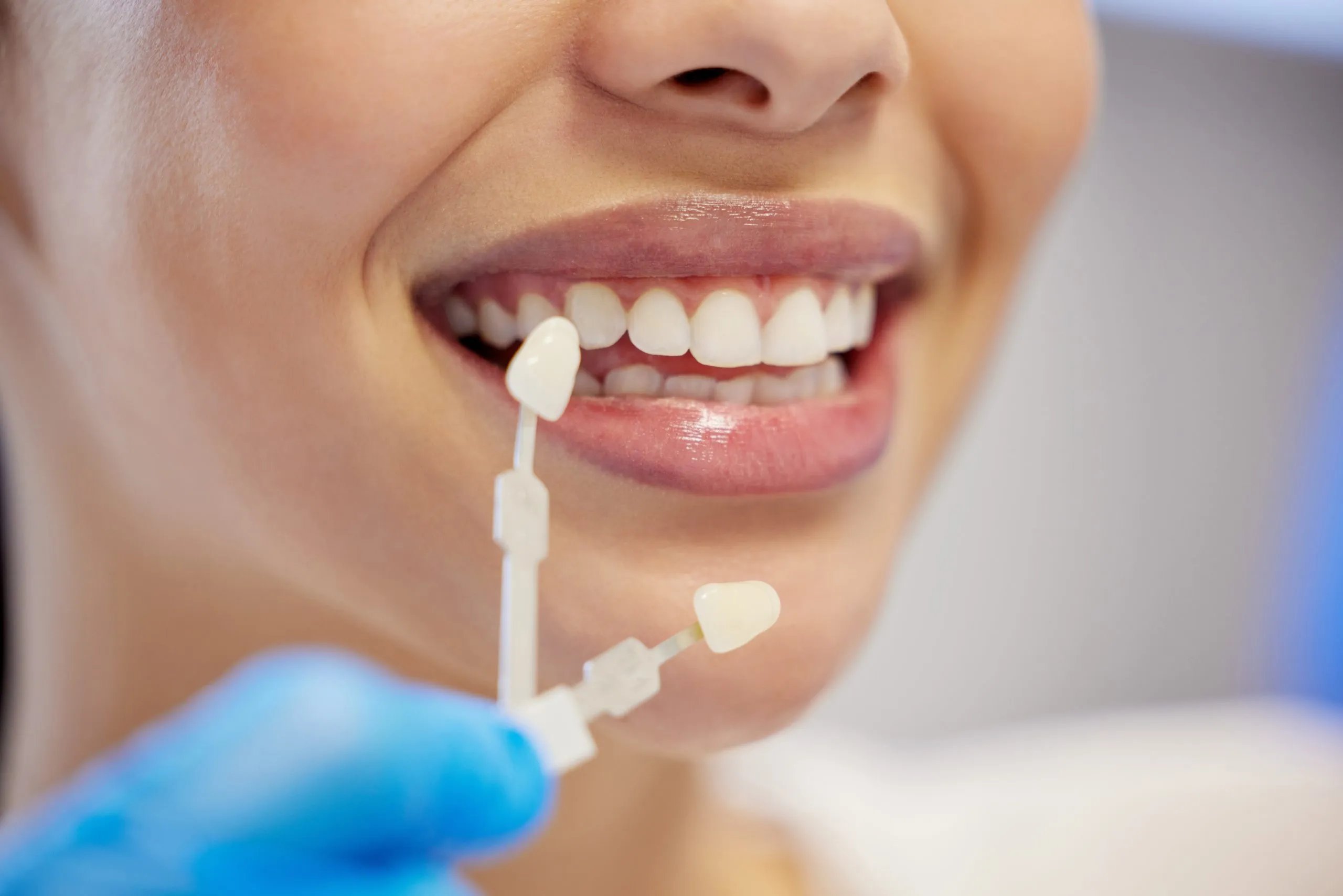
The Architecture of a Natural Smile
Personalized Facial Harmony
In the modern approach to cosmetic dentistry, the era of "cookie-cutter" smiles—where a single, uniform template is applied to every patient—is firmly in the past. True aesthetic success begins with a comprehensive evaluation of the entire face, not just the teeth. This process requires a deep understanding of how facial features interact. Clinicians meticulously analyze the curvature of the lower lip, the height of the cheekbones, and the overall geometry of the face to ensure that the new dental restoration complements the individual’s unique character rather than overpowering it.
The concept of the "smile arc" is central to this phase. It refers to the relationship between the edges of the upper teeth and the contour of the lower lip during a natural smile. If the teeth are arranged in a flat, straight line, the result can look aged or artificial. Conversely, a curve that is too steep might appear aggressive or unnatural. By mapping the facial proportions, dentists can determine the ideal length, width, and angulation of each veneer. This bespoke analysis ensures that the final result enhances the patient's natural features, creating a look that is harmonious and sophisticated. It is about balancing the white aesthetics of the teeth with the dynamic expressions of the face, ensuring that the smile remains authentic whether the patient is speaking, laughing, or at rest.
Integrating Texture and Soft Tissue
Achieving a realistic outcome requires looking beyond the shape of the ceramic and considering the surrounding environment, specifically the gingival architecture or gum line. Even the most beautifully crafted veneers can fail to impress if the gum framing is asymmetrical or excessive. In cases where the gum line is uneven or a "gummy smile" disrupts the balance, the treatment plan often incorporates minor periodontal adjustments. By sculpting the gum tissue to create symmetry, the dentist creates a perfect canvas for the veneers, eliminating visual noise and enhancing the overall impact of the smile.
Furthermore, the material selection plays a pivotal role in mimicking nature. Natural teeth are not monochromatic opaque blocks; they possess translucency, texture, and subtle color gradations. Modern ceramic materials allow for the replication of these intricate details. Technicians can layer porcelain to reflect light in the same way natural enamel does, adding slight surface textures that break up light reflection and prevent the "chiclet" look. This attention to detail extends to the microscopic level, where the interplay of light and shadow creates depth. The goal is to produce a restoration that is indistinguishable from healthy natural teeth, blending seamlessly with the patient's complexion and lip tone.
Engineering Stability and Function
Dynamics of the Bite
While the visual transformation attracts patients to veneer therapy, the long-term success of the treatment relies heavily on the mechanical stability of the bite. A purely cosmetic approach that ignores the forces of occlusion is destined for failure. Therefore, a rigorous assessment of how the teeth contact and move against each other is mandatory before any design work begins. This goes beyond the static bite (clenched teeth) and investigates the dynamic pathways of the jaw during chewing and speaking.
If there are interferences in the bite—points where teeth collide destructively during jaw movement—veneers are at high risk of chipping, cracking, or de-bonding. This is particularly relevant for the canine teeth, which serve as essential guides that protect the back teeth during lateral movements. A comprehensive plan ensures that the new veneers not only look good but also facilitate smooth, unhindered jaw function. By identifying and mitigating these risks early, such as addressing bruxism (grinding) or clenching habits, the dental team can engineer a solution that distributes force evenly. This functional integration turns a fragile cosmetic fix into a durable, long-lasting restoration.
| Feature | Aesthetic-Only Approach | Functional & Aesthetic Approach |
| Primary Focus | Visual symmetry and whiteness | Bite stability combined with beauty |
| Risk Assessment | minimal or superficial | Detailed analysis of jaw movement |
| Long-term Durability | Variable; higher risk of chipping | High; forces are evenly distributed |
| Preparation Style | Often aggressive to correct alignment | Minimal intervention; respects biology |
| Patient Comfort | Potential for bite discrepancies | Natural feel and functional harmony |
Corrective Foundations
In scenarios where the initial alignment of the teeth is poor—such as severe crowding or a deep bite—jumping straight to veneers can be detrimental. To compensate for crooked teeth without moving them, a dentist would have to aggressively grind down healthy tooth structure, compromising the tooth's vitality. Instead, a responsible treatment plan often involves a preparatory phase of orthodontics, such as clear aligners, to move the teeth into the correct position first.
This "form follows function" philosophy dictates that the foundation must be solid before the façade is built. By aligning the teeth properly, the dentist minimizes the amount of drilling required later. Once the teeth are in their optimal positions, the veneers can be made thinner and more uniform, serving as a finishing touch rather than a structural correction. This staged approach might take longer, but it dramatically increases the lifespan of the restoration and preserves the health of the underlying teeth. It ensures that the final result is not just a mask hiding structural issues, but a biologically sound enhancement.
The Philosophy of Minimal Intervention
Preserving Natural Assets
A significant paradigm shift has occurred in cosmetic dentistry, moving away from aggressive reduction towards a philosophy of "less is more." The natural tooth structure is a precious asset that, once removed, can never be regenerated. Consequently, modern veneer protocols prioritize "minimal prep" or "no-prep" strategies whenever possible. This approach is akin to renovating a house by refinishing the surfaces rather than tearing down the walls; it maintains the structural integrity of the tooth while upgrading its appearance.
The biological advantage of this strategy is profound. The bond strength between ceramic and natural enamel is significantly higher than the bond to the underlying dentin. By keeping the preparation within the enamel layer, dentists can achieve adhesion that is incredibly robust and resistant to leakage or failure. This conservative technique reduces postoperative sensitivity and protects the nerve of the tooth. It transforms the procedure from a potentially destructive one into a protective measure, where the veneer acts as a shield for the worn or damaged enamel underneath.
Strength Through Adhesion
Concerns about the durability of ultra-thin veneers are often based on outdated perceptions of dental materials. Advances in materials science have produced ceramics that are as thin as contact lenses (approximately 0.3mm to 0.5mm) yet possess extraordinary strength once bonded to the tooth. When these high-tech ceramics are chemically fused to the enamel, they form a unified structure that restores the tooth's original stiffness and resilience.
The success of these thin restorations lies in the precision of the bonding protocol. It involves a delicate balance of thickness and opacity to mask underlying discoloration without adding unnatural bulk. Because the material is so thin, it does not create a "bulky" feeling for the patient; the tongue adapts almost instantly to the new contours. This synergy of minimal reduction and advanced adhesion technology allows patients to achieve dramatic aesthetic improvements without the fear of compromising their oral health. It represents the ideal marriage of engineering and biology.
Digital Precision and Predictability
Visualizing the Destination
One of the most anxiety-inducing aspects of cosmetic dentistry for patients is the fear of the unknown—worrying that the final result will not match their expectations. Digital technology has revolutionized this aspect of treatment planning by offering high-fidelity simulations before a single tooth is touched. Using specialized software, dentists can superimpose the proposed veneer design onto a high-resolution photo or 3D scan of the patient's face. This allows for a "virtual try-on" where the patient can see how different shapes and lengths affect their overall appearance.
This digital workflow is not merely a sales tool; it is a vital communication bridge. It allows for a collaborative design process where the patient can request specific changes—such as softening a corner or widening a smile—in real-time. Once the design is approved digitally, it can be transferred to a physical "mock-up" made of temporary material. The patient can wear this mock-up in their mouth to test the aesthetics and speech phonetics. This "test drive" ensures that the final ceramic manufacturing is based on a blueprint that has been validated both visually and functionally, eliminating guesswork and ensuring patient satisfaction.
| Dimension | Analog/Traditional Workflow | Digital/Modern Workflow |
| Impression Method | Physical putty (prone to gagging) | 3D Intraoral Scanning (fast & comfortable) |
| Visualization | Wax models or imagination | Realistic screen simulation & mock-ups |
| Accuracy | Subject to material distortion | Micron-level precision |
| Patient Input | Limited until final fit | collaborative design prior to treatment |
| Predictability | Variable based on lab interpretation | High; what you see is what you get |
The End of Uncomfortable Impressions
The comfort and precision of the preparation phase have also been drastically improved by the adoption of intraoral scanners. Gone are the days of tray-filling impression goo that caused gagging and discomfort. Instead, a small wand camera captures thousands of images per second, stitching them together to create a flawlessly accurate 3D model of the patient's teeth and gums.
This digital impression eliminates the inaccuracies caused by air bubbles, drag, or material shrinkage associated with traditional molds. For veneers, where the fit must be exact to prevent bacteria from entering the seam, this level of precision is non-negotiable. The digital file is instantly sent to the laboratory, streamlining communication with the master ceramist. The result is a veneer that fits with definitive accuracy, ensuring a seamless transition from tooth to ceramic that is easy to clean and maintain for decades to come.
Q&A
-
What is Smile Line Analysis and why is it important in dental aesthetics?
Smile Line Analysis involves evaluating the curvature and alignment of the teeth as they relate to the lips and facial features when a person smiles. This analysis is crucial because it helps dental professionals design treatments that enhance the natural harmony and aesthetics of a patient's smile. By understanding the smile line, dentists can ensure that dental restorations or cosmetic procedures complement the patient's overall facial structure, leading to a more pleasing appearance.
-
How does Occlusal Risk Assessment contribute to dental treatment planning?
Occlusal Risk Assessment is the process of evaluating the contact between the upper and lower teeth to identify any potential risks of wear, fracture, or dysfunction. This assessment is vital for treatment planning as it helps in identifying occlusal issues that could compromise the longevity and success of dental restorations. By addressing these risks, dentists can devise strategies to maintain or restore proper occlusion, ultimately enhancing the function and durability of dental treatments.
-
What role does Facial Proportion Mapping play in achieving optimal esthetic outcomes?
Facial Proportion Mapping involves analyzing the relationships between different facial features to ensure symmetry and balance. This process is essential in cosmetic dentistry as it guides the design of treatments that align with the natural proportions of the face. By incorporating facial proportion mapping, dentists can achieve more harmonious and natural-looking results, thereby improving the overall esthetic outcome of dental procedures.
-
How does a Minimal Prep Strategy benefit patients undergoing dental restorations?
A Minimal Prep Strategy focuses on preserving as much of the natural tooth structure as possible during restorative procedures. This approach benefits patients by reducing the risk of tooth sensitivity and maintaining the strength of the natural teeth. Additionally, it often results in less invasive procedures, leading to faster recovery times and a decreased likelihood of complications, while still achieving excellent esthetic and functional results.
-
What is Functional Bite Evaluation and how does it impact dental health?
Functional Bite Evaluation assesses the way the teeth come together during various jaw movements to ensure they function correctly. This evaluation is crucial for diagnosing issues such as temporomandibular joint disorders or uneven wear on teeth. By conducting a functional bite evaluation, dentists can create treatment plans that improve or restore proper bite function, thereby enhancing comfort, reducing pain, and preventing further dental health issues.