
Nurturing Little Smiles: The Essentials of Pediatric Dental Checkups
Even the smallest joys grow brighter when young minds are free to explore their world with confidence, starting with a glowing grin. A solid foundation in oral care ensures that those earliest beams of happiness remain vibrant as they journey through every new adventure life holds.
Establishing a Medical Home for Teeth
The Right Moment for the Debut Appointment
Many parents often wonder when to introduce their little ones to the dental environment. The ideal approach involves scheduling that initial milestone much earlier than commonly assumed. Waiting until a child is in school or, worse, until a problem arises, can create unnecessary anxiety and complicate treatment. The general consensus among pediatric professionals is to arrange a visit shortly after the first tooth erupts or by the first birthday. This early timeline isn't just about examining a single tooth; it is about acclimatization.
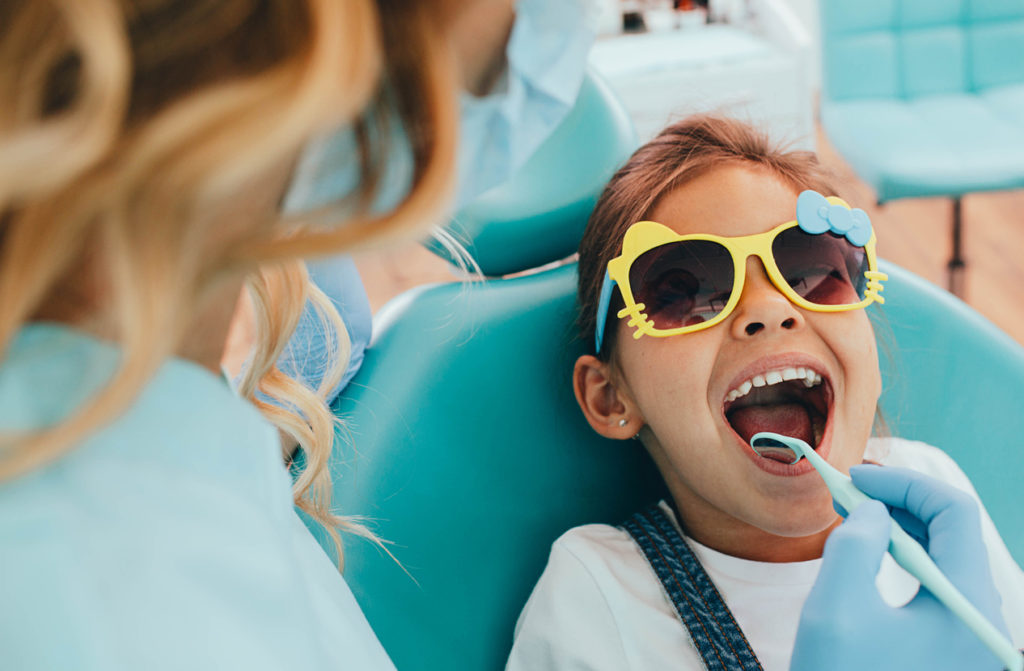
When a toddler visits a clinic while their mouth is healthy and pain-free, the experience is positive. They get to ride in the "chair that goes up and down," meet the friendly staff, and realize that having someone look in their mouth isn't scary. This psychological aspect is crucial. It builds a relationship of trust between the child, the parent, and the provider. These early sessions are often quick and involve a "knee-to-knee" exam where the child sits on the parent’s lap, ensuring they feel safe and secure while the professional takes a quick look.
Furthermore, these early visits serve as a vital information exchange. It is the perfect opportunity to discuss teething, thumb-sucking habits, and bottle usage. By establishing a "dental home" early, parents gain access to tailored advice that adapts as the child grows. It shifts the focus from reactive repair work to proactive wellness, ensuring that the child’s oral development is tracked from the very beginning.
| Scenario | Reactive Approach (Waiting for Pain) | Proactive Approach (Early Routine Visits) |
|---|---|---|
| Child's Emotional State | Fear, anxiety, and association of the dentist with pain. | Confidence, familiarity, and viewing the staff as friends. |
| Treatment Complexity | Often requires invasive procedures, fillings, or extractions. | Focuses on easy, gentle monitoring and minor adjustments. |
| Parental Experience | High stress, potential guilt, and urgent scheduling. | Educational, calm, and planned regular check-ins. |
| Long-term Impact | Higher risk of dental phobia in adulthood. | Foundation for a lifetime of positive health habits. |
Evaluating Decay Probability
Not every child faces the same challenges regarding oral health. Genetics, diet, and saliva composition all play significant roles in how susceptible a child is to cavities. During a checkup, a significant portion of the time is dedicated to a personalized assessment of these risks. This isn't a judgment of parenting skills but a scientific evaluation of the biological and environmental factors at play.
Professionals look at the spacing of teeth, the depth of grooves on the chewing surfaces, and the overall hygiene level. They also consider dietary habits, such as the frequency of snacking on sugary or starchy foods and the consumption of juices or sweetened beverages. Even the bacteria composition in the mouth can vary from child to child. By identifying high-risk factors early, the dental team can customize a prevention plan. This might mean more frequent visits for some children or specific recommendations for at-home paste and tools for others.
Understanding these risks helps parents make informed decisions at the grocery store and during bedtime routines. For instance, knowing that frequent snacking lowers the mouth's pH and attacks enamel can motivate a shift toward scheduled meal times. This assessment transforms the checkup from a simple cleaning into a strategic planning session for the child's future health, aiming to neutralize threats before they turn into cavities.
What Happens in the Chair
Gentle Hygiene and Plaque Removal
While brushing at home is fundamental, professional hygiene sessions provide a level of cleanliness that a toothbrush simply cannot achieve. Children, lacking the manual dexterity of adults, often miss the gum line and the tricky back molars. Over time, plaque in these areas hardens into tartar, which cannot be brushed away and irritates the gums. A professional cleaning gently removes this buildup, resetting the oral environment to a neutral, healthy state.
For children, this process is introduced using "tell-show-do" techniques. The hygienist might introduce the polisher as a "tickle toothbrush" and the suction as a "thirsty straw." This playful narrative helps the child cooperate and even enjoy the sensation of having their teeth polished. The materials used, such as prophylaxis paste, are often flavored to appeal to young palates, making the experience sensory and fun rather than clinical and cold.
Beyond the removal of tartar, this time is used to inspect the integrity of the gum tissue. Healthy gums should be pink and firm, not red or puffy. Inflammation in children can be a sign of inadequate brushing or breathing issues, such as chronic mouth breathing. The cleaning process is thorough yet gentle, ensuring that the enamel is polished and smooth, which makes it harder for new plaque to accumulate immediately after the visit.
Tracking Jaw and Tooth Development
A pediatric checkup extends far beyond looking for holes in teeth; it is a comprehensive review of the entire craniofacial architecture. As a child grows, their jaw expands to accommodate larger adult teeth. Monitoring this growth is critical. Professionals look for signs of crowding, crossbites, or overbites that could cause functional issues later in life.
The primary teeth, or baby teeth, act as placeholders/guides for the permanent teeth developing beneath the gums. If a baby tooth is lost too early due to decay or injury, the surrounding teeth may drift into the empty space, blocking the permanent tooth from erupting correctly. During the exam, the dentist checks the sequence of eruption to ensure everything is on schedule. Delayed eruption or missing teeth can be identified early, allowing for timely interventions like space maintainers.
This ongoing surveillance allows parents to prepare for potential orthodontic needs. Instead of being surprised by a complex bite issue in the teenage years, growth monitoring provides a roadmap. It allows for "interceptive orthodontics"—minor appliances or measures taken while the jaw is still pliable—which can simplify or even eliminate the need for braces later. It views the mouth as a dynamic, changing system that requires guidance to reach its optimal form.
Shielding and Educating for the Future
Mineral Strengthening Applications
Enamel, the outer layer of the tooth, is the hardest substance in the human body, but it is under constant acid attack from bacteria and food. To bolster this natural defense, professionals often utilize mineral applications, specifically fluoride varnish, as a standard part of the pediatric visit. This treatment acts like a shield, remineralizing weak spots in the enamel before they can turn into full-blown cavities.
The application process is swift and painless. The varnish is painted onto the teeth and hardens quickly, releasing minerals over several hours. It is particularly effective for children because their newly erupted permanent teeth are still maturing and are somewhat softer than they will be in adulthood. Providing this extra layer of protection during the cavity-prone years adds a significant safety margin.
Concerns about safety are addressed through precise dosage. In a professional setting, the amount applied is controlled and targeted, minimizing any risk of ingestion while maximizing the topical benefit. It is a highly effective preventive measure, documented to drastically reduce decay rates in populations with varying access to fluoridated water. It serves as a safety net, compensating for those inevitable days when brushing might be rushed or a few too many sweets were consumed.
Teaching Home Habits
The most advanced dental equipment cannot replace the daily habits established at home. Therefore, a substantial component of a pediatric visit is educational. This isn't a lecture; it is an empowerment session for both the parent and the child. For young children, the goal is to make oral care a fun, non-negotiable part of the daily routine. For older children, the focus shifts to autonomy and technique.
Professionals use models and mirrors to show children exactly where the "sugar bugs" hide. They demonstrate circular brushing motions and the proper way to floss, often letting the child hold the mirror to watch. This visual and tactile learning style reinforces the message far better than verbal instructions alone. For parents, the guidance might cover nutritional choices, identifying hidden sugars in "healthy" snacks, and strategies to handle a reluctant brusher.
This educational aspect evolves with the child. A toddler needs help holding the brush, while a ten-year-old needs reminders about consistency. By tailoring the advice to the child's developmental stage, the dental team ensures that the home care routine is effective and sustainable. The ultimate goal is to graduate a young adult who values their oral health and possesses the skills to maintain it independently.
| Developmental Stage | Child's Role | Parent's Role |
|---|---|---|
| Infant to Toddler (0-3 Years) | Get used to the sensation of a brush or cloth; allow the cleaning. | Perform all brushing and flossing; control diet and bottle usage. |
| Preschool (3-6 Years) | "Help" brush first to learn the motion; spit out toothpaste. | Finish the job with a thorough brushing; supervise amount of paste used. |
| School Age (6-10 Years) | Brush independently with supervision; begin to floss. | Inspect cleanliness after brushing; monitor snacking habits. |
| Adolescence (11+ Years) | Full responsibility for daily hygiene routine. | Provide tools (floss, fresh brushes); schedule professional checkups. |
Q&A
-
When should a child have their first dental visit?
A child's first dental visit should occur by their first birthday or within six months after their first tooth appears. This early visit allows the dentist to examine the child's dental development and establish a preventive care routine. -
How often should children receive regular dental cleanings?
Children should have regular dental cleanings every six months. Regular cleanings help prevent cavities and gum disease and allow the dentist to monitor the child's oral health and development. -
What is involved in a cavity risk assessment for children?
A cavity risk assessment evaluates factors such as diet, oral hygiene habits, fluoride exposure, and family history of dental issues to determine a child's risk of developing cavities. This assessment helps in creating personalized preventive strategies. -
Why is monitoring dental growth important for children?
Monitoring dental growth is crucial as it helps identify any developmental issues early on. It ensures that teeth are erupting properly and that the child's jaw is developing correctly, which can prevent future orthodontic problems. -
What role does fluoride treatment play in children's dental care?
Fluoride treatment strengthens tooth enamel, making it more resistant to decay. For children, fluoride treatments can significantly reduce the risk of cavities and are often recommended during regular dental visits as part of a comprehensive preventive care plan.