
Navigating the Maze of Denture Costs and Coverage
Navigating the journey to restore a healthy smile involves not only choosing the right options but also understanding the financial implications. From intricate dental procedures abroad to transparent local pricing, exploring diverse paths can help in making informed and cost-effective decisions for oral health solutions.
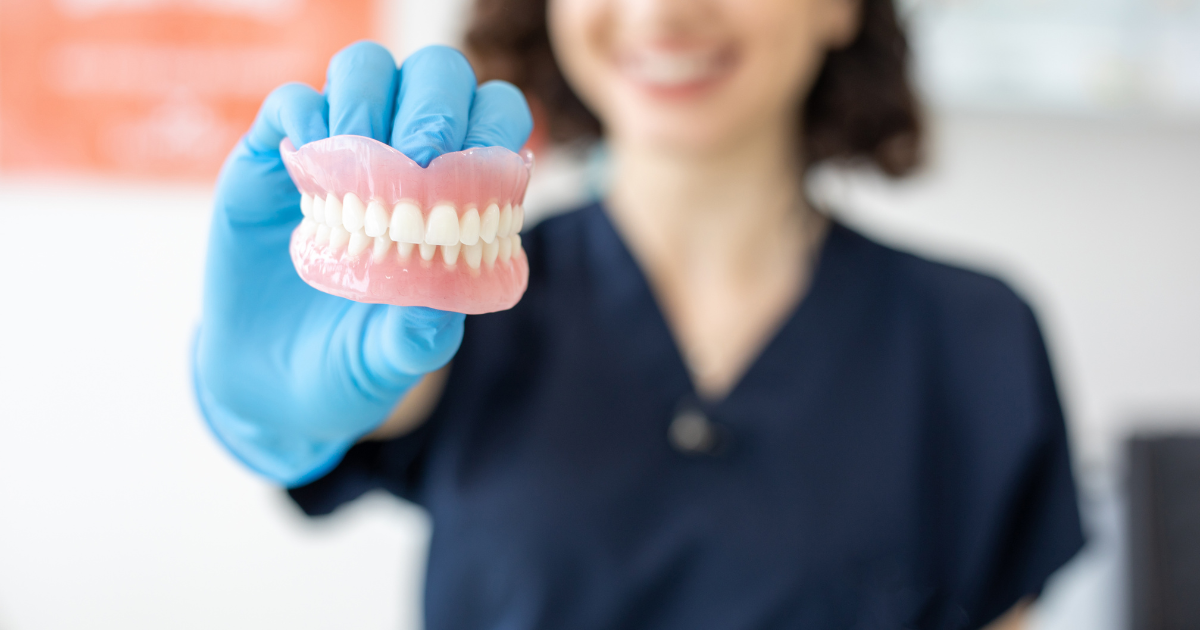
Deciphering the Valuation of Dental Restorations
When evaluating the investment required for a renewed smile, the comparison between replacing a few teeth versus an entire arch is rarely a straightforward calculation. Many patients assume that fewer artificial teeth equate to a significantly lower bill, but the engineering required for oral appliances is far more nuanced. The final price tag is a reflection of material science, clinical precision, and the customization necessary to ensure the prosthetic functions like a natural part of the human body. Understanding the breakdown of these costs is the first step toward making a decision that balances fiscal responsibility with physical comfort.
The Economic Variables of Partial Solutions
Partial restorations rely heavily on the health and stability of the remaining natural teeth, creating a symbiotic relationship that directly influences cost. Unlike a complete set, a partial appliance must be intricately designed to clasp onto specific anchor teeth without causing them damage over time. This introduces a layer of complexity regarding the "path of insertion"—the specific angle at which the device enters the mouth and locks into place. The design process often involves surveying the remaining teeth to determine if they require modification or restoration, such as crowns, to serve as reliable abutments. Consequently, the bill often includes not just the prosthetic itself, but the preparatory work required to ensure the biological foundation is sound.
Furthermore, the materials chosen for the framework significantly sway the financial outcome. Traditional metal frameworks are generally durable and thinner, offering a distinct sensory experience, but they may be visible when smiling. On the other hand, flexible thermoplastics or metal-free options offer superior aesthetics and blend seamlessly with the gum tissue, but they often come at a premium due to the specialized lab work involved. Patients must also consider the long-term biological costs; if a supporting tooth succumbs to decay or periodontal disease later, the entire appliance may need to be remade or significantly altered. Therefore, when budgeting for partials, one is paying for a custom-engineered device that must harmonize with a changing biological environment, rather than a static product.
The Financial Architecture of Complete Sets
The transition to a full arch replacement represents a shift from preserving existing structures to recreating an entire functional system. The primary cost driver here is the sheer volume of materials and the artistic labor required to simulate natural gum tissue and tooth enamel. However, the most critical—and often most expensive—component is the expertise required to achieve "suction" and stability. Without natural teeth to anchor the device, the prosthetic must rely on the precise topography of the jawbone and soft tissue for retention. This necessitates a series of highly accurate impressions and "try-in" appointments to calibrate the bite, ensuring that the upper and lower jaws meet perfectly to prevent tipping or sore spots.
Beyond the device itself, the timeline of treatment can introduce significant expenses. If extractions are necessary, the patient often requires an "immediate" or temporary set to wear while the gums heal and reshape over several months. These interim devices allow the patient to maintain dignity and function but are essentially a separate line item from the final, permanent set. The "permanent" set is then fabricated once the oral tissues have stabilized. High-end options may also incorporate reinforced mesh or specialized acrylics that resist impact, adding to the initial outlay but potentially reducing repair costs down the line. Ultimately, the investment in a complete set is an investment in the engineering of bite force distribution and facial support.
| Feature Category | Economy/Standard Considerations | Premium/Custom Considerations |
|---|---|---|
| Aesthetics & Finish | Standard tooth shapes and monochromatic gum acrylics. Functional but may look "uniform." | Polished, multi-layered acrylics mimicking natural gum vascularization. Hand-set teeth for individual character. |
| Fit & Comfort | Relies on basic suction and standard molding. May require adhesives for stability. | Neuromuscular-based fitting. High-impact materials that conduct heat/cold for better taste sensation. |
| Durability | Standard acrylic teeth that may wear down faster, requiring sooner replacement. | Hardened composite or porcelain teeth highly resistant to staining and wear. |
| Process | Fewer appointments; often "off-the-shelf" components adapted to fit. | Multiple "try-in" sessions to perfect speech and facial profile before finalization. |
The Reality of Insurance and Benefit Plans
For many, the first line of defense against high dental bills is insurance, yet this system is notoriously complex and often misunderstood. Unlike medical insurance, which is designed to cover unpredictable catastrophic events, dental coverage is better viewed as a prepaid benefit with strict utilization limits. Most plans operate on a tiered structure where preventive care is covered at a high percentage, but restorative procedures—where prosthetics fall—are covered at a significantly lower rate. Understanding the "fine print" regarding classifications and caps is essential to avoid "sticker shock" at the checkout counter.
Classification Limits and the "Medically Necessary" Threshold
Insurance carriers categorize treatments based on strict codes, and prosthetics are typically classified as "Major" procedures (often Class III). While a plan might cover 100% of a cleaning, it frequently covers only 50% of a major restoration, and even then, only up to the "Usual, Customary, and Reasonable" (UCR) fee set by the insurer for that specific zip code. If a dentist's fee reflects their high level of experience or use of premium labs, and exceeds the insurer's UCR, the patient is responsible for the difference. Furthermore, insurers draw a hard line between "medically necessary" function and "cosmetic" enhancement. A policy may pay for a standard functional appliance but will deny coverage for characterization, high-end ceramic teeth, or precision attachments intended purely for aesthetics, leaving those upgrades as 100% out-of-pocket expenses.
Another critical financial trap lies in the "annual maximum"—the ceiling on what the insurer will pay in a given year. Because prosthetic work is expensive, a single course of treatment can easily exhaust a patient's entire annual allowance ($1,000 to $2,000 is common). Once this cap is hit, all subsequent costs, including adjustments or necessary extractions, fall entirely on the patient. Additionally, many private plans enforce a "waiting period" for major work, meaning a new subscriber might have to pay premiums for 6 to 12 months before they are eligible to claim any benefits for restorations. Patients must meticulously review their policy documents to determine if their "missing tooth clause" prevents coverage for replacing teeth that were lost before the policy started.
Strategic Use of Networks and Negotiated Rates
One of the most effective ways to mitigate costs is to leverage the power of Provider Networks, specifically Preferred Provider Organizations (PPOs). In these arrangements, dentists within the network agree to a fee schedule negotiated by the insurance company, which is significantly lower than their standard "street rates." By visiting an in-network provider, a patient not only benefits from the insurance percentage coverage but also from the initial price reduction. This contractually prevents the dentist from "balance billing" the patient for the difference between their standard fee and the negotiated rate, providing a layer of price protection that is absent when seeing out-of-network providers.
Beyond standard insurance, there is a growing trend of supplemental benefits found in Medicare Advantage plans or retiree health packages. Recognizing the link between oral health and systemic conditions like heart disease and diabetes, these comprehensive wellness plans are increasingly bundling dental benefits that go beyond basic cleanings. They may offer allowances specifically for restorative services to maintain nutrition and quality of life for seniors. While these allowances may not cover a luxury set of teeth, they can significantly offset the cost of standard care. Checking for these "embedded" benefits in general health policies is a crucial step for older adults planning their oral health budget.
Alternative Financial Avenues and Global Options
When insurance caps are reached or coverage is unavailable, the financial burden does not have to result in compromised care. The modern dental market has evolved to offer a variety of funding structures designed to make high-value treatments accessible to a broader demographic. From membership economies within local clinics to the expansive opportunities of medical travel, patients today have more leverage than ever to find a price point that aligns with their budget without sacrificing clinical outcomes.
Structured Payment Plans and In-House Memberships
To bridge the gap between the cost of care and immediate liquidity, many dental practices now partner with third-party financing companies. These specialized lenders focus specifically on healthcare expenses, offering credit lines that allow patients to amortize the cost of treatment over 12, 24, or even 60 months. The most attractive feature of these plans is often the introductory interest-free period, which allows patients to pay off the balance without penalty if managed correctly. This transforms a daunting lump-sum payment into a manageable monthly operating expense, similar to a utility bill or car payment.
Simultaneously, the rise of "In-House Dental Membership Clubs" offers a compelling alternative to traditional insurance. In this model, patients pay a monthly or annual subscription fee directly to the practice. In return, they receive preventive care at no extra cost and substantial discounts (typically 15-20%) on major restorative procedures. Unlike insurance, these memberships have no waiting periods, no deductibles, no claims to file, and no annual maximums. This transparency is particularly appealing for patients who know they need significant work; the math often shows that the subscription fee pays for itself with the savings from a single major procedure. It re-establishes the direct relationship between doctor and patient, removing the administrative friction and arbitrary denials of corporate insurance.
The Viability of International Dental Care
For those facing extensive restorative needs where local quotes are prohibitive, "Dental Tourism" has emerged as a sophisticated and viable economic alternative. By traveling to countries with lower costs of living and operational overhead, patients can often secure treatment for a fraction of the domestic price—sometimes saving 50% to 70%. This arbitrage is not about lower quality; many international clinics catering to medical tourists utilize the exact same top-tier materials (titanium, zirconia, high-impact acrylics) and digital scanning technologies found in Western nations. The savings come primarily from reduced labor costs, real estate, and liability insurance expenses in the destination country.
These international hubs have streamlined the patient experience into "all-inclusive" packages that cover not just the clinical procedure, but also logistics such as airport transfers, hotel accommodation, and sometimes even local tourism. For a patient requiring a full mouth restoration, the savings can be substantial enough to cover the cost of a vacation and still retain a surplus compared to local fees. However, this route requires diligence: researching the provider's credentials, understanding the recourse for complications, and planning for follow-up care are vital. Yet, for the budget-conscious consumer willing to travel, it opens the door to premium care that might otherwise be financially out of reach.
| Decision Factor | Local Dental Network Plans | Independent Financing & Membership | Dental Tourism (International) |
|---|---|---|---|
| Primary Financial Benefit | Reduced rates via negotiated contracts; utilizes employer benefits. | Spreads cost over time (monthly payments) or creates direct discounts. | Significant reduction in total lump-sum price (High ROI for major work). |
| Speed of Treatment | Subject to waiting periods and appointment availability. | Immediate start (no waiting periods); pace determined by biology. | Accelerated/condensed timeline; work completed in days/weeks. |
| Complexity Handling | Best for routine maintenance and standard prosthetics. | Flexible; covers any treatment the dentist offers without "denials." | Ideal for complex, full-mouth restorations where savings are maximized. |
| Risk & Aftercare | Low risk; easy access to adjustments and follow-ups close to home. | Low risk; establishes a long-term relationship with a local provider. | Moderate risk; requires travel for adjustments or repairs if issues arise. |
Q&A
-
What is the average cost of full dentures in English-speaking countries?
The average cost of full dentures can vary significantly depending on the region and the materials used. Generally, you can expect to pay between $1,000 to $3,000 per denture arch. Premium dentures made from high-quality materials may cost upwards of $5,000. It's important to consult with a dental professional to get an accurate estimate based on your specific needs.
-
How much does a set of partial dentures typically cost?
Partial dentures are generally less expensive than full dentures. On average, partial dentures can range from $500 to $1,500 per arch. The price may vary based on the complexity of the design and the materials used. It's advisable to discuss with your dentist to determine the best option for your dental condition and budget.
-
Does insurance typically cover the cost of dentures?
Many dental insurance plans offer some coverage for dentures, but the extent of the coverage can vary. Typically, insurance may cover 15% to 50% of the total cost, depending on the plan. It is crucial to review your specific insurance policy and discuss with your provider to understand what is covered and any out-of-pocket expenses you might incur.
-
What are dental discount plans, and how can they help reduce the cost of dentures?
Dental discount plans are membership-based programs that offer discounts on various dental services, including dentures. These plans are not insurance, but they can provide significant savings, often between 10% to 60% off standard dental fees. Enrolling in a dental discount plan could be a cost-effective way to manage the expenses associated with dentures.
-
What financing options are available for dentures, and how do they work?
Financing options for dentures often include payment plans offered by dental offices, healthcare credit cards, or personal loans. Many dental practices collaborate with third-party financing companies to provide patients with flexible payment arrangements. This allows patients to pay for their dentures over time, making it more manageable to afford the necessary dental care without paying the entire cost upfront.