
Unraveling Orthodontic Discomfort: From Bracket Friction to Aligner Tightness
The intricate path to dental alignment often leads to transient discomfort as pressure shifts and structures adapt. Balancing enhancement with well-being requires understanding varying levels of strain and the body's inflammatory response, providing key insight into achieving a harmonious transformation.
The Invisible Mechanics of Resistance
The Hidden Brake Within the Brackets
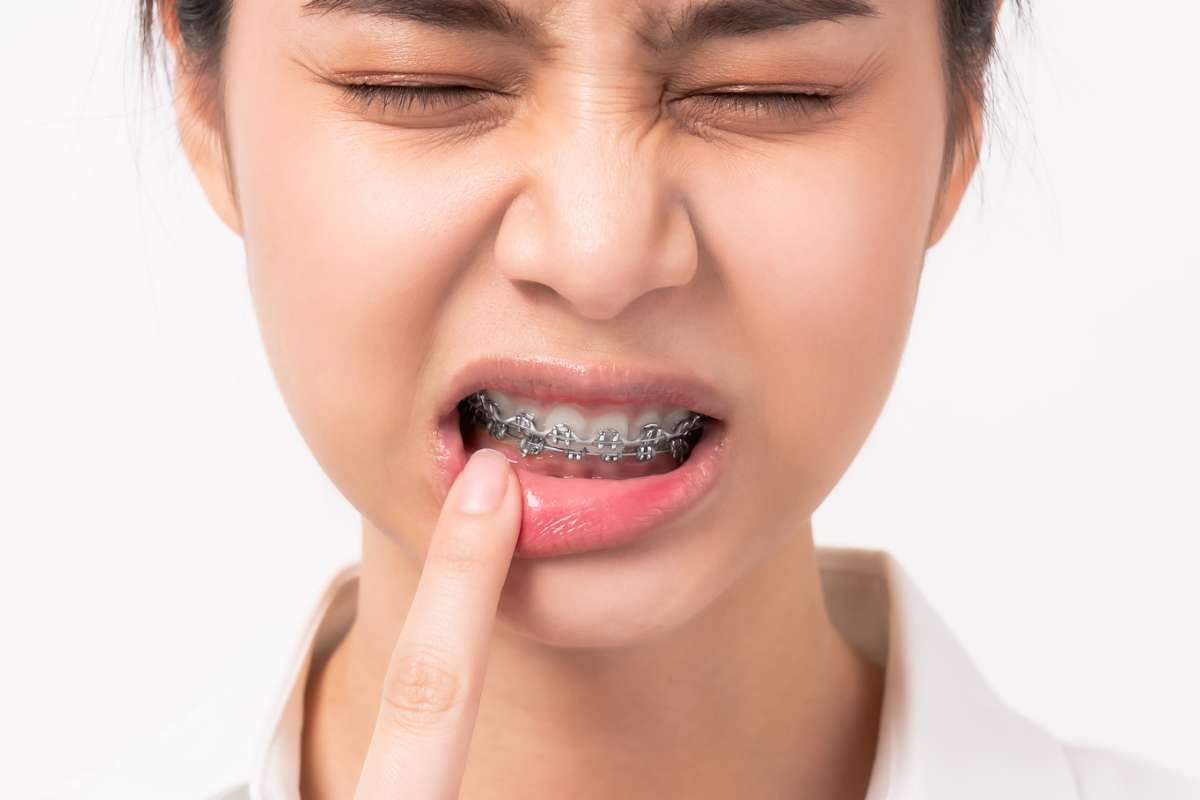
In the world of traditional orthodontics, a significant portion of the discomfort patients experience stems from the physical interaction between the brackets bonded to the teeth and the archwires that run through them. This interaction creates a phenomenon known as sliding resistance, or friction. To move a tooth, the wire must slide through the bracket slot, guiding the tooth to its new position. However, this process is rarely frictionless. Engineering studies suggest that a substantial amount of the force applied by the orthodontist—sometimes up to 40%—can be lost to friction before it even begins to move the tooth. Consequently, to overcome this "invisible brake," practitioners often have to apply a higher initial force. It is this surplus force, necessary to counteract friction, that often translates into increased pressure on the tooth and the surrounding biological tissues, leading to the soreness patients feel after an adjustment.
Several factors contribute to the intensity of this friction. The method used to secure the wire plays a pivotal role. Traditional ligation, which uses small rubber bands or thin steel ties to bind the wire tightly to the bracket, provides excellent control but generates significant friction. In contrast, self-ligating brackets, which feature a built-in "door" or clip to hold the wire loosely, have been shown to reduce this friction, potentially allowing for smoother movement with less applied force. Furthermore, the environment inside the mouth complicates matters. While one might assume saliva acts as a lubricant, in the microscopic gap between metal alloys, saliva can actually increase drag due to surface tension. Additionally, as wires remain in the mouth, their surfaces can become roughened by chewing and chemical exposure, creating a sandpaper-like effect that further impedes sliding. Understanding that this mechanical resistance exists helps patients realize that the pressure they feel is part of a complex physical equation designed to overcome static inertia.
The Biological Symphony of Movement
Decoding the Tightness of Clear Aligners
For patients utilizing removable clear aligners, the sensation of discomfort manifests differently than with braces, often described as a comprehensive "squeezing" sensation. When a patient switches to a new tray, they often experience an immediate, tight grip across the entire dental arch. This tightness is not a sign of a manufacturing error or an ill-fitting device; rather, it is the fundamental mechanism of the treatment in action. Aligners work by creating a mismatch between the current position of the teeth and the target position for that specific stage. The plastic tray is engineered to be slightly different from the actual dental arrangement, storing elastic energy that exerts a continuous, gentle push against the teeth.
This sensation of compression is the biological "green light" for tooth movement. It signifies that the appliance is engaging with the teeth and delivering the necessary force to initiate change. Typically, this feeling is most intense during the first few days of a new tray. As the teeth gradually migrate into the space provided by the aligner, the pressure subsides, and the tray begins to feel passive. This reduction in pressure does not mean the treatment has stopped working; it indicates that the biological response has successfully occurred, and the teeth have "caught up" to the aligner’s shape. Reframing this tightness from a negative pain signal to a positive indicator of progress can significantly alter a patient's psychological experience of the treatment. It serves as tactile feedback that the energy stored in the aligner is effectively being transferred to the dental roots.
Fluid Dynamics and Neural Alarms
The dull ache or "floating" sensation that accompanies orthodontic force is deeply rooted in the anatomy of the tooth's support system, specifically the Periodontal Ligament (PDL). The PDL is a soft, vascular tissue filled with collagen fibers and fluids that connects the tooth root to the jawbone, acting as a shock absorber during chewing. When orthodontic force is applied, the tooth compresses the PDL against the adjacent bone wall. This compression causes an immediate shift in the fluids within the ligament space. This hydrodynamic change creates a pressure buildup that stimulates specific nerve endings, known as nociceptors, which are responsible for detecting potentially harmful stimuli.
Simultaneously, a complex chemical cascade begins. The physical stress on the cells within the PDL triggers the release of signaling molecules and inflammatory mediators. These chemical messengers sensitize the nerve fibers, lowering their threshold for firing, which is why teeth feel sore even with light pressure, such as chewing soft food. This is a sterile inflammatory response—a necessary biological step for tooth movement. The peak of this discomfort usually correlates with the height of the inflammatory phase, typically occurring 24 to 48 hours after an adjustment. As the body recruits cells to remodel the bone and relieve the pressure in the PDL, the fluid dynamics normalize, and the pain signals diminish.
| Phase of Movement | Sensation Experienced | Biological Activity |
| Initial Application (0-4 Hours) | Tightness, pressure, "squeezing" | Compression of the Periodontal Ligament (PDL); fluid displacement within the tissue space. |
| Peak Reaction (24-48 Hours) | Dull ache, sensitivity to biting, soreness | Maximum release of inflammatory mediators (cytokines, prostaglandins); nerve fibers become hypersensitive. |
| Adaptation (3-7 Days) | Decreasing pressure, intermittent sensitivity | Bone remodeling begins (osteoclasts break down bone); inflammation subsides; blood flow normalizes. |
| Stabilization (1+ Weeks) | Neutral sensation, tray feels "loose" | Cellular repair and bone formation (osteoblasts); the tooth settles into the new position. |
Optimizing the Transformation Process
The Delicate Balance of Applied Force
There is a common misconception that applying stronger force will result in faster tooth movement. However, modern orthodontic science suggests the opposite is often true. The goal is to apply the "optimal" force—a pressure level that is high enough to stimulate cellular activity but low enough to maintain vitality in the surrounding tissues. If the force applied is too heavy, it can completely collapse the blood vessels within the PDL, cutting off the oxygen supply to the cells. This leads to a localized tissue death known as "hyalinization." When this occurs, the body must first remove the damaged tissue before tooth movement can resume, effectively stalling progress and causing significant pain.
Conversely, lighter, continuous forces allow the blood capillaries to remain open, sustaining the cellular workforce required to remodel the bone. Under these ideal conditions, specialized cells called osteoclasts are recruited to gently dissolve the bone in the direction of movement, while osteoblasts build new bone behind the tooth to stabilize it. This "push-and-pull" dynamic requires a functioning blood supply to transport the necessary nutrients and cells. By using lighter forces—often achieved through modern wire alloys or carefully calibrated aligner steps—orthodontists can reduce the patient's pain perception by a significant margin while actually increasing the efficiency of tooth movement. This approach respects the biological limits of the body, proving that in orthodontics, patience and precision yield better results than brute strength.
The Medication Dilemma and Management
Managing the discomfort of orthodontic treatment often involves a decision regarding over-the-counter pain relievers, but this choice carries a biological trade-off that patients should understand. As established, tooth movement relies on a controlled inflammatory process. Key to this process are prostaglandins, chemical mediators that stimulate the cellular activity necessary for bone remodeling. The paradox lies in the mechanism of common Non-Steroidal Anti-Inflammatory Drugs (NSAIDs), such as ibuprofen or aspirin. These medications work specifically by blocking the enzymes that produce prostaglandins.
While this makes NSAIDs highly effective at stopping pain, theoretically, their potent anti-inflammatory action could inhibit the very mechanism required to move teeth. Some studies suggest that chronic use of strong NSAIDs might slow down the rate of tooth movement by dampening the bone remodeling cycle. For this reason, many dental professionals recommend analgesics that work centrally on the nervous system to block pain signals without significantly reducing inflammation at the site of the tooth. However, this does not mean patients must suffer in silence. If pain is severe enough to affect sleep or nutrition, the resulting stress on the body can be detrimental. The consensus is generally to use medication judiciously—perhaps only during the peak discomfort of the first 24 to 48 hours—rather than as a preventative, continuous measure.
Practical Strategies for the Adjustment Phase
Adapting Lifestyle to Physiology
Navigating the days following an adjustment or a tray change requires a temporary shift in lifestyle habits to accommodate the heightened sensitivity of the mouth. The most immediate and effective change is dietary. During the peak inflammatory phase, the periodontal fibers are hyper-responsive to pressure. Chewing fibrous vegetables, tough meats, or crusty bread acts as a repeated physical trauma to these sensitized structures, prolonging the pain cycle. Adopting a "soft food protocol" isn't just about comfort; it is about providing the tissues the rest they need to recover. Foods that require little to no mastication—such as yogurts, blended soups, and risottos—allow the patient to maintain nutritional intake without aggravating the dental support system.
Beyond diet, maintaining impeccable oral hygiene becomes even more critical, though it may be tempting to skip brushing when gums are sore. Plaque accumulation leads to gingivitis, an infection-driven inflammation that compounds the sterile inflammation caused by the orthodontic force. This "double inflammation" can significantly increase pain levels. Using a soft-bristled brush and employing gentle, circular motions ensures the area remains clean without traumatizing the tissues. Additionally, simple home remedies like saltwater rinses can be surprisingly effective. The saline solution exerts a mild osmotic effect that can reduce swelling in the gum tissues and soothe mucous membranes. By combining these physical adaptations with an understanding of the biological process, patients can navigate the initial discomfort with greater ease and confidence.
Q&A
-
What role does bracket friction play in orthodontic treatment?
Bracket friction is a crucial factor in orthodontic treatment as it affects the movement of teeth. High friction between brackets and archwires can slow down tooth movement, making the treatment less efficient. Orthodontists often select materials and techniques that minimize friction to enhance treatment outcomes and reduce discomfort for the patient.
-
How is archwire adjustment related to orthodontic progress?
Archwire adjustment is essential for the progression of orthodontic treatment. By periodically adjusting the archwire, orthodontists apply controlled forces to the teeth, guiding them into the desired positions. This adjustment is critical for correcting misalignments and achieving the planned treatment goals.
-
What happens during the compression of the periodontal ligament (PDL)?
During orthodontic treatment, compression of the periodontal ligament (PDL) occurs when pressure is applied to a tooth. This compression is a natural response to the force exerted by braces or aligners, leading to bone remodeling and allowing the tooth to move. Understanding PDL compression is key to ensuring safe and effective tooth movement.
-
Why is aligner tightness important in orthodontic treatment?
Aligner tightness is vital because it determines the efficacy of the aligners in moving teeth. Properly fitting aligners apply the necessary force to teeth, facilitating gradual movement. If aligners are too loose, they may not provide sufficient pressure, hindering treatment progress.
-
How effective are NSAIDs in managing pain during orthodontic treatment?
Nonsteroidal anti-inflammatory drugs (NSAIDs) are commonly used to manage pain associated with orthodontic treatment. They are effective in reducing inflammation and alleviating discomfort caused by the pressure and movement of teeth. However, it is important to use them as directed by a healthcare provider to avoid potential side effects and ensure optimal pain management.