
The Journey to Perfectly Fitting Dentures: Adjustments and Beyond
Achieving well-fitting dentures is a delicate harmony of art and science, requiring careful adjustments to ensure ultimate comfort. Initial fittings often reveal pressure points or misalignments that, when addressed, not only enhance stability and functionality but also alleviate discomfort and prevent associated oral health complications.
Navigating the Initial Break-in Period
Managing New Sensations and Soft Tissue Sensitivity
When you first place a new prosthetic appliance into your mouth, the sensation can be overwhelming. It is quite common to feel as though your mouth is completely full, similar to holding a large piece of hard candy that never dissolves. Your body may also react to this foreign object by producing excess saliva. These are natural physiological responses as your brain attempts to interpret the new environment within the oral cavity. It takes time for the neuromuscular system to accept this new state as the "new normal." Therefore, approaching this phase with patience and a relaxed mindset is crucial. Expecting instant perfection can lead to unnecessary frustration; instead, view it as a gradual acclimation process.
As you begin to eat and speak, you will likely encounter specific areas of tenderness. The gums are composed of delicate, soft mucous membranes, yet they are tasked with supporting a hard, rigid structure. When chewing force is applied, pressure can concentrate on specific high spots, creating a sensation very similar to a blister forming from new shoes. This does not necessarily mean the fabrication was flawed; rather, it highlights the dynamic nature of the mouth in motion versus the static nature of the impression taken at the clinic. If you experience sharp pain, it is a clear signal that the fit needs modification. It is vital not to "tough it out" or endure the pain silently, as this can lead to deeper tissue damage. Identifying these sore spots is the first step toward a customized, comfortable fit.
The Precision of Professional Fine-Tuning
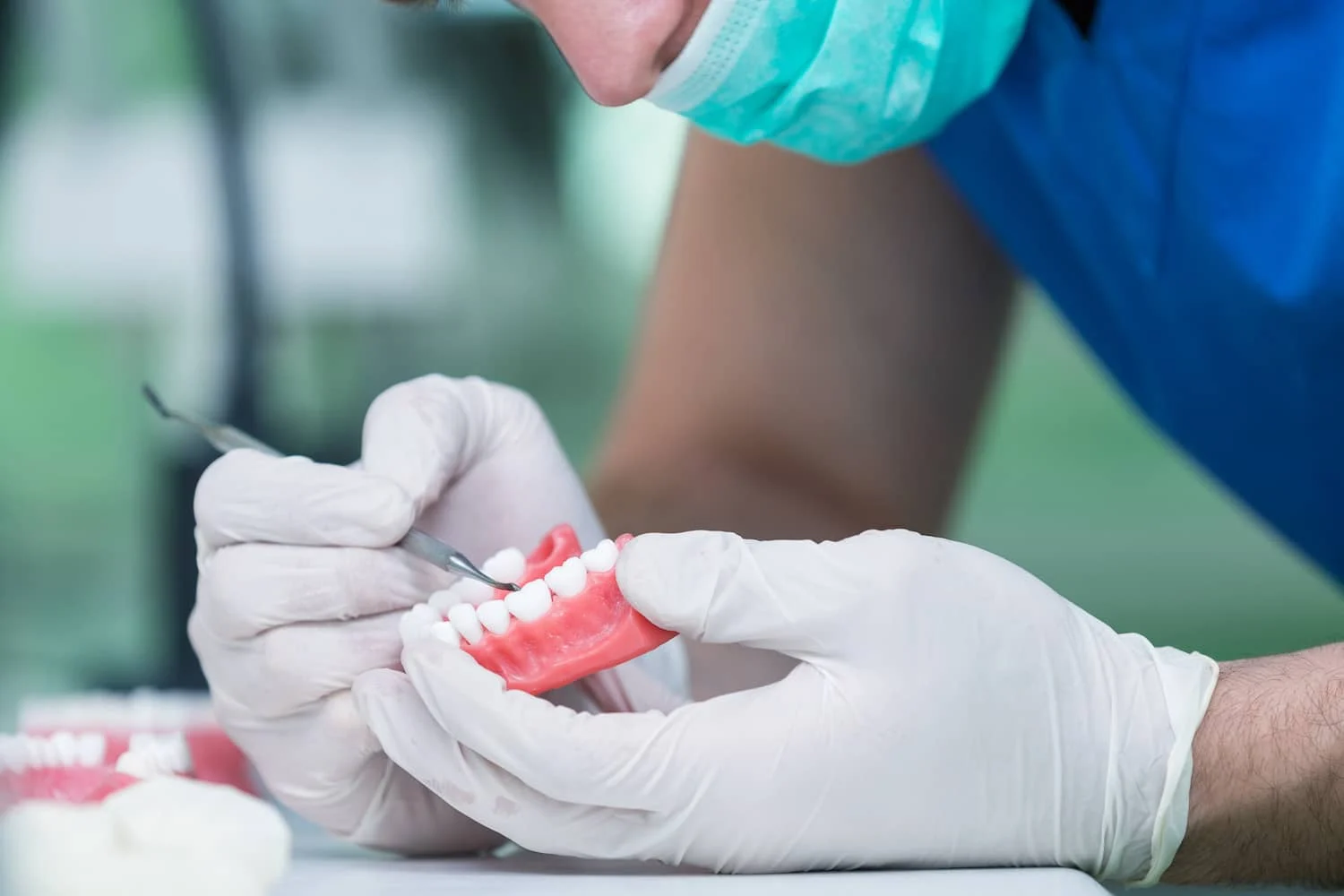
Resolving the specific pressure points that cause pain is a task that requires a high degree of precision and can be described as an artistic endeavor. The difference between a painful bite and a comfortable one is often measured in microns—sometimes removing just a hair's breadth of acrylic is enough to provide instant relief. This process involves more than simply grinding away the material where it hurts; the clinician must balance the entire occlusion (the way teeth meet) to ensure forces are distributed evenly across the dental arch. If one area is reduced too aggressively, it can shift the burden to another area, causing new sores or causing the appliance to lose its suction and stability.
Because of the intricate balance required, self-adjustment using store-bought files or sandpaper is strongly discouraged. DIY attempts often ruin the suction seal or damage the delicate contours essential for retention. Professional adjustments involve using pressure-indicating pastes that mark the exact contact points on the denture base when you bite down. This allows the dentist to visualize invisible friction points. Following a professional modification, the gums may still feel tender for a few days as the inflammation subsides, much like a bruise needs time to fade even after the impact stops. During this healing phase, giving your gums a rest by removing the appliance at night and sticking to softer foods allows the soft tissues to recover and toughen up, eventually leading to a fit so natural you may forget you are wearing an appliance.
Restoring Stability Through Structural Updates
Addressing Natural Changes in Oral Anatomy
After months or years of comfortable use, you might notice your prosthetic begins to feel loose, rocks when you chew, or traps food particles underneath the base. It is a common misconception that the denture has warped or changed shape. In reality, the acrylic material is quite stable; it is the mouth that has changed. The jawbone and gum ridges are living tissues that undergo a process called resorption. Without the roots of natural teeth to stimulate the bone, the ridge naturally shrinks and changes contour over time. This creates a microscopic gap between the hard plastic base and the soft gum tissue.
When this gap forms, the suction seal is broken, leading to instability. Many wearers react to this by using excessive amounts of adhesive, but this is merely a temporary bandage on a structural issue. Ignoring this looseness can accelerate bone loss because the wobbling denture acts like a hammer, striking the ridge unevenly and causing further rapid deterioration of the jawbone. Understanding that your mouth is a changing landscape helps in realizing that maintenance is not a sign of product failure, but a necessary part of oral health management. Rather than rushing to replace the entire set, specific resurfacing techniques can often restore the original fit and extend the life of the appliance significantly.
Resurfacing and Replacing: The Technical Solutions
There are two primary methods to correct an ill-fitting denture without making a completely new one: relining and rebasing. Relining is the most common procedure for fixing looseness. Think of it like adding a custom insole to a shoe that has become slightly too large. The dentist adds a new layer of material to the inner surface of the denture (the side touching the gums) to fill the gap created by bone resorption. This new layer is molded directly to your current gum shape, instantly restoring suction and stability. This can be done with hard acrylic for durability or soft silicone materials for those with extremely sensitive or thin gums.
Rebasing, on the other hand, is a more comprehensive repair. This procedure is chosen when the pink acrylic base has become brittle, stained, or porous, but the prosthetic teeth are still in good condition and aligned correctly. In a rebase, the entire pink base is removed and replaced with new acrylic, transferring the existing teeth to the new base. This results in a denture that looks and feels brand new and fits the current anatomy perfectly, without the cost of a full replacement. Knowing which option is right for you depends on the condition of the materials and the extent of the fit issues.
| Feature | Relining (Hard or Soft) | Rebasing |
|---|---|---|
| Primary Purpose | To fill gaps between the gums and the denture caused by bone shrinkage. | To replace the entire pink acrylic base while keeping existing teeth. |
| Best Candidate | Patients with loose dentures but a base that is still in good condition. | Patients with fractured, stained, or weakened bases, but good teeth. |
| Process | A new layer of material is added to the internal surface. | The artificial teeth are removed and set into a completely new pink base. |
| Typical Outcome | Restored suction and stability; reduced food trapping. | structurally renewed appliance with a fresh fit and clean appearance. |
| Timeframe | Often completed same-day or within 24-48 hours. | Usually requires a lab process taking a few days. |
Recognizing the Signals for Professional Care
Identifying Functional Shifts and Physical Cues
Pain is the most obvious sign that something is wrong, but it is often the last sign to appear. Before pain sets in, there are subtle functional shifts that indicate an adjustment is overdue. One of the first indicators is a change in speech patterns. If you find your dentures clicking together while talking, or if you struggle to pronounce "s" and "f" sounds that used to be easy, the vertical height or stability of the appliance may have been compromised. Similarly, if the denture drops when you laugh, sneeze, or yawn, the peripheral seal has likely broken due to tissue changes.
Visually, you might notice changes in your facial esthetics. As the jawbone shrinks and the denture settles, the lower third of the face can lose vertical height. This often results in a "collapsed" look, where the lips thin out, the chin appears to protrude, and deep creases form at the corners of the mouth. This is not just aging; it is a loss of structural support that can often be corrected by building up the denture surface. Furthermore, the persistent trapping of seeds or food particles under the base is a mechanical warning. It means the intimate contact between the acrylic and the tissue is lost. Ignoring this can lead to fungal infections or chronic inflammation, making the eventual adjustment more difficult.
The Hidden Value of Routine Maintenance
Waiting until a denture breaks or causes unbearable pain is a reactive approach that often leads to more complex and expensive treatments. A proactive maintenance schedule safeguards both the appliance and your oral health. Regular professional check-ups allow the dentist to spot "invisible" changes. For instance, an uneven bite might not cause immediate pain but could be causing accelerated bone loss in one specific area of the jaw or placing strain on the temporomandibular joint (TMJ), leading to chronic headaches or neck pain.
During a routine visit, the clinician does more than just look at the plastic; they assess the health of the oral mucosa, screen for oral cancer, and check the integrity of the bite. They can perform minor adjustments to the occlusion to ensure forces are directed vertically, which preserves the remaining ridge. Professional cleaning during these visits also removes calcified tartar that regular brushing cannot handle, preventing bad breath and gum irritation. Viewing these visits as essential preventative care rather than just "repairs" changes the trajectory of your experience, ensuring you can eat, laugh, and speak with confidence for years to come.
| Scenario / Symptom | What It Likely Means | Recommended Action |
|---|---|---|
| Sore spots appear after years of comfort | The denture has shifted due to bone loss, creating uneven pressure points. | Adjustment: A professional spot-grinding to relieve pressure. |
| Deep wrinkles form around the mouth | The vertical height of the denture has decreased due to wear or bone shrinkage. | Reline or Remake: Restoring the vertical dimension to support facial muscles. |
| "Clicking" sounds when speaking | The dentures are loose or the bite is too "high," causing teeth to collide. | Stabilization: Relining to tighten fit or adjusting the bite plane. |
| Frequent headaches or jaw stiffness | The bite is unbalanced, forcing the jaw muscles to overcompensate. | Occlusal Check: Re-balancing how the upper and lower teeth meet. |
| Food constantly gets under the base | A gap has formed between the border of the denture and the gum tissue. | Reline: Filling the void to re-establish a tight peripheral seal. |
Q&A
-
What is the denture relining process, and why is it important?
The denture relining process involves adding new material to the inside of an existing denture to improve its fit against the gums. It is important because over time, the shape of the gums can change due to bone resorption or other factors, leading to a loose-fitting denture. Relining ensures comfort, stability, and functionality, reducing the risk of irritation and sore spots.
-
How does denture rebasing differ from relining?
Denture rebasing involves replacing the entire acrylic base of a denture while keeping the existing teeth intact. This is typically necessary when the base material has become worn or damaged. Unlike relining, which only adds material to improve fit, rebasing provides a completely new base, offering a more comprehensive renewal of the denture's support structure.
-
What are denture adjustment visits, and what should I expect during them?
Denture adjustment visits are appointments with a dental professional to fine-tune the fit and comfort of new or existing dentures. During these visits, the dentist may trim or adjust the dentures to alleviate pressure points and ensure proper bite alignment. It is normal to have several adjustment visits when first receiving new dentures to achieve the best fit.
-
What can be done for sore spot relief caused by dentures?
Sore spots from dentures can be relieved by having them adjusted by a dental professional. The dentist can identify pressure points and make necessary modifications to the denture. In the meantime, using over-the-counter dental creams or rinses can help soothe the irritation. Persistent sore spots should always be evaluated by a dentist to prevent further complications.
-
When should one consider adjusting their dentures to improve fit?
Dentures should be adjusted when there are signs of discomfort, such as slipping, clicking during speech, or the development of sore spots. Additionally, if there is noticeable difficulty in chewing or changes in facial appearance, an adjustment may be necessary. Regular dental check-ups can also help determine when adjustments are needed to maintain optimal fit and function.