
Integrating Nutrition and Mercury-Free Practices in Holistic Dental Care
Traditional dental practices are evolving as more professionals explore integrative approaches that emphasize the intricate connection between oral and overall wellbeing. This paradigm shift moves beyond conventional techniques, incorporating practices that prioritize the harmony of the body's systems, aiming for comprehensive and enduring health benefits.
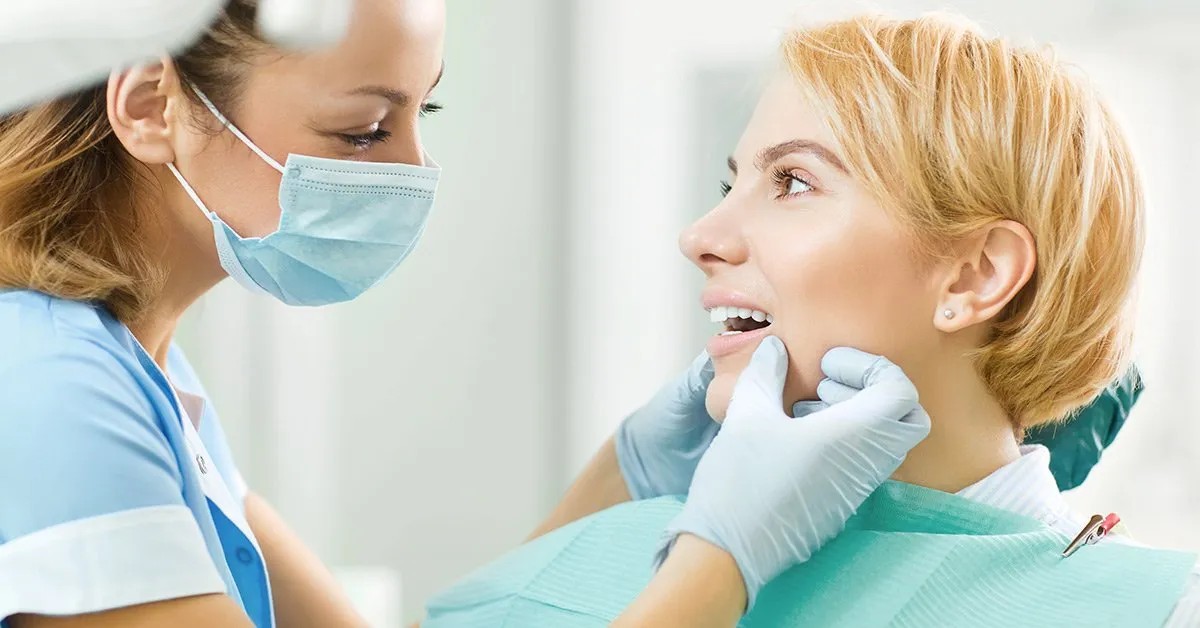
The Intricate Bond Between Oral Function and General Vitality
The Mouth as a Mirror of Systemic Wellness
In the realm of integrative healthcare, the mouth is never viewed as an isolated entity separate from the rest of the body. Instead, it is recognized as a critical junction that interacts dynamically with every other organ system. This perspective challenges the compartmentalized view of medicine, where a gum issue is treated solely as a localized infection. The reality is far more complex and interconnected. When inflammation occurs in the oral cavity—manifesting as bleeding gums or periodontal pockets—it acts as a gateway for bacteria and inflammatory markers to enter the bloodstream. Once in circulation, these pathogens can travel to distant organs, potentially stressing the immune system and contributing to conditions such as cardiovascular disease, diabetes, and other chronic inflammatory disorders.
Conversely, the state of the oral cavity often reflects the body's internal condition. Nutritional deficiencies, hormonal imbalances, and unmanaged stress frequently present early warning signs in the mouth, such as weakened enamel, soft tissue inflammation, or bruxism. A holistic approach seeks to uncover the root cause of these symptoms rather than merely patching the damage. By addressing lifestyle factors, sleep quality, and systemic health, dental professionals can foster an environment where the body is better equipped to repair itself. This philosophy transforms the daily routine of oral hygiene from a chore into a vital investment in longevity, reinforcing the understanding that a healthy mouth is fundamental to a healthy body.
Fueling the Body for Dental Resilience
The food we consume plays a dual role: it fuels our metabolic processes and shapes the microscopic ecosystem within our mouths. The oral microbiome is a delicate balance of bacteria that can either protect or harm our teeth and gums. Diets high in processed sugars and refined carbohydrates act as fuel for pathogenic bacteria, creating an acidic environment that promotes decay and inflammation. However, the integrative dental model moves beyond simply advising patients to avoid sugar; it emphasizes the inclusion of nutrient-dense foods that actively suppress inflammation and rebuild tissues.
Nutritional guidance in this context focuses on anti-inflammatory whole foods. Incorporating omega-3 fatty acids, antioxidant-rich leafy greens, and quality proteins helps manage the pH balance of saliva and strengthens the collagen matrix of the gums. Furthermore, specific micronutrients like Vitamin D, K2, and magnesium are essential for remineralizing teeth and maintaining bone density in the jaw. This approach also acknowledges the profound link between nutrition and mental well-being. A diet that stabilizes blood sugar and provides adequate nutrients supports a balanced mood and better stress resilience, which in turn reduces neglected hygiene habits and stress-related oral habits like jaw clenching. By treating food as medicine, patients can construct a biological shield against dental disease from the inside out.
| Feature | Conventional Dental Nutrition | Integrative Nutritional Approach |
|---|---|---|
| Primary Focus | Preventing cavities by limiting sugar intake. | Promoting systemic immunity and tissue regeneration. |
| Dietary Advice | Avoid sticky sweets and sodas. | Increase intake of anti-inflammatory fats, vitamins, and minerals. |
| Scope | Localized protection of enamel. | Connecting gut health, mental well-being, and oral ecology. |
| Outcome Goal | Reducing the incidence of decay. | Creating an internal environment hostile to disease. |
Redefining Restoration with Biocompatibility and Safety
The Science Behind Material Selection and Reactivity
For decades, the standard for dental repairs prioritized mechanical durability and ease of manipulation. However, as our understanding of immunology expands, there is a growing emphasis on how dental materials interact with human biology on a cellular level. The concept of biocompatibility is central to this shift. The oral environment is incredibly hostile—subject to extreme temperature fluctuations, constant moisture, and varying pH levels. In such conditions, materials that are chemically unstable can degrade, releasing ions or microscopic particles that may trigger immune responses or allergic reactions in susceptible individuals.
Integrative dentistry advocates for the use of materials that are inert and chemically stable, such as high-quality ceramics, zirconia, and BPA-free composite resins. Unlike traditional metal alloys, these materials do not conduct electricity, thereby eliminating the risk of galvanic currents—weak electrical shocks that occur when different metals interact in saliva, which some theories suggest may interfere with the body's neurological pathways. Furthermore, because every individual's immune system is unique, what is safe for one person may cause a reaction in another. To address this, many practitioners now utilize serum compatibility testing. This personalized screening process analyzes a patient's blood sample against thousands of dental substances to identify the most compatible materials, ensuring that restorations function as a harmonious part of the body rather than a tolerated foreign object.
Rigorous Protocols for Replacing Legacy Fillings
A significant area of concern in holistic practice is the presence and removal of silver-colored amalgam fillings. These legacy restorations are composed of a mixture of metals, roughly 50% of which is elemental mercury. While the safety of amalgam remains a topic of debate in broader dentistry, integrative practitioners operate on the precautionary principle, recognizing mercury as a potent neurotoxin that can off-gas over time, particularly during chewing or grinding. The concern extends beyond the mere presence of these fillings to the critical moment of their removal.
Removing an amalgam filling without adequate protection can generate high levels of mercury vapor and particulate matter, which are easily inhaled or swallowed by the patient and dental staff. To mitigate this risk, a strict safety protocol is employed. This typically involves the use of a non-latex rubber dam to isolate the tooth and protect the airway, along with high-volume air filtration systems placed near the patient's face to capture aerosols instantly. Copious amounts of water and specialized suction tips are used to keep the filling cool and remove debris efficiently. This meticulous process ensures that the toxic burden on the body is minimized during the transition to safer, metal-free alternatives. It is a procedure that prioritizes biological safety above speed, reflecting a deep commitment to the patient's systemic health.
Advanced Techniques for Minimally Invasive Care
Utilizing Activated Oxygen for Gentle Healing
One of the most promising advancements in minimally invasive dentistry is the therapeutic use of ozone (activated oxygen). In nature, ozone is known for its protective atmospheric layer, but in a clinical setting, it serves as a powerful, natural antimicrobial agent. Ozone therapy utilizes a transient, energized form of oxygen that effectively neutralizes bacteria, viruses, fungi, and parasites on contact. Its unique advantage lies in its ability to destroy pathogens without damaging healthy human cells, making it an ideal tool for preserving tooth structure and promoting tissue recovery.
The applications of ozone in dental care are versatile. It can be applied as a gas to penetrate the microscopic tubules of a tooth, halting early-stage decay without the need for extensive drilling. This aligns perfectly with the goal of preserving as much natural tooth structure as possible. In periodontal therapy, ozonated water is flushed into gum pockets to disinfect areas that physical tools cannot reach, reducing inflammation and accelerating healing. Furthermore, during root canal treatments, ozone gas can permeate the complex canal system to eliminate lingering bacteria that chemical rinses might miss. By leveraging the oxidative power of ozone, dentists can support the body's immune response and reduce the reliance on harsh antibiotics or invasive surgical procedures.
Personalized Diagnostics and Immunological Compatibility
The cornerstone of a truly holistic dental practice is the recognition of biochemical individuality. Standardized treatment protocols often fail to account for the subtle variations in human physiology that dictate how a person heals or reacts to treatment. Integrative dentistry addresses this by employing advanced diagnostic tools that go beyond X-rays and visual exams. This may include detailed analysis of the oral microbiome to identify specific pathogen loads or genetic testing to understand a patient’s predisposition to periodontal disease and inflammation.
This personalized approach extends to the timing and aggressiveness of treatment. For a patient with a compromised immune system or high systemic inflammation, a dentist might delay complex restorative work until the patient's nutritional status is optimized or the bacterial load is reduced. Treatment plans are often developed in collaboration with other healthcare providers, such as nutritionists or naturopaths, to ensure that the patient is physically prepared for dental procedures. By tailoring care to the specific biological needs of the individual, practitioners can achieve more predictable, long-lasting results that support the patient's overall journey toward optimal health.
Q&A
-
What are mercury-free fillings, and why are they important?
Mercury-free fillings are dental restorations that do not contain mercury, a component traditionally used in amalgam fillings. They are important because mercury is a toxic substance, and reducing exposure to it can minimize health risks. Mercury-free alternatives, such as composite resins or ceramics, are considered safer and more aesthetically pleasing, as they match the natural color of teeth.
-
What is the SMART Protocol in amalgam removal, and how does it protect patients?
The SMART Protocol (Safe Mercury Amalgam Removal Technique) is a set of guidelines designed to safely remove amalgam fillings containing mercury. It involves using specialized equipment and procedures to minimize mercury exposure to both the patient and dental staff during removal. This protocol includes the use of high-volume suction, protective barriers, and proper ventilation to ensure safety.
-
Why is biocompatible material selection crucial in dental treatments?
Biocompatible materials are crucial because they are designed to be compatible with the human body, reducing the risk of allergic reactions and other adverse effects. In dentistry, using biocompatible materials ensures that restorations and other dental applications do not cause irritation or harm to oral tissues, promoting overall health and well-being.
-
How does nutritional counseling contribute to oral health, and what might it involve?
Nutritional counseling contributes to oral health by educating patients on the impact of diet on oral hygiene and systemic health. It might involve guidance on reducing sugar intake to prevent cavities, recommending foods rich in calcium and vitamin D for strong teeth, and advising on overall dietary habits that support oral and systemic health.
-
What is ozone therapy in dentistry, and what are its benefits?
Ozone therapy in dentistry involves the use of ozone gas to disinfect and treat dental infections. Its benefits include the ability to kill bacteria, viruses, and fungi, promoting healing and reducing the need for antibiotics. Ozone therapy can be used to treat cavities, periodontal disease, and other oral infections, offering a minimally invasive alternative to traditional treatments.