
Beyond Cleaning: The Art of Denture Maintenance
Maintaining the allure of oral prosthetics requires more than just a rinse—it's about preserving their pristine condition and ensuring a comfortable experience. The journey to immaculate condition involves daily rituals that prevent discoloration and unwanted aromas, safeguarding both the lifespan of the product and your confidence.
The Ritual of Daily Hygiene and Preservation
Mastering the Gentle Art of Washing
The moment you remove your appliance after a day of meals and conversation is pivotal for oral health. It serves as a necessary "reset" time for your gums and the prosthetic itself. However, the physical handling of these devices requires a specific strategy that many overlook. Acrylic resin, while durable in the mouth, is surprisingly brittle when dropped against hard surfaces like porcelain sinks or tiled floors. To mitigate the risk of accidental breakage, it is highly recommended to fill your washbasin with water or line it with a plush towel before beginning your cleaning routine. This simple preparation creates a safety cushion, turning a potential disaster into a minor slip.
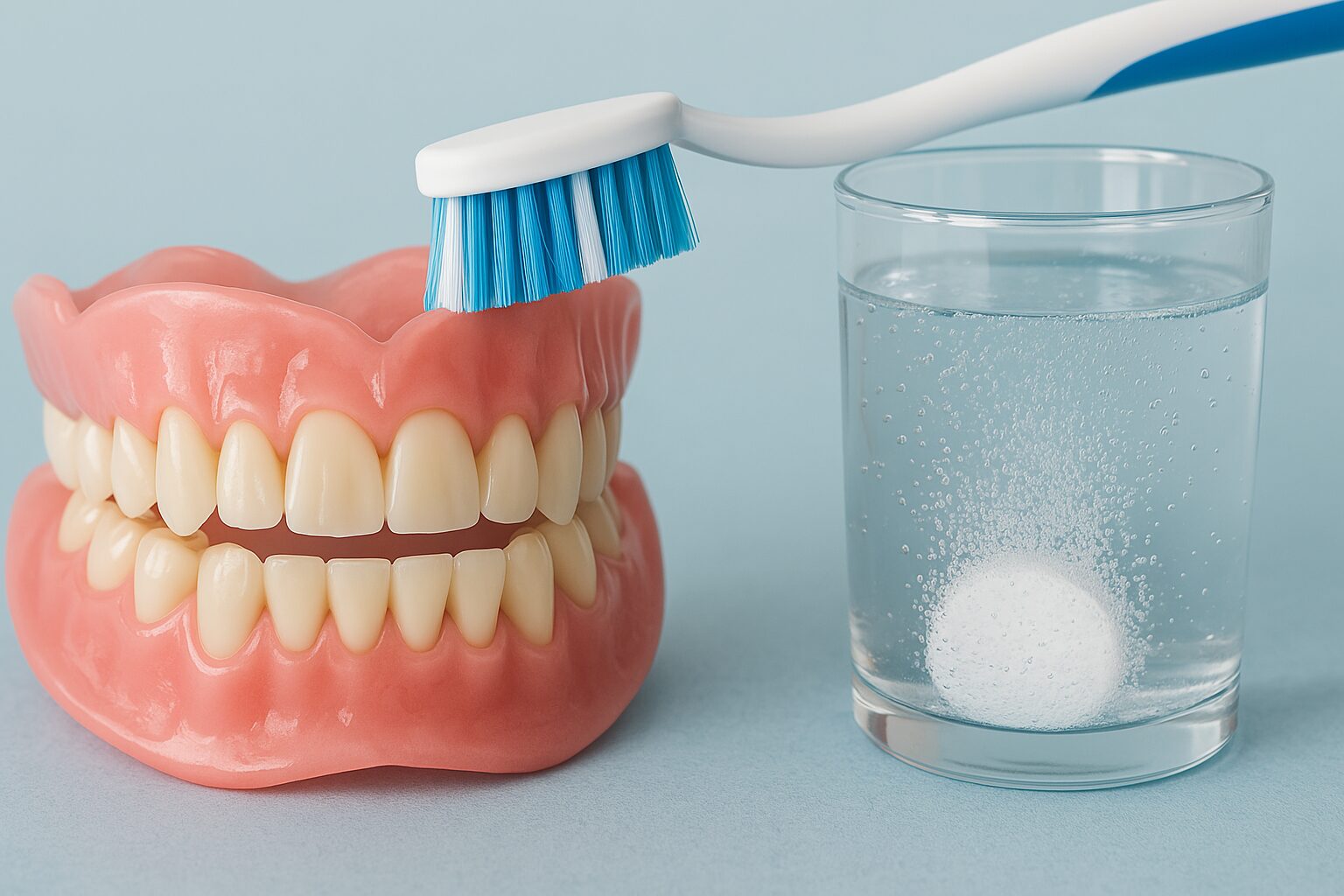
Once the safety measures are in place, the focus shifts to the cleaning technique. A preliminary rinse under running water is essential to dislodge larger food particles, but the mechanical cleaning that follows defines the longevity of the appliance. There is a prevalent misconception that standard toothpaste is suitable for all dental care. In reality, toothpaste designed for natural teeth contains abrasives intended to scrub enamel. When applied to the softer acrylic of a denture, these abrasives act like fine sandpaper, creating microscopic scratches. While invisible to the naked eye, these scratches become breeding grounds for bacteria and plaque. Instead, utilizing a soft-bristled brush specifically designed for prosthetics, paired with mild hand soap or a formulated paste, effectively cleans the surface without compromising its structural integrity. The goal is to gently sweep debris from the crevices rather than aggressively scrubbing, preserving the smooth, polished finish that resists bacterial adhesion.
The Science of Nighttime Soaking
The hours spent sleeping offer a critical opportunity for both the soft tissues of the mouth and the prosthetic to recover. Wearing an appliance continuously, twenty-four hours a day, exerts constant pressure on the gums and underlying bone, which can accelerate resorption and restrict blood flow to the mucous membranes. Removing the device at night allows the tissues to breathe and rest, reducing the risk of inflammation and fungal infections such as denture stomatitis. However, once removed, the appliance must never be left to dry out.
The materials used in modern prosthetics rely on hydration to maintain their shape and flexibility. If allowed to dry completely, the acrylic can warp, shrink, or develop hairline cracks, permanently altering the fit. Therefore, immersion in water or a specialized soaking solution is mandatory during sleep. This soaking process does more than just maintain the shape; it provides a chemical cleaning that mechanical brushing cannot achieve. Liquid cleansers can penetrate the microscopic pores of the material to break down enzymes and eliminate bacteria that cause bad breath. By combining mechanical brushing with overnight chemical soaking, users ensure that they wake up to a fresh, bacteria-free appliance that is safe to reinsert.
| Cleaning Method | Best Used For | Cautionary Note |
|---|---|---|
| Mechanical Brushing | Removing physical food debris and plaque film daily. | Avoid stiff bristles and whitening toothpaste to prevent scratching the acrylic surface. |
| Chemical Soaking | Killing deep-seated bacteria and maintaining material hydration overnight. | Solutions should be rinsed off thoroughly before insertion to avoid gum irritation. |
| Ultrasonic Cleaners | Dislodging stubborn particles from hard-to-reach crevices. | Should be used as a supplement to, not a replacement for, daily brushing and soaking. |
Combating Esthetic Decline and Odor
Strategies Against Stains and Discoloration
For many, the fear of a yellowing smile leads to anxiety around food and drink. Beverages such as coffee, tea, red wine, and pigment-rich foods like curry are notorious for leaving their mark on porous acrylic surfaces. However, maintaining a bright smile does not necessarily require a restrictive diet. The key lies in managing the exposure time. Stains solidify when pigments are allowed to settle into the material's pores over long periods. Establishing a habit of briefly rinsing the mouth and the appliance with water immediately after consuming highly pigmented items can significantly reduce the risk of permanent discoloration.
When staining does occur, the instinct to scrub harder or use stronger chemicals must be curbed. Household bleach, hot water, or harsh abrasive pads (like melamine sponges) destroy the surface gloss of the prosthetic. Once the glossy "skin" is removed, the material becomes rough and porous, absorbing pigments even faster than before. This creates a cycle where the denture stains more quickly the more aggressively it is cleaned. Instead, rely on effervescent tablets designed to lift stains chemically. For deep, stubborn discoloration that resists home care, professional ultrasonic cleaning at a dental clinic is the safest option. These professional treatments restore brightness without abrading the surface, resetting the clock on the appliance’s aesthetics without causing structural damage.
Addressing the Root Causes of Unpleasant Aromas
Persistent odor is often the most embarrassing complaint among denture wearers, yet it is rarely caused by a lack of effort in cleaning. The culprit is usually the microscopic structure of the material itself combined with the oral microbiome. Acrylic resin acts somewhat like a sponge; it contains thousands of microscopic voids. If the surface has been roughened by abrasive toothpaste or aggressive scrubbing, these voids become deeper, harboring colonies of bacteria and Candida yeast. As these microorganisms metabolize food remnants trapped in the appliance, they release sulfur compounds that result in halitosis.
Because the bacteria reside deep within the material, surface brushing alone is insufficient to neutralize the smell. This is why the "smell test" often fails even after a thorough scrubbing. Effective odor control requires a dual approach: preserving the surface smoothness to prevent bacterial adhesion and using enzymatic cleansers that penetrate the acrylic lattice. Furthermore, the condition of the remaining natural teeth and gums plays a massive role. An appliance placed into an environment with periodontal disease or plaque buildup will immediately become recolonized by bacteria. Therefore, oral hygiene must remain holistic—cleaning the tongue, gums, and any remaining teeth is just as vital as cleaning the prosthetic itself to ensure a truly fresh result.
Long-Term Stability and Professional Care
Understanding Anatomical Changes and Fit
A common grievance is that an appliance that once fit like a glove eventually begins to feel loose, rock during chewing, or trap food particles. It is crucial to understand that prosthetics are rigid and static, whereas the human body is dynamic. Over time, the jawbone undergoes a natural process called resorption, where the bone that once supported natural teeth slowly shrinks away due to lack of stimulation. As the bone and gum tissue recede, a gap forms between the unchanging hard base of the denture and the changing landscape of the mouth.
This gap is not merely an annoyance; it is a mechanical hazard. When the fit is poor, the forces of chewing are not distributed protecting the underlying tissue but are instead concentrated on specific pressure points, leading to sores and further bone loss. Food particles trapped in these spaces can also ferment, leading to gum inflammation. Recognizing that fit changes are a biological inevitability, rather than a defect of the product, helps users manage expectations. It implies that "lifetime durability" applies to the material, not the fit. Regular check-ups are necessary not just for cleaning, but to assess this interface between the device and the tissue.
The Role of Professional Maintenance
When stability is lost, there is a temptation to rely heavily on over-the-counter adhesives or, worse, to attempt DIY adjustments using files or pliers. These home remedies are fraught with danger. Adhesives are meant to provide extra security for a well-fitting device, not to fill the void of an ill-fitting one. Using thick layers of paste alters the bite relationship and can accelerate bone destruction. Similarly, attempting to grind down a sore spot often ruins the delicate hydro-dynamics required for suction, rendering the appliance useless.
The correct course of action is professional relining. This procedure involves a dentist adding a new layer of material to the base of the denture, effectively updating its surface to match the current shape of the gums. This restores suction, stability, and comfort without the need for a completely new device. Additionally, professional polishing removes the microscopic scratches accumulated from daily wear, restoring the original stain-resistant glaze. Integrating professional maintenance into your routine transforms the denture from a cumbersome medical device back into a seamless part of your anatomy.
| Sign of Trouble | Probable Cause | Recommended Action |
|---|---|---|
| Whistling or clicking while speaking | The appliance has become loose due to gum resorption. | Schedule a reline appointment to close the gap between base and gum. |
| Sore spots or ulcers | Uneven pressure points or a warped base. | Avoid DIY filing; seek professional adjustment to balance the bite. |
| Persistent bad taste/smell | Bacterial colonization in micropores or old material. | Deep professional cleaning or potential replacement if the material is degraded. |
Q&A
-
What are some effective methods for professional denture cleaning?
Professional denture cleaning typically involves ultrasonic cleaning, where high-frequency sound waves create vibrations to remove plaque and debris without damaging the dentures. Additionally, dental professionals may use specialized cleaning solutions and tools to ensure thorough cleaning, which can help prevent gum irritation and infection.
-
How does denture polishing contribute to oral health?
Denture polishing is crucial for maintaining the aesthetics and functionality of dentures. It helps to smooth out the surface, reducing plaque accumulation and minimizing the risk of stains and odors. Polished dentures also provide a more comfortable fit and prevent irritation to the gums and oral tissues.
-
What are some tips for preventing denture stains?
To prevent denture stains, avoid foods and drinks that are known to cause discoloration, such as coffee, tea, and red wine. Regularly clean your dentures using a non-abrasive denture cleaner and brush. Soaking dentures overnight in a cleaning solution can also help to remove any stubborn stains and prevent new ones from forming.
-
How can one effectively control denture odor?
Denture odor can be controlled by maintaining excellent oral hygiene practices, such as cleaning dentures thoroughly at least once a day and soaking them overnight. It's also important to clean your mouth and gums with a soft-bristled toothbrush or gauze to remove any bacteria that might contribute to odor. Additionally, using a denture deodorizing solution can help keep odors at bay.
-
Why is it important to store dentures properly, and how should it be done?
Proper storage of dentures is essential to maintain their shape and prevent damage. Dentures should be kept moist when not in use to prevent them from drying out and becoming brittle. They should be stored in a denture cleaning solution or plain water, and never in hot water, as this can warp their shape. Regular checks with a dental professional can ensure they remain in good condition.