
Rethinking Dental Approaches for Elderly Patients
As people age, their oral health needs become increasingly complex, requiring innovative approaches to care tailored to their unique challenges. Understanding how evolving physical and mental health issues impact oral treatments is crucial for enhancing quality of life in aging populations, fostering seamless integration of comprehensive dental care solutions.
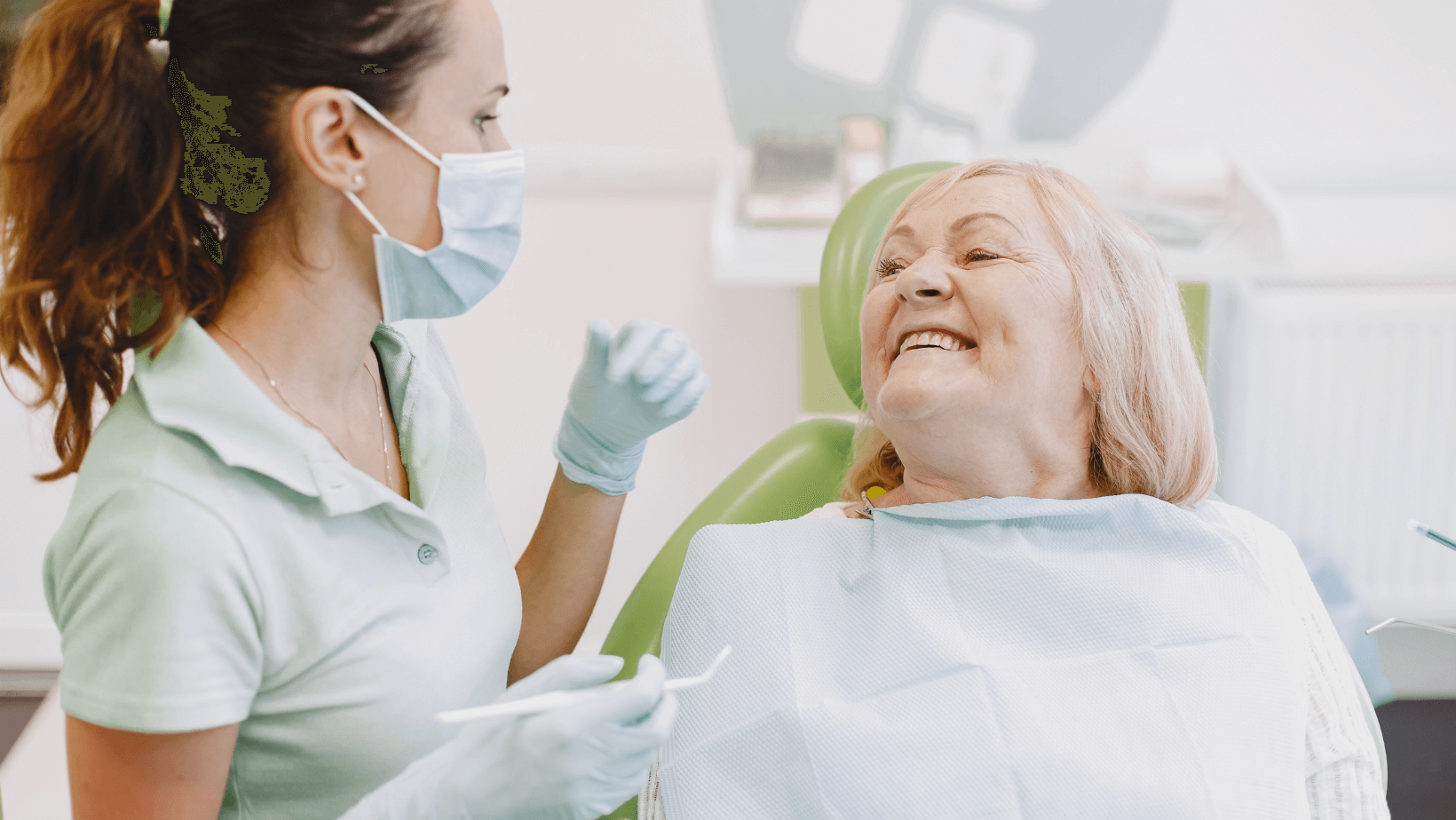
Adapting to Biological Changes and Systemic Links
Managing Moisture Loss and Structural Vulnerabilities
Just as skin loses elasticity with age, the oral environment undergoes significant biological shifts that require vigilant management. One of the most prevalent challenges is the reduction in salivary flow, a condition that transforms the mouth from a self-cleansing ecosystem into one vulnerable to bacterial stagnation. Saliva acts as a natural buffer against acid; without it, the risk of decay accelerates rapidly. This is particularly dangerous for older adults who may also experience gingival recession. As gums recede, the root surfaces of the teeth—which lack the protective enamel coating found on the crown—become exposed. These softer root structures are highly susceptible to rapid decay and sensitivity, creating a compounded risk when combined with a dry oral environment.
To combat these structural vulnerabilities, modern dentistry has moved away from a "drill and fill" mentality toward a more preventive and material-conscious approach. The selection of restorative materials has evolved to prioritize biocompatibility and tissue integration. For instance, materials like zirconia have gained popularity not only for their durability but for their "plaque-phobic" properties. Unlike traditional metals or older composites that might harbor bacteria or irritate thinned, sensitive mucosal tissues, high-polish ceramics offer a smooth surface that discourages biofilm accumulation. Furthermore, regarding root protection, the application of fluoride varnishes and the use of silver diamine fluoride (SDF) have become vital tools. These non-invasive treatments can arrest the progression of decay on exposed roots without the need for extensive excavation, preserving the structural integrity of the tooth while minimizing trauma to the patient.
| Feature of Material | Traditional Metal Alloys | Biocompatible Ceramics (e.g., Zirconia) |
|---|---|---|
| Tissue Interaction | Potential for irritation or allergic response in sensitive mucosa | Highly biocompatible; gentle on receding gums and thinning tissue |
| Plaque Retention | Surface irregularities can harbor bacterial biofilm | Ultra-smooth surface resists plaque accumulation significantly |
| Aesthetic Outcome | May show dark margins at the gum line as tissues recede | Maintains natural appearance even if minor gum recession occurs |
| Thermal Conductivity | High conductivity may cause sensitivity to hot/cold | Low conductivity provides insulation for the dental pulp |
The Oral-Systemic Connection and Cognitive Health
Emerging research has fundamentally shifted the narrative around geriatric dental care, moving it from a localized concern to a critical component of neurological health. There is a growing body of evidence suggesting a bidirectional relationship between oral inflammation and cognitive decline. Chronic periodontitis—a severe gum infection—releases inflammatory markers into the bloodstream that may cross the blood-brain barrier, potentially contributing to the pathogenesis of conditions like Alzheimer's disease and dementia. Consequently, maintaining a pathogen-free oral environment is no longer just about saving teeth; it is an active measure in preserving brain function.
Beyond inflammation, the physical act of chewing plays an often-overlooked role in cerebral blood flow. The sensory input provided by the periodontal ligament during mastication stimulates various regions of the brain. When teeth are lost and not adequately replaced, or when oral pain prevents vigorous chewing, this sensory stimulation diminishes. Therefore, restorative strategies that maintain functional occlusion—whether through natural teeth or well-fitted prosthetics—are essential for maintaining cognitive vitality. For caregivers and clinicians, this implies that oral hygiene routines are not merely cosmetic tasks but essential medical interventions. Regular professional cleaning and daily biofilm management serve as a frontline defense, protecting the brain by reducing the total inflammatory burden on the aging body.
Overcoming Physical and Pharmaceutical Barriers
Navigating the Impact of Multiple Medications
A critical aspect of treating the geriatric population is managing the implications of their comprehensive medical history, specifically the phenomenon where patients are prescribed multiple concurrent medications. This pharmaceutical complexity introduces a web of interactions that can manifest severely in the oral cavity. Hundreds of common medications, including antihypertensives, antidepressants, and diuretics, list reduced salivary flow as a primary side effect. When a patient takes three or more of these drugs, the cumulative effect can be devastating, stripping the mouth of its natural defenses and leading to rampant infection or fungal overgrowth.
Dental professionals must act as vigilant investigators, reviewing a patient's drug regimen not to alter it, but to anticipate complications. For example, patients on anticoagulants or antiplatelet therapies require specific protocols to manage bleeding during even minor procedures. Similarly, certain calcium channel blockers used for heart conditions can cause gum tissue to overgrow, making hygiene difficult and creating traps for bacteria. The clinical response requires a shift from reactive repair to proactive management. This involves close collaboration with general practitioners and pharmacists to understand the timing and dosage of medications. In some cases, it may involve prescribing high-concentration fluoride toothpastes or supersaturated calcium phosphate rinses to artificially replicate the protective minerals that saliva usually provides, creating a chemical shield against the side effects of necessary systemic drugs.
Enhancing Accessibility and Physical Comfort
As physical mobility declines, the standard dental office environment can become a landscape of barriers. For patients with sarcopenia (muscle loss), arthritis, or other orthopedic challenges, the simple act of moving from a waiting room chair to a dental operatory can be physically demanding and anxiety-inducing. Clinical care must therefore extend beyond the mouth to include the physical handling and positioning of the patient. Modern geriatric care involves specific transfer protocols, where staff are trained to assist patients in standing and sitting without causing strain or risk of falls. This often means decluttering operatories to allow for wheelchair turning radii and removing tripping hazards like foot pedals or cords.
Once in the chair, the patient’s positioning is paramount for safety and comfort. The traditional supine (lying flat) position used for maximum visibility is often contraindicated for elderly patients. Many older adults suffer from kyphosis (curvature of the spine) or heart failure, making lying flat impossible or conducive to breathing difficulties. Furthermore, a diminished gag reflex and swallowing coordination increase the risk of aspiration pneumonia if fluids pool in the throat. Therefore, treating patients in a semi-reclined or upright position is often necessary. Clinicians must utilize neck pillows and lumbar support to stabilize the patient, and take frequent breaks to allow the patient to reposition. This "comfort-first" approach minimizes physical stress, which in turn reduces psychological anxiety, making the appointment sustainable for the patient.
Tailoring Approaches for Cognitive Decline and Comfort
Creating a Supportive Environment for Memory Care
For patients navigating cognitive impairments, the clinical environment can be a source of profound disorientation. The sensory overload of bright lights, high-pitched drill noises, and the invasion of personal space can trigger behavioral distress in individuals who may no longer understand the purpose of the visit. To counter this, successful geriatric care adopts a "dementia-friendly" approach that prioritizes emotional safety over procedural speed. This involves environmental modifications such as using warmer lighting, playing calming music, and minimizing background chatter. The goal is to reduce the cognitive load on the patient, allowing them to focus on the immediate interaction.
Communication strategies must also be adapted. Complex instructions or questions about long-term history may be impossible for the patient to answer, leading to frustration. Instead, clinicians utilize non-verbal cues and "tell-show-do" techniques adapted for slower processing speeds. Moreover, the integration of technology has revolutionized how consent and treatment planning are handled. Visual decision aids and digital scanning (which replaces the uncomfortable impression goo) help bridge the communication gap. For families, these tools provide a clear visual representation of the problem, aiding them in making difficult decisions on behalf of their loved ones. By removing the mystery and discomfort from the diagnostic process, the dental team can maintain trust, which is the most valuable asset when treating patients with cognitive decline.
| Aspect of Care | Curative/Restorative Approach | Palliative/Maintenance Approach |
|---|---|---|
| Primary Goal | Restore full anatomy and function to ideal standards | Eliminate pain and maintain social confidence |
| Intervention Level | High; may involve surgery, long appointments, or complex prosthetics | Low to Moderate; focus on non-invasive management and quick relief |
| Patient Requirements | Requires high adaptability and ability to sit for long periods | Designed for patients with limited physical or cognitive reserve |
| Caregiver Burden | May require complex daily maintenance (e.g., flossing bridges) | Focuses on simplified hygiene routines easy for caregivers to perform |
Q&A
-
What are some effective strategies for managing xerostomia (dry mouth)?
Managing xerostomia involves maintaining oral moisture and preventing complications. Strategies include frequent sips of water, using saliva substitutes, and avoiding alcohol-based mouthwashes. Chewing sugar-free gum or lozenges can stimulate saliva production. Additionally, humidifying sleeping areas and consulting with a healthcare provider for potential medication adjustments can be beneficial.
-
How can root caries be effectively managed in patients with dry mouth?
Root caries management in xerostomia patients involves both preventive and therapeutic approaches. Fluoride treatments, such as varnishes or high-fluoride toothpaste, are critical for strengthening enamel. Regular dental check-ups, good oral hygiene practices, and dietary modifications to reduce sugar intake also play vital roles. In some cases, restorative dental procedures may be necessary to address existing decay.
-
What considerations should be made when relining a removable denture for a patient with xerostomia?
When relining a removable denture for a patient with xerostomia, it is important to ensure the material used is compatible with a dry oral environment. Soft liners may provide better comfort and fit due to their adaptability. Ensuring a proper seal and fit is essential to prevent irritation and discomfort, and regular follow-up appointments are crucial to monitor any changes in oral condition.
-
How does polypharmacy impact oral health, particularly in relation to dry mouth?
Polypharmacy can significantly impact oral health by exacerbating dry mouth, as many medications have xerostomic side effects. This can lead to an increased risk of dental caries, periodontal disease, and oral infections. Patients should inform their healthcare providers about all medications they are taking to explore possible alternatives or adjustments that minimize these side effects.
-
What strategies can be employed to accommodate mobility and cognitive impairments in oral healthcare?
To accommodate mobility and cognitive impairments, oral healthcare strategies should include creating an accessible dental environment, such as using adjustable dental chairs and providing clear, simple instructions. Caregivers can be involved in oral hygiene routines, and the use of adaptive devices, like electric toothbrushes with larger handles, can facilitate better oral care. Establishing a routine and using reminders or visual aids can also support patients with cognitive challenges.