
Sculpting the Captivating Smile: Innovations in Composite Veneer Techniques
Crafting a flawless and captivating smile often relies on meticulous artistry and evolving techniques in dental aesthetics. The realm of composite veneers is continually advancing, pushing the boundaries of esthetic precision and offering patients a transformative journey toward enhanced dental beauty. Recent innovations promise unparalleled outcomes, redefining the possibilities of a perfect smile.
The Fusion of Material Science and Optical Illusion
Engineering Strength and Luminosity at the Micro Scale
The secret behind the incredibly natural appearance of modern dental enhancements lies deep within the chemistry of the materials used. It is a common misconception that these restorations are merely shaped plastic; in reality, they are sophisticated compounds engineered for both resilience and beauty. The base material, often referred to as resin, acts as a matrix that holds together microscopic particles of glass and ceramic, known as fillers. The precise balance, size, and distribution of these fillers are what dictate the material's physical properties. By manipulating these elements, manufacturers have created composites that can withstand the immense pressures of biting and chewing while retaining a surface smoothness that mimics natural enamel.
In recent years, the industry has seen a shift toward ultra-fine particle integration. By utilizing particles measured in nanometers, the material achieves a density that allows for a superior polish. Larger particles, used in older generations of composites, often resulted in a duller finish that could pluck out over time, leaving a rough surface. The modern approach ensures that when the material is polished, it reflects light in a continuous, unbroken sheet, much like a natural tooth. This structural integrity not only contributes to the aesthetic longevity of the smile but also ensures that the restoration feels smooth to the tongue, indistinguishable from the surrounding dentition. The integration of these advanced clusters provides the mechanical strength necessary for anterior teeth, preventing fractures and chipping during daily function.
Replicating the Behavior of Natural Light
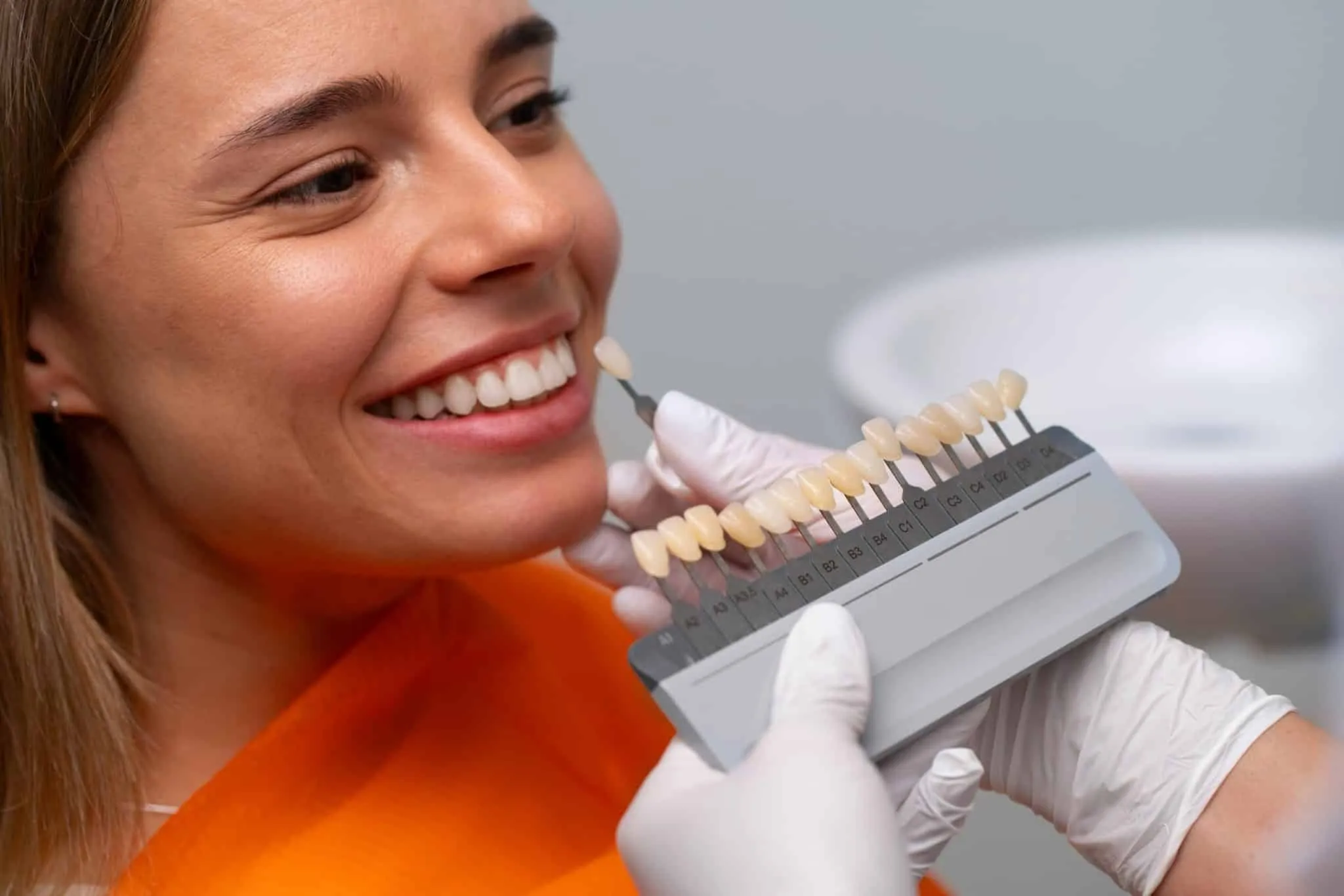
A truly beautiful smile is defined not just by whiteness, but by how teeth interact with light. Natural teeth are complex structures; they are not opaque blocks of color. Instead, they allow light to penetrate the outer enamel, bounce off the inner dentin, and scatter in various directions. This internal reflection creates a sense of depth and vitality. Recreating this "light behavior" with artificial materials requires a deep understanding of optical physics applied to dentistry. Advanced composite materials are now designed with refractive indices that closely match those of natural tooth structures. This technological leap allows the restoration to absorb and reflect light in a way that blends seamlessly with the adjacent teeth, a phenomenon often described as the "chameleon effect."
To achieve this, practitioners utilize a variety of translucent and opaque masses. A highly opaque layer might be used to mask discoloration or mimic the dense inner core of the tooth, while a crystal-clear outer layer simulates the sheer quality of enamel at the biting edge. If a material is too opaque, the tooth looks dead and artificial; if it is too transparent, it appears gray and hollow. The mastery lies in balancing these optical properties to ensure that the tooth looks authentic under all lighting conditions, from the harsh fluorescent lights of an office to the soft, warm glow of a candlelit dinner. This manipulation of opacity and translucency prevents the "floating white patch" look that was once common in older cosmetic procedures.
| Visual Characteristic | Natural Tooth Behavior | Aesthetic Goal in Restoration |
|---|---|---|
| Light Transmission | Light passes through enamel and scatters within the dentin. | Use high-translucency outer layers to mimic depth. |
| Surface Reflection | Irregular microscopic texture diffuses light, softening the shine. | Create micro-texture to avoid a "glassy" or fake appearance. |
| Color Interaction | Absorbs surrounding hues from lips and gums (Chameleon effect). | Select materials with balanced refractive indices to blend borders. |
| Opacity Gradient | Dense and saturated at the gum line, sheer at the biting edge. | Layer opaque resin at the base and sheer resin at the tip. |
The Artistry of Hand-Sculpting
The Creative Dynamics of Freehand Modeling
Unlike laboratory-fabricated restorations that are made from a mold, the application of composite resin is a direct, creative process performed right in the dental chair. This approach is often likened to sculpting, where the practitioner acts as an artist, building the tooth form from scratch. The primary advantage of this method is the ability to make real-time adjustments based on the patient's unique facial features, lip dynamics, and immediate feedback. There is no waiting for a lab to return the work; the transformation happens instantaneously, allowing for a collaborative atmosphere where the patient can witness the evolution of their smile.
This process is incredibly delicate. The practitioner must consider the macro-aesthetics, such as the overall shape and symmetry of the smile relative to the face, as well as the micro-aesthetics, which involve the tiny nuances of individual tooth anatomy. A fraction of a millimeter of added material can change the tilt of a tooth or the way a smile curves, dramatically altering the patient's expression. It requires a high degree of dexterity and a keen artistic eye to manipulate the soft resin paste before it is cured with light. The goal is to create a "bespoke" smile—one that is custom-tailored to the individual rather than a standardized, mass-produced set of teeth. This hands-on control allows for the correction of gaps, chips, and misalignments in a way that preserves the maximum amount of natural tooth structure, adhering to a philosophy of minimal intervention.
Precision Tooling and Surface Texturing
Creating the perfect shape is only half the battle; the surface texture is what gives the tooth its realistic personality. If you observe a natural tooth closely, you will notice it is rarely perfectly flat. It possesses horizontal growth lines, vertical lobes, and subtle undulations that break up light reflection. A completely flat surface reflects light like a mirror, which looks artificial and "plastic" in the mouth. To avoid this, the sculpting process involves the use of specialized instruments, including fine brushes and flexible silicone tools, to introduce these natural anatomical features into the uncured resin.
Using a brush with a touch of modeling liquid allows the resin to be smoothed and feathered into the natural tooth structure, eliminating air bubbles and ensuring a seamless margin. Once the primary shape is cured, the practitioner uses fine diamond burs to carve secondary and tertiary anatomy—the grooves and ridges that catch the light. This technique creates "high points" that reflect light and "low points" that create shadow, giving the tooth volume and 3D definition. By manipulating where these reflections occur, a tooth can be made to look wider, narrower, shorter, or longer without actually changing its physical dimensions. This interplay of light and shadow is crucial for integrating the restoration with the patient's natural dentition, ensuring that the new additions do not stand out as foreign objects but rather harmonize with the overall organic composition of the face.
Precision in Layering and Finishing
The Strategy of Structural Stratification
Achieving a restoration that is both beautiful and durable requires a strategic approach to building the tooth structure, often referred to as stratification. This technique involves placing the resin in small, calculated increments rather than applying it as a single bulk mass. Natural teeth are composed of layers: the darker, more saturated dentin on the inside and the whiter, translucent enamel on the outside. To replicate this, the practitioner must build the restoration from the inside out, simulating these biological layers. A chromatic, opaque resin is placed first to establish the color saturation and block out the darkness of the mouth, followed by increasingly translucent layers that filter the underlying color.
Beyond aesthetics, this incremental approach has significant functional benefits. Composite resin shrinks slightly when it hardens under the curing light. If a large volume of material is cured at once, the shrinkage stress can pull away from the tooth walls, creating microscopic gaps that lead to sensitivity, staining, or bond failure. By curing small increments individually, the stress is minimized and distributed evenly, resulting in a stronger, more secure bond. This methodical layering also allows for better control over the final contour, reducing the amount of grinding needed at the end. It transforms the procedure from a simple filling into a complex architectural endeavor, ensuring that the structural integrity of the tooth is reinforced while simultaneously achieving a visually stunning depth of color.
The Critical Role of the Polishing Protocol
The final, and perhaps most defining, stage of the veneer process is the polishing protocol. It is often said that the longevity and beauty of a composite restoration are determined by the quality of the polish. A surface that appears smooth to the naked eye may still be rough at a microscopic level. These microscopic irregularities can accumulate plaque, harbor bacteria, and pick up pigments from food and drink, leading to premature discoloration and gum inflammation. Therefore, the goal of polishing is not merely to create a shine, but to create a biologically compatible surface that is impervious to debris.
The polishing process is a rigorous, step-by-step sequence utilizing discs, rubber points, and specialized pastes with diminishing grit sizes. It begins with coarser tools to refine the shape and verify the bite, then progresses to finer abrasives that remove scratches and bring out the luster. Care must be taken to manage friction heat during this stage, as overheating the resin can degrade its properties. The final step often involves a diamond-impregnated felt wheel or a specialized buffing paste that generates a "wet look" gloss—a shine that mimics the natural moisture of enamel. This high-gloss finish serves a protective function; a glass-like surface causes the tongue and cheeks to glide effortlessly over the teeth, promoting self-cleansing and ensuring the health of the surrounding soft tissues. The result is a smile that is not only visually radiant but also hygienic and durable.
| Polishing Stage | Tool/Medium | Primary Objective |
|---|---|---|
| Contouring | Diamond Burs / Coarse Discs | Define the primary shape, length, and symmetry of the tooth. |
| Smoothing | Medium grit rubber cups/wheels | Remove deep scratches and blend the resin with natural tooth structure. |
| Pre-Polish | Fine spirals or flexible points | Create a satin finish and refine surface texture details. |
| High-Gloss | Diamond paste & felt wheel | Achieve the "wet look" enamel luster and seal the surface against staining. |
Q&A
-
What are Direct Layering Protocols in dentistry?
Direct Layering Protocols refer to the systematic approach used in restorative dentistry to apply composite materials in layers. This technique allows for better control over the aesthetics and mechanical properties of dental restorations, as each layer can be precisely shaped and cured. The approach enhances the overall durability and appearance of the restoration, making it a preferred method in modern dental practices.
-
How do Nanohybrid Resin Systems benefit dental restorations?
Nanohybrid Resin Systems are advanced composite materials that combine nanoparticles with traditional hybrid resins. These systems offer improved strength and wear resistance, making them ideal for both anterior and posterior restorations. The inclusion of nanoparticles enhances the material's polishability and aesthetic qualities, providing a more natural-looking finish that blends seamlessly with the patient's existing teeth.
-
Why is Incremental Build Up important in composite restorations?
Incremental Build Up is crucial because it reduces polymerization shrinkage, which can lead to gaps and compromised restoration integrity. By applying the composite in small increments and curing each layer separately, dentists can ensure a more accurate adaptation to the tooth structure, minimizing the risk of marginal leakage and improving the longevity of the restoration.
-
What role do Polish Retention Mechanics play in dental restorations?
Polish Retention Mechanics are essential for maintaining the smoothness and luster of composite restorations over time. Effective polish retention helps prevent plaque accumulation and staining, which can affect the aesthetics and health of the restoration. By using materials and techniques that ensure long-lasting polish, dentists can provide patients with restorations that remain attractive and functional for extended periods.
-
How does Color Blending Control enhance the outcome of dental restorations?
Color Blending Control is a technique used to ensure that the composite material matches the natural color of the patient's teeth. This involves selecting the right shade and translucency, and sometimes layering different shades to achieve a seamless blend. Effective color blending is vital for aesthetic success, as it allows the restoration to be virtually indistinguishable from the surrounding natural teeth, enhancing the patient's smile.