
Nurturing Your Teeth: Dietary Insights from Dental Experts
A captivating smile starts with prudent choices at the dinner table. Embracing a mindful approach to nourishment not only fosters a delightful grin but fortifies our dental resilience against contemporary dietary pitfalls. Discover how pivotal selections in munching habits elevate our oral well-being, unveiling a healthier, radiant smile.
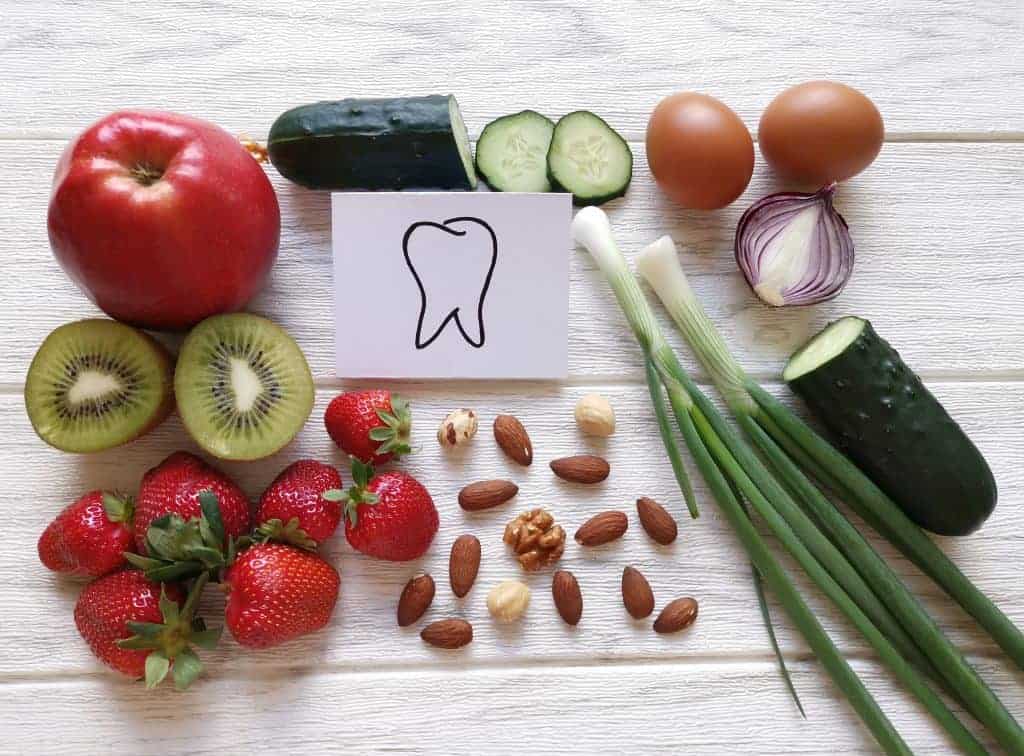
Understanding the "Sugar Trap" and Snacking Dynamics
It Is Not Just About the Amount
For those with a sweet tooth, the impact of confections on oral wellness is often a primary concern. However, it is important to clarify that sugar itself does not directly drill holes into teeth. The real culprit is a biological chain reaction occurring within the mouth. When we consume foods or beverages containing carbohydrates, the bacteria naturally residing in the oral cavity utilize these sugars as their primary fuel source. As these bacteria break down the sugar, they produce harmful acids as a byproduct. It is this acid that chemically dissolves the hard, protective outer layer of the tooth known as enamel—a process clinically referred to as demineralization.
While the total quantity of sugar consumed matters, dental professionals argue that the frequency and texture of the food are far more critical factors. A sticky caramel that clings to the grooves of molars for twenty minutes poses a significantly higher threat than a sugary treat that is swallowed quickly. This is because the sticky texture prolongs the duration the enamel is exposed to acid attacks. Furthermore, the habit of "grazing"—mindlessly snacking or sipping on sweetened beverages over several hours—is particularly damaging. This constant intake prevents saliva from performing its natural buffering function. Saliva needs time to wash away food particles and neutralize acidity; without a break between snacks, the mouth remains in a perpetually acidic state, overwhelming the body’s natural repair mechanisms and drastically increasing the risk of decay.
| Snacking Habit | Impact on Oral Environment | Dental Risk Level |
|---|---|---|
| Constant Grazing | Keeps pH levels low (acidic) for extended periods, preventing saliva recovery. | High |
| Sticky Treats | Adheres to tooth surfaces, providing a long-term fuel source for bacteria. | High |
| Mealtime Dessert | Increased saliva flow during meals helps neutralize and wash away sugars. | Low |
| Rapid Consumption | Shortens the window of acid exposure, allowing faster pH recovery. | Lower |
Strategies for Smart Indulgence
Completely eliminating sugar is rarely sustainable or necessary for most people. The key lies in strategic consumption and immediate aftercare. One effective method to mitigate damage is to rinse the mouth vigorously with water immediately after consuming sweets. This simple action helps dislodge loose sugars and dilutes the concentration of acid in the oral cavity. Additionally, pairing sugary foods with items that naturally neutralize acid, such as a piece of cheese or a glass of milk, can buffer the harmful effects.
Timing is also paramount. Dental experts strongly advise against consuming sweet treats late at night or right before sleep. During sleep, salivary flow decreases significantly, meaning the natural protective shield that usually washes away bacteria is lowered. Sugar left on the teeth overnight has hours to wreak havoc without interruption. By confining sweet treats to mealtimes or designated snack breaks—rather than allowing them to drag on throughout the day—you give your mouth the necessary "rest periods" it needs to restore a neutral pH balance and repair early signs of enamel wear.
The Double-Edged Sword of Acidic Foods
When Healthy Habits Harm Enamel
Fresh fruits and invigorating juices are often celebrated as staples of a healthy diet, providing essential vitamins and refreshing flavors. However, from a dental perspective, these items possess a dual nature: they are beneficial for the body but can be aggressive toward teeth if managed poorly. The primary issue here is not bacterial decay, but rather chemical erosion. Many fruits, particularly citrus varieties, vinegars, and carbonated beverages, have high acidity levels. When these substances frequently wash over the teeth, they can directly soften and strip away microscopic layers of enamel.
This condition, known as dental erosion, differs from cavities caused by sugar. Erosion is a sweeping wear of the tooth surface. Over time, as the enamel thins, the yellowish, sensitive layer of dentin underneath begins to show through. This can lead to a loss of tooth luster, a translucent appearance at the biting edges, and a significant increase in sensitivity. Patients often report sharp jolts of pain when consuming hot soups or cold drinks. Even those who maintain rigorous hygiene and low-sugar diets can suffer from erosion if they consume highly acidic health foods without considering the chemical balance within their mouths.
Balancing Flavor and Protection
Living with a healthy diet does not mean avoiding fruit or vinaigrettes; it means consuming them in a way that minimizes contact time and maximizes neutralization. A critical rule of thumb is to avoid brushing teeth immediately after consuming acidic foods. Since the acid temporarily softens the enamel, the abrasive action of a toothbrush can scrub away the weakened surface, accelerating wear. Instead, it is better to wait at least 30 minutes to allow the saliva to remineralize and harden the enamel.
Incorporating water into the routine is, once again, a powerful tool. Sipping water alongside acidic beverages or rinsing immediately after eating fruit helps return the mouth to a neutral pH more quickly. Using a straw for acidic drinks can also bypass the teeth to some extent, reducing the surface area exposed to the liquid. Furthermore, treating acidic foods as part of a larger meal rather than a standalone snack can help. The chewing required for a full meal stimulates a robust flow of saliva, which contains bicarbonate and other minerals that naturally buffer acid, providing a biological defense system against the chemical wear of your diet.
Fortifying Defenses from Within
The Biological Benefits of Natural Sweeteners
For those seeking to satisfy a craving without compromising their dental integrity, certain natural sweeteners offer a remarkable solution. Xylitol, a natural sugar alcohol found in fibrous vegetables and fruits like birch and berries, acts as a "Trojan horse" against harmful oral bacteria. Unlike regular sugar, which fuels bacterial growth, Xylitol has a unique molecular structure that bacteria absorb but cannot metabolize for energy.
When decay-causing bacteria consume Xylitol, they expend energy trying to process it but gain nothing in return. This effectively starves the bacteria, inhibiting their ability to reproduce and produce acid. Long-term studies suggest that consistent exposure to Xylitol can significantly reduce the volume of plaque in the mouth and alter the bacterial composition to a less harmful state. It changes the oral ecology from one that favors decay to one that favors health.
Beyond starving bad bacteria, chewing gum sweetened with Xylitol serves a mechanical purpose: it stimulates saliva production. Saliva is the mouth's superhero—it is supersaturated with calcium and phosphate, the very building blocks of teeth. By increasing saliva flow after meals, you are essentially bathing your teeth in a reparative mineral bath that neutralizes acidity and helps repair early microscopic damage to the enamel.
Nutrition as a Remineralization Tool
While topical treatments are vital, the structural integrity of teeth is also maintained through systemic nutrition. Thinking of food as "medicine" for enamel is a proactive approach to dental care. The process of remineralization requires a steady supply of minerals, specifically calcium and phosphorus. Dairy products, almonds, and leafy greens are excellent sources of calcium, while meats, eggs, and nuts provide necessary phosphorus. These minerals form the crystalline structure of enamel, keeping it hard and resistant to acid.
However, simply ingesting minerals is not enough; the body needs "traffic controllers" to ensure these minerals reach the teeth and bones. This is where fat-soluble vitamins play a crucial role. Vitamin D is essential for absorbing calcium from the gut, while Vitamin K2 helps guide that calcium into the hard tissues like teeth, preventing it from depositing in soft tissues where it doesn't belong.
Finally, the physical texture of food acts as a natural cleanser. Crunchy, fibrous vegetables like carrots, celery, and cucumbers require vigorous chewing. This mechanical action physically wipes the surface of the teeth, disrupting plaque biofilm, while simultaneously stimulating the gums and salivary glands. By combining a nutrient-dense diet rich in minerals and vitamins with foods that physically clean the teeth, you create a comprehensive internal and external defense system that supports a lifetime of healthy smiles.
| Nutrient / Food Type | Function in Dental Health | Best Sources |
|---|---|---|
| Calcium & Phosphorus | Provides the raw building blocks to repair and harden enamel. | Cheese, yogurt, almonds, lean meats, eggs. |
| Vitamin D & K2 | Acts as a delivery system to ensure minerals are absorbed and deposited in teeth. | Fatty fish, eggs, sunlight (Vit D); hard cheeses, liver (Vit K2). |
| Fibrous Vegetables | "Nature's Toothbrush"—scrubs surfaces and stimulates saliva flow. | Celery, raw carrots, cucumbers, apples. |
| Fermented Foods | Introduces beneficial probiotics to balance the oral microbiome. | Kefir, plain yogurt, sauerkraut, kimchi. |
Q&A
-
What are the limitations of free sugar intake for optimal dental health?
The World Health Organization recommends that free sugars should make up less than 10% of total energy intake, and ideally less than 5% for additional health benefits. Limiting free sugar consumption can significantly reduce the risk of dental caries and support overall oral health.
-
How can one prevent acid erosion on teeth?
Acid erosion can be prevented by reducing the intake of acidic foods and beverages, such as soft drinks and citrus fruits. It's also advisable to wait at least 30 minutes before brushing teeth after consuming acidic items to avoid further enamel wear. Additionally, using toothpaste with fluoride can help strengthen enamel and combat erosion.
-
What are the benefits of using xylitol in oral care?
Xylitol is a sugar alcohol that cannot be metabolized by oral bacteria, thus reducing acid production that can lead to tooth decay. Regular use of xylitol in products like chewing gum and toothpaste can decrease cavity formation and promote oral health.
-
What are remineralization agents, and how do they benefit teeth?
Remineralization agents, such as fluoride, calcium, and phosphate, aid in restoring minerals to tooth enamel. These agents help repair early signs of decay and strengthen the enamel, making teeth more resistant to acid attacks and cavities.
-
How does snacking frequency affect oral pH and dental health?
Frequent snacking, especially on sugary or acidic foods, can lower the pH in the mouth, creating an environment conducive to tooth decay. Maintaining a balanced diet and limiting snacks can help in keeping the oral pH neutral, which is crucial for preventing cavities and maintaining a healthy mouth.