
Advanced Veneer Breakthroughs: Blending AI and Bioactive Innovations
In the rapidly evolving field of dental aesthetics, the merging of groundbreaking technologies is transforming traditional practices. By harnessing innovative methods within the realm of tooth coverings, professionals are redefining precision and personalization. This blend of advanced techniques promises a future where improved experiences and outcomes become a tangible reality.
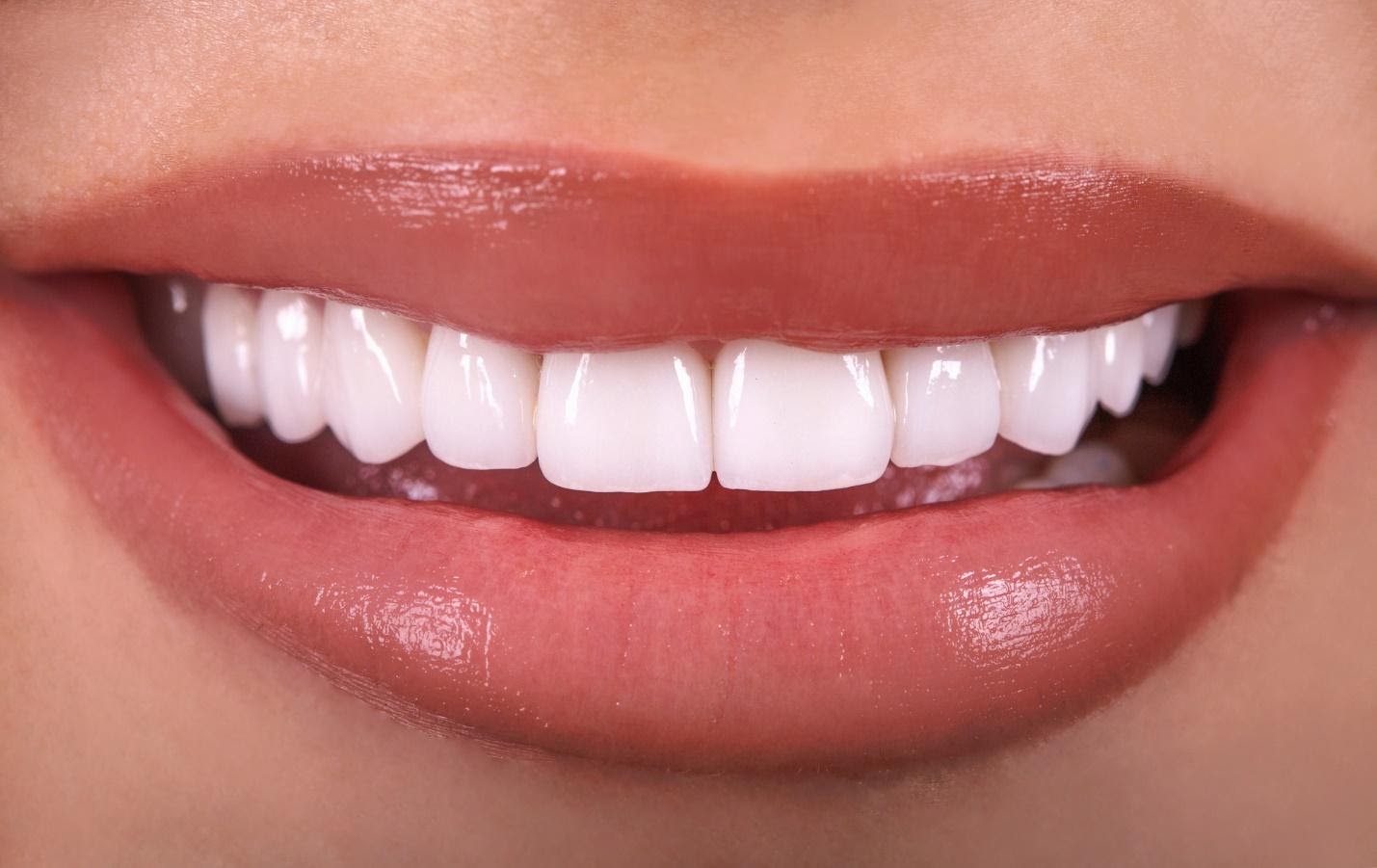
The Biological Shift in Aesthetic Restoration
Beyond Simple Adhesion: The Bioactive Bond
For decades, the philosophy behind dental restoration was fundamentally mechanical. A tooth was prepared, and a prosthetic material was cemented into place, acting as an inert plug to fill a gap or cover a surface. The primary goal was retention—keeping the material attached through strong glues. However, a significant paradigm shift is occurring with the introduction of materials that do more than just sit on the tooth surface; they actively interact with it. This is the dawn of "bioactivity" in dental aesthetics, where the line between the natural tooth structure and the artificial covering begins to blur.
This new approach moves beyond physical adhesion to foster a biological kinship between the host tissue and the restoration. Instead of being a foreign object, these advanced veneers function similarly to the body's own tissues. The interface—the critical zone where the material meets the dentin and enamel—is no longer a passive gap prone to bacterial leakage. It becomes a dynamic environment where the material works in harmony with the organic structure. By mimicking the physical and chemical properties of natural teeth, these innovations reduce the stress points that typically lead to cracks or failures in traditional ceramics. The result is a restoration that feels less like a cap and more like a regenerated part of the patient's own biology.
Remineralization and Long-Term Defense
The true genius of bioactive technology lies in its ability to participate in the oral environment’s constant mineral exchange. Our teeth are under perpetual assault from acids found in food and created by oral bacteria, leading to demineralization—the microscopic softening of the tooth surface. Traditional veneers, while beautiful, could effectively seal off a tooth but did nothing to combat the internal environment if a seal was compromised. In contrast, the latest generation of aesthetic materials possesses the capability to release essential ions, such as calcium, phosphate, and fluoride, when the acidity in the mouth rises.
This ion release triggers a process of localized remineralization, effectively hardening the tooth structure beneath the veneer and neutralizing acidic attacks. It creates a self-repairing cycle that actively fights against the formation of secondary cavities, which are the leading cause of restoration failure. This "smart" behavior transforms the veneer from a passive aesthetic shield into an active health guardian. By maintaining a chemically balanced environment at the microscopic level, these materials prevent bacterial infiltration at the margins. For the patient, this means that the investment in a beautiful smile is backed by a scientifically advanced defense system, ensuring that the health of the underlying tooth is preserved as rigorously as its appearance.
| Feature | Traditional Inert Restorations | Advanced Bioactive Restorations |
|---|---|---|
| Interaction with Tooth | Passive; acts as a barrier only. | Active; exchanges ions with tooth structure. |
| Response to Acid | Neutral; acids can erode margins over time. | Reactive; releases minerals to neutralize pH. |
| Margin Integrity | Reliant solely on adhesive bond strength. | Enhanced by chemical integration and self-repair. |
| Underlying Health | Risks "hidden" decay if micro-leakage occurs. | Promotes remineralization of natural dentin. |
Precision Meets Perception: The Digital Workflow
Intelligent Diagnostics and Concept Creation
The initial phase of modern smile design has transitioned from a subjective art to a data-driven science. Before any physical work begins, computational intelligence plays a pivotal role in diagnostics. Historically, dentists relied heavily on visual inspection and experience to identify structural risks or aesthetic possibilities. Today, systems trained on vast datasets of dental morphology can analyze oral structures with a speed and accuracy that exceeds human capability. These tools do not just look at the surface; they assess the structural integrity, occlusion (bite forces), and potential wear patterns that might compromise a veneer’s longevity.
This technological assistance allows for the creation of a "concept" that is both mathematically precise and biologically safe. By identifying micro-fractures or bite imbalances invisible to the naked eye, the software helps practitioners design a treatment plan that mitigates risk before it happens. This predictive capability shifts the focus from error correction to error prevention. The planning stage now involves creating a digital twin of the patient's mouth, allowing for the simulation of various outcomes. This ensures that the proposed aesthetics are not only visually pleasing but are also engineered to withstand the specific functional forces of the patient’s jaw, leading to a smile that is robust by design.
The Seamless Path from Scan to Smile
Once the concept is solidified, the "creation" phase utilizes a fully digital workflow that connects the clinic to the laboratory with micron-level precision. The days of uncomfortable, goop-filled impression trays are vanishing, replaced by intraoral scanners. These wand-like devices capture thousands of images per second, stitching them into a flawless 3D model of the patient's mouth. This eliminates the physical distortions common with traditional impression materials, such as shrinkage or expansion, which often led to fitting issues.
The data captured is instantly transmitted to Computer-Aided Design and Computer-Aided Manufacturing (CAD/CAM) units. Here, the veneer is designed in a virtual space where every contour, contact point, and surface texture can be manipulated with infinite control. The manufacturing process then uses subtractive milling or additive printing to produce the restoration with exactness that manual craftsmanship struggles to replicate consistently. This digital continuity ensures that the final product is a perfect physical manifestation of the digital design. For the patient, this seamless integration means a significantly faster process, a more comfortable experience, and a final fit that requires little to no adjustment, ensuring the veneer acts as a perfect puzzle piece in the complex environment of the mouth.
Material Science: Strength, Light, and Longevity
The Invisible Strength of Hybrid Polymers
While pure ceramics have long been the standard for aesthetics, they possess a brittleness that can be unforgiving in the high-stress environment of the human mouth. Enter hybrid ceramics—a sophisticated class of materials that fuses the beauty of glass with the resilience of resin polymers. The philosophy behind these hybrids is biomimicry; they are engineered to possess a modulus of elasticity (flexibility) that closely resembles natural dentin. Unlike rigid porcelain, which can transfer shock directly to the underlying tooth or root, hybrid materials absorb and dissipate biting forces, acting as a shock absorber.
This internal flexibility is complemented by advancements in the adhesive interface. The bond between these hybrid materials and the tooth structure is achieved through nanotechnology that creates a fused layer at the molecular level. This eliminates the distinct boundary between tooth and restoration, creating a monoblock structure. This is particularly crucial for patients who grind their teeth or have heavy bite forces. The material bends slightly with the tooth under load rather than snapping, significantly reducing the risk of catastrophic failure. It represents a move away from "harder is better" to "smarter is better," prioritizing resilience and energy absorption over raw stiffness.
| Material Attribute | Traditional Feldspathic Porcelain | Modern Hybrid & High-Tech Ceramics |
|---|---|---|
| Flexibility | Low; brittle and prone to fracture under tension. | High; absorbs shock similar to natural dentin. |
| Thickness Requirement | Often requires significant tooth reduction (0.8mm+). | Can be ultra-thin (0.3mm), preserving enamel. |
| Repairability | Difficult; usually requires total replacement. | Often repairable intra-orally with composite. |
| Wear on Opposing Teeth | Can be abrasive to natural teeth. | Polishes over time; gentler on opposing enamel. |
Mastering Light: The Pursuit of Natural Translucency
In the quest for the ultimate smile, "whiteness" is often secondary to "translucency." Natural teeth are not opaque blocks of color; they are complex structures that filter, reflect, and scatter light. The enamel is crystalline and translucent, while the underlying dentin is more opaque and saturated. Replicating this depth has been the holy grail of material science. Older high-strength materials, like early zirconia, were notoriously opaque, looking lifeless and "fake" despite their durability. Conversely, highly aesthetic glass ceramics were often too weak for stress-bearing areas.
Current innovations have solved this dilemma through complex chemical engineering. By manipulating the microstructure of materials at the nanometer scale, scientists have developed ultra-high translucency variations of high-strength ceramics. These materials allow light to pass through the veneer and reflect off the underlying tooth structure, picking up the natural warmth of the patient's own dentin. This creates a "chameleon effect," where the restoration blends optically with the surrounding dentition. Furthermore, the ability to create gradients of color within a single block of material means the veneer naturally transitions from a more saturated gumline to a sheer, translucent biting edge, mimicking the visual behavior of a virgin tooth perfectly without requiring manual layering of weaker porcelains.
Micro-Thin Engineering and Atomic Adhesion
The convergence of stronger materials and better adhesion has facilitated the rise of the "micro-thin" veneer. Historically, placing veneers required grinding away a significant portion of healthy enamel to create space for the ceramic. Today, we utilize shells that are merely 0.3 to 0.5 millimeters thick—comparable to a contact lens. This ultra-thin profile allows for a conservative approach where little to no natural tooth structure needs to be removed. Preserving the enamel is not just about conservatism; enamel provides the strongest possible bonding substrate for adhesives.
The success of these wafer-thin restorations relies heavily on the "cementation" process, which has evolved into a sophisticated fusion technique. Modern bonding agents utilize monomers that infiltrate the microscopic porosities of the enamel rods. When cured, the adhesive, the veneer, and the tooth become a single integrated unit. This eliminates the "cement line" that often stained or washed out in older treatments. Because the material is so thin, it does not look bulky or over-contoured. Instead, it creates a new outer skin for the tooth that is incredibly durable despite its delicacy. The seamless fit, achieved through the digital scanning mentioned earlier, ensures there are no ledges to trap plaque, facilitating gum health and ensuring that the restoration remains pristine for a decade or more.
Q&A
-
What are the potential applications of bioactive ceramic research in dentistry?
Bioactive ceramic research in dentistry focuses on developing materials that can interact positively with biological tissues. These ceramics are used for bone regeneration, dental implants, and restorative materials due to their ability to bond with bone and soft tissues. Their bioactivity can lead to improved healing and integration, making them ideal for applications such as periodontal treatments and endodontic therapy.
-
How does AI smile design prediction improve dental treatment planning?
AI smile design prediction utilizes advanced algorithms to analyze a patient's facial features and dental structure, creating a customized smile design. This technology enhances treatment planning by allowing dentists to visualize potential outcomes and make informed decisions. It improves patient satisfaction by providing a preview of the expected results and helps in achieving a more aesthetically pleasing and functional smile.
-
What are the advantages of using hybrid ceramic polymers in restorative dentistry?
Hybrid ceramic polymers combine the strength of ceramics with the flexibility of polymers, offering superior durability and aesthetics. These materials are less brittle than traditional ceramics, reducing the risk of fractures. They also provide excellent wear resistance and a natural appearance, making them suitable for crowns, bridges, and veneers. Their ease of manipulation and bonding capability enhance the efficiency of dental restorations.
-
In what ways do ultra high translucency materials benefit dental prosthetics?
Ultra high translucency materials mimic the natural appearance of teeth by allowing light to pass through similarly to enamel. This translucency provides a more lifelike appearance in dental prosthetics such as crowns and veneers. Additionally, these materials offer excellent color matching and blending with surrounding teeth, enhancing the aesthetic outcomes of restorative treatments.
-
How does adhesive interface nanotechnology enhance dental bonding procedures?
Adhesive interface nanotechnology improves the strength and durability of dental bonds by optimizing the interaction at the microscopic level between dental materials and tooth surfaces. This technology enhances the adhesion of restorative materials to teeth, reducing the risk of debonding and marginal leakage. It also contributes to longer-lasting restorations and minimizes the need for repair or replacement, ultimately benefiting both dentists and patients.