
The Unspoken Struggles of Living with Dentures
Adjusting to artificial replacements can be a daunting experience for many. Everyday life becomes a balancing act, as individuals navigate unexpected hurdles that impact their comfort and well-being. With persistent challenges lurking, understanding these silent struggles is crucial for improving quality of life and ensuring lasting satisfaction.
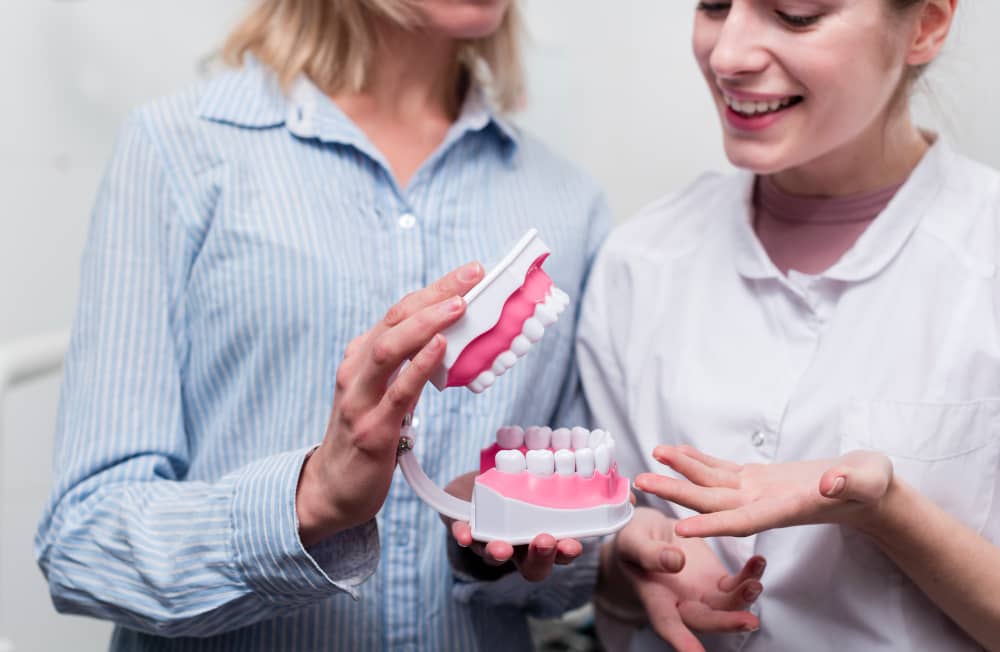
The Shifting Landscape of Fit and Comfort
Why the Perfect Fit Doesn't Last Forever
It is a common scenario: your appliance felt seamless when you first received it, but months or years later, a persistent ache begins to develop. This phenomenon is rarely due to a defect in the manufacturing but rather stems from the dynamic nature of the human body. The oral environment is never static. Once natural teeth are removed, the alveolar bone—the ridge of bone that once anchored the tooth roots—loses its primary function and stimulation. Consequently, the body begins a natural process of resorption, causing the bone and the overlying gum tissue to gradually shrink and thin out over time.
This physiological recession creates a microscopic disparity between the hard acrylic base of the prosthetic and the changing contours of the gum tissue. Even a gap the width of a hair can disrupt the vacuum seal required for stability. When this "fit discrepancy" occurs, the appliance begins to rock or shift slightly during conversation or chewing. Instead of sitting flush against the tissue, it moves, creating instability that is often the root cause of chronic soreness. Many wearers assume the device has warped, but in reality, their mouth has changed shape beneath it. Understanding that this is a biological inevitability rather than a mechanical failure is the first step in managing expectations and seeking timely relining or adjustments to restore that crucial stability.
The Friction on Delicate Tissues
The mucous membrane lining the mouth is incredibly sensitive and was not evolutionarily designed to bear the compressive force of chewing. To understand the discomfort, imagine the sensation of a tiny grain of sand in your eye or a pebble in your shoe; the mouth is equally responsive to minute irritants. An artificial appliance is made of rigid materials like acrylic or metal, yet it rests upon soft, yielding tissues that are rich in nerve endings. When the fit is less than perfect, the chewing force—which can be substantial—is not distributed evenly. Instead, it concentrates on specific pressure points.
This creates a scenario similar to wearing a pair of stiff new shoes without socks. As the rigid base rubs against the soft mucosa with every bite or word spoken, it creates friction. Over time, this repetitive mechanical stress can erode the top layer of the gum tissue, leading to painful abrasions or "sore spots." If ignored, these surface irritations can deepen into ulcers, making even the act of swallowing painful. The problem is exacerbated by the fact that the appliance creates a covered environment, trapping heat and potentially small food particles that act as further abrasives. The transition from a natural suspension system (teeth) to a compression system (gums) requires the soft tissues to toughen up, but when the friction is excessive, the tissue breaks down faster than it can heal, leading to a cycle of sharp pain and discomfort.
The Critical Role of Hydration
A factor that is often underestimated in oral comfort is the volume and quality of saliva. Saliva is not merely a digestive aid; it acts as a vital lubricant and a protective buffer between the hard surface of the prosthetic and the soft gum tissue. It creates a thin, cohesive film that helps seal the appliance in place, enhancing suction and reducing friction. However, many individuals face a reduction in saliva production due to aging, side effects of common medications, or general dehydration.
When the mouth becomes dry, the natural cushioning effect is lost. The acrylic base rubs directly against the parched mucosa, significantly increasing the likelihood of abrasion and burning sensations. Furthermore, without the surface tension provided by saliva, the retention of the appliance is compromised. It becomes more likely to drop or slide, leading to increased movement and, subsequently, more irritation. This lack of lubrication can create a vicious cycle where the wearer uses adhesives to compensate for the lack of suction, which can sometimes be difficult to clean from a dry mouth, leading to further irritation. managing hydration is, therefore, not just a general health concern but a mechanical necessity for anyone wearing removable dental appliances.
Hidden Health Risks and Dietary Adjustments
Recognizing Silent Inflammation
Beyond the sharp pain of a sore spot, there is a more insidious condition that many wearers overlook until it is pointed out by a professional. This is a chronic inflammation often caused by a fungal infection, specifically an overgrowth of Candida albicans. The oral cavity is dark, warm, and moist—an ideal breeding ground for microscopic organisms. When a prosthetic covers the palate or gums for 24 hours a day without respite, or if hygiene practices are less than rigorous, this environment becomes stagnant, allowing yeast to proliferate on the porous surface of the acrylic.
Unlike the sharp, localized pain of a pressure ulcer, this type of inflammation often presents as a generalized redness or a velvety texture across the area covered by the appliance. It may cause a burning sensation or a bad taste, but surprisingly, it is not always acutely painful in its early stages. This leads many to ignore the "red roof" of their mouth, assuming it is normal irritation. Individuals with diabetes or compromised immune systems are at higher risk. This condition highlights the importance of regarding the appliance not just as a tool for eating, but as a potential vector for infection if not sanitized correctly. It shifts the focus from simple mechanical cleaning to biological management of the oral environment.
| Feature | Physical Pressure Sore | Fungal Inflammation (Stomatitis) |
|---|---|---|
| Primary Cause | Mechanical friction, loose fit, or uneven bite. | Bacterial/fungal overgrowth due to poor hygiene or continuous wear. |
| Visual Signs | Localized white or red ulcer, clearly defined borders. | Generalized redness over the entire area covered by the appliance. |
| Sensation | Sharp, stabbing pain when chewing or touching. | Burning sensation, itching, or sometimes painless. |
| Resolution | Requires adjustment of the appliance to relieve pressure. | Requires anti-fungal treatment and improved hygiene/cleaning habits. |
The Altered Reality of Eating
Transitioning to removable prosthetics fundamentally changes the mechanics of eating. Natural teeth are embedded in bone via the periodontal ligament, a tissue rich in proprioceptive fibers. These fibers act as sophisticated sensors, telling the brain exactly how hard to bite and the texture of the food. When natural teeth are lost, these sensors go with them. The wearer is left trying to gauge bite force through the pressure felt on the gums, which is a much duller and less precise signal. This sensory disconnection is often described as trying to perform delicate work while wearing thick, heavy mittens.
Furthermore, the stability of the appliance is strictly mechanical. Unlike anchored teeth, dentures essentially float on the gums. Sticky foods can pull them loose, and biting into something hard on one side can cause the opposite side to tip up—a "teeter-totter" effect. This instability forces the wearer to change their chewing pattern from a grinding motion to a vertical chopping motion and requires food to be distributed evenly on both sides of the mouth to maintain balance. The palate, which plays a role in tasting and manipulating food, is often covered by the upper plate, dulling the sensory experience of temperature and texture. This barrier can make eating feel distant and less satisfying, requiring a significant psychological and physical adjustment period to relearn the art of consumption.
Mechanics, Maintenance, and Social Confidence
Preventing Accidental Damage and Warping
The longevity of a dental appliance is heavily dictated by how it is handled when not in the mouth. A surprising number of fractures occur not during chewing, but during the daily cleaning routine. Bathroom sinks are typically made of hard porcelain or ceramic, and soapy hands are slippery. A drop of just a few feet can cause the acrylic base to shatter or a critical metal clasp to bend, rendering the device unusable. A simple yet effective safeguard is to partially fill the sink with water or place a folded towel in the basin before starting the cleaning process. This acts as a shock absorber, saving the appliance from catastrophic damage in the event of a slip.
Equally important is understanding the material science of the appliance. The acrylic used is designed to function in a moist environment. If allowed to dry out completely, the plastic can dehydrate, causing it to shrink or warp microscopically. This warping might not be visible to the naked eye, but it destroys the intimate fit with the gums, leading to pressure spots and instability. Therefore, the golden rule of maintenance is to keep the appliance moist—either in the mouth or soaking in water or a mild solution—whenever it is not being worn. Additionally, the use of hot water for sterilization is a common error; high heat causes immediate distortion of the acrylic, permanently ruining the fit.
| Maintenance Habit | Impact on Appliance | Expert Verdict |
|---|---|---|
| Scrubbing with standard toothpaste | Abrasives create micro-scratches that harbor bacteria and odors. | Avoid: Use specific cleansers or mild soap. |
| Soaking in boiling water | Warps the acrylic shape, destroying the fit. | Avoid: Use lukewarm or cool water only. |
| Leaving out on a nightstand dry | Causes material to dry out, shrink, and become brittle. | Avoid: Always store in liquid. |
| Cleaning over a water-filled sink | Provides a cushion if the slippery appliance is dropped. | Recommended: Prevents accidental breakage. |
The Embarrassment of Unexpected Noises
A frequent source of social anxiety for wearers is the fear of their appliance making noise. A distinct "clicking" or "clacking" sound during speech or eating can be mortifying. This auditory issue is almost always a symptom of lost retention. When the suction seal is broken, the appliance drops slightly from the palate or lifts from the lower ridge. As the wearer closes their mouth to speak or chew, the teeth collide before the appliance is fully seated against the gums, creating a sharp, plastic-on-plastic or porcelain sound.
This instability is often linked to the aforementioned bone resorption. As the jawbone shrinks, air pockets form where there used to be a tight seal. Air ingress breaks the vacuum, turning the appliance into a loose object that rattles against the opposing teeth. Furthermore, subconscious habits can exacerbate this. Wearers often develop "fidgets"—using the tongue or cheek muscles to lift and reseat the loose appliance constantly. This habitual playing with the device not only produces noise but accelerates the wear on the remaining ridges. Resolving this usually requires a reline to fill the air gaps and restore the vacuum, effectively silencing the movement. It is a mechanical issue that signals the need for maintenance, not a personal failure in wearing them.
Q&A
-
What are common causes of loose dentures, and how can they be fixed?
Loose dentures can result from natural changes in the gums and jawbone over time, as well as wear and tear on the denture itself. To fix loose dentures, a dentist might recommend relining or rebasing the existing denture, or creating a new one to ensure a better fit. Regular dental check-ups can help identify these issues early.
-
How can sore gums from dentures be alleviated?
Sore gums can be alleviated by ensuring that dentures fit properly. Over-the-counter dental creams can provide temporary relief, but it's crucial to consult a dentist for adjustments. Regular cleaning of dentures and maintaining oral hygiene can also prevent gum irritation.
-
What are effective solutions for difficulty chewing with dentures?
Difficulty chewing with dentures may be due to an improper fit or the need for a period of adjustment. Eating softer foods, cutting food into smaller pieces, and practicing chewing slowly can help. If the issue persists, a dentist can adjust the dentures for better functionality.
-
What is denture stomatitis, and how is it treated?
Denture stomatitis is an inflammation of the mouth's soft tissues under a denture, often caused by yeast infections. Treatment includes proper denture hygiene, removing dentures at night, and using antifungal medications as prescribed by a dentist. Regular dental visits are essential for preventing and managing this condition.
-
What steps should be taken if dentures become cracked or broken?
If dentures crack or break, it's important to visit a dentist as soon as possible. Do not attempt to repair them with household glue, as this can cause further damage and is not safe for oral tissues. A dentist can professionally repair or replace the denture to restore its function and appearance.