
The Art of Partial Dentures: Balance Between Function and Aesthetics
Advancements in dental technology are dramatically transforming the creation and functionality of dental appliances for missing teeth. These developments emphasize personalized solutions that prioritize comfort, durability, and aesthetic appeal, encouraging long-term oral health. The latest trends now lean heavily towards digital precision and innovative materials, offering a glimpse into the future of dentistry.
The Evolution of Material Science and Aesthetics
Disappearing Acts: The Shift to Non-Metal Frameworks
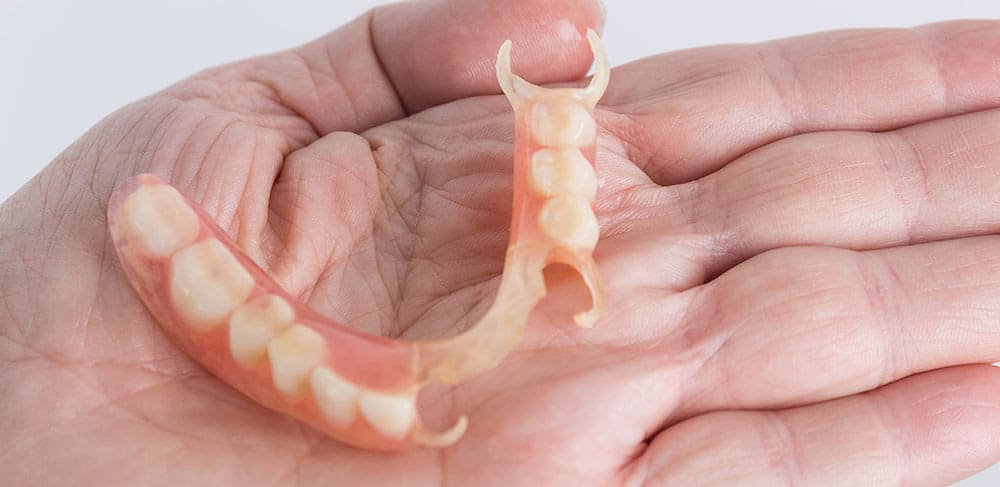
For decades, the mention of dental appliances for missing teeth conjured images of heavy acrylic bases and visible metal hooks, known as clasps, wrapping around natural teeth. While functional, these traditional designs often caused self-consciousness, as the metallic glint was easily visible when smiling or speaking. Today, material science has fundamentally altered this landscape. The industry is moving rapidly toward high-performance thermoplastic resins and "invisible" materials, such as Polyetheretherketone (PEEK), which eliminate the need for unsightly metal components in the smile zone.
These advanced biocompatible materials offer significant advantages beyond just aesthetics. They are engineered to blend seamlessly with the natural color of the gums and teeth, effectively camouflaging the appliance within the mouth. Furthermore, they address one of the most common complaints regarding traditional options: weight. Modern non-metal frameworks are exceptionally lightweight, reducing the gravitational pull on the remaining teeth and minimizing the sensation of having a foreign object in the mouth.
Durability has also seen a revolution through nanotechnology. New composite materials are designed to be shock-absorbing, mimicking the natural flexibility of bone and periodontal ligaments. Unlike rigid metal that transfers occlusal stress directly to the abutment teeth—potentially loosening them over time—these flexible polymers help distribute chewing forces more evenly. This "stress-breaking" capability is crucial for preserving the health of the remaining natural teeth. Additionally, modern polymers are less porous than older acrylics, making them more resistant to stain absorption and bacterial growth, provided they are maintained correctly.
| Feature | Traditional Metal-Based Designs | Modern High-Performance Polymer Designs |
|---|---|---|
| Aesthetic Appearance | Visible metal clasps can interfere with the smile line | Tooth or gum-colored clasps blend naturally with oral tissue |
| Weight & Comfort | Heavier, rigid structure may feel bulky | Extremely lightweight and flexible for higher comfort |
| Biocompatibility | Risk of metal allergies or galvanic shock | Hypoallergenic, metal-free, and tissue-friendly |
| Impact on Natural Teeth | Rigid metal can exert torque on anchoring teeth | Flexible material absorbs shock, reducing stress on abutment teeth |
The Digital Revolution in Prosthetics
Precision Fits Through 3D Scanning Technology
The journey to restoring a smile used to begin with a universally dreaded procedure: the impression. This involved filling a large tray with a cold, goo-like alginate or silicone material and holding it in the patient's mouth for several minutes. For patients with a sensitive gag reflex, this was an ordeal that caused significant anxiety. Fortunately, the integration of digital dentistry has rendered this physical discomfort largely obsolete. Intraoral scanners—small, wand-like cameras—can now map the entire oral cavity in minutes, capturing thousands of images to create a flawless 3D digital model.
This shift from analog to digital is not merely about comfort; it is about achieving micrometer-level accuracy. Traditional physical molds are subject to expansion and contraction depending on temperature and humidity, leading to slight inaccuracies in the final prosthetic. Digital scans, however, provide an exact replica of the hard and soft tissues. This precision allows dental laboratories to design frameworks that fit intimately against the gums and remaining teeth. A superior fit significantly reduces common issues such as food particles getting trapped under the base or the appliance shifting during speech.
Furthermore, digital design software (CAD) enables the creation of complex retention strategies that were difficult to achieve by hand. Designers can identify "undercuts"—subtle contours on the teeth—to place retention arms in the most hidden and effective locations. For instance, the use of I-bar designs or precision attachments can be simulated digitally to ensure they provide maximum hold without exerting excessive force on the supporting teeth. The result is a prosthetic that "clicks" into place with a satisfying stability, restoring the ability to chew and speak with confidence almost immediately.
Best Practices for Hygiene and Longevity
Maintaining the Balance Between Appliance and Natural Teeth
While modern appliances are constructed from robust materials, their longevity relies heavily on how they are cared for on a daily basis. A common misconception is that artificial teeth can be scrubbed just like natural teeth. However, the abrasive particles found in standard toothpaste can be detrimental to the resin materials used in prosthetics. Micro-scratches caused by vigorous brushing with abrasive pastes create rough surfaces where bacteria and plaque can accumulate, leading to bad odors and staining. Instead, cleaning should be done with a soft-bristle brush and a non-abrasive cleaner, such as mild soap or a specific denture cleanser, preferably over a basin filled with water or a soft towel to prevent breakage if dropped.
Equally important is the concept of "tissue rest." Dental professionals universally recommend removing removable appliances before sleep. Continuous wear restricts the flow of saliva to the gums, which is essential for natural cleansing and maintaining healthy blood flow in the soft tissues. Sleeping without the appliance allows the gums to breathe and recover from the day's pressure, reducing the risk of fungal infections like stomatitis.
When the appliance is not in the mouth, it must never be left to dry out. The materials used, particularly acrylics and certain flexible resins, require hydration to maintain their dimensional stability. Drying out can cause the prosthetic to warp, resulting in a poor fit that can damage the remaining teeth. Storing the appliance in water or a soaking solution overnight is a critical habit. Finally, regular professional check-ups are vital. The mouth is a dynamic environment; bone ridges shrink and teeth shift over time. Regular adjustments ensure the appliance continues to fit correctly without causing trauma to the underlying bone or remaining dentition.
| Care Activity | Recommended Practice | Why It Matters |
|---|---|---|
| Daily Cleaning | Use a soft brush and mild soap/specialized cleaner | Prevents micro-scratches that harbor bacteria and cause odors |
| Overnight Storage | Submerge completely in water or soaking solution | Prevents the material from warping or cracking due to dryness |
| Gum Health | Remove appliance while sleeping | Allows gum tissue to rest, recover, and receive natural saliva flow |
| Handling | Clean over a water-filled sink or soft towel | Acts as a cushion to prevent fracture if the appliance is dropped |
Q&A
-
What are Removable Partial Dentures and when are they typically used?
Removable Partial Dentures (RPDs) are dental prostheses used to replace missing teeth for patients who still have some natural teeth remaining. They are typically used when a patient has lost one or more teeth but retains several healthy teeth, allowing the RPD to be anchored securely while restoring function and aesthetics.
-
How does clasp design affect the functionality of partial dentures?
Clasp design for partials is crucial because it affects the retention, stability, and comfort of the denture. The clasp must be designed to engage the undercuts of the remaining natural teeth without causing damage. Proper design ensures that the denture stays in place during chewing and speaking, while also being easy to remove and insert.
-
In what situations are Temporary Partial Dentures recommended, and what benefits do they offer?
Temporary Partial Dentures, also known as flippers, are recommended for use immediately after tooth extraction or during the healing period before a permanent solution is available. They offer benefits such as maintaining oral aesthetics, preventing tooth migration, and allowing patients to adapt gradually to wearing dentures.
-
What are Precision Attachment Partials, and how do they differ from traditional partial dentures?
Precision Attachment Partials use precision attachments instead of clasps to connect the denture to the abutment teeth. This design provides a more aesthetically pleasing appearance as there are no visible metal clasps. Additionally, they offer improved retention and stability compared to traditional clasp-retained partials.
-
What are essential tips for caring for partial dentures to ensure their longevity?
Caring for partial dentures involves daily cleaning to remove food particles and plaque. It is important to brush them with a soft-bristle toothbrush and non-abrasive cleaner. When not in use, dentures should be stored in water or a denture cleanser solution to prevent them from drying out. Regular dental check-ups are also essential to adjust the fit and ensure oral health.