
From Pressure Sores to Candida: Exploring the Roots of Denture Stomatitis
In the delicate ecosystem of the mouth, maintaining balance can be challenging, especially when foreign objects are involved. Adjustments to oral prosthetics can dramatically affect comfort and health, sometimes leading to unwelcome inflammation and infection. Exploring these repercussions provides insight into their broader impacts on overall oral well-being.
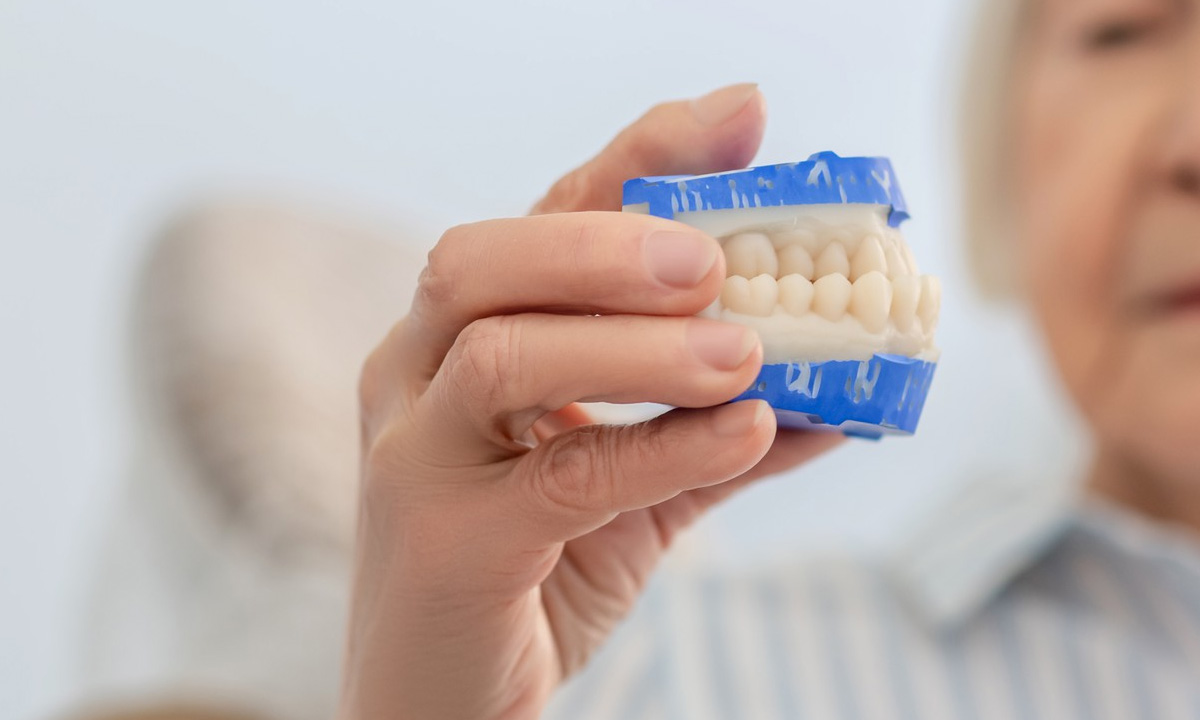
The Physical Mechanics of Discomfort
When Friction Compromises Support Tissues
When a prosthetic device feels uncomfortable, the immediate concern is often simply the inability to chew a favorite meal or a slight annoyance while speaking. However, beneath this surface-level discomfort lies a mechanical failure that can wreak havoc on the delicate lining of the mouth. Imagine walking a long distance in shoes that are a size too small or loosely tied; the constant rubbing inevitably leads to blisters and raw skin. A similar, yet more complex process occurs within the oral cavity when the structural base of a dental appliance does not perfectly mirror the contours of the gums.
If the framework of the appliance is loose or has degraded over time, it begins to rock and shift with every movement of the jaw. This instability creates a cycle of chronic trauma. The support tissues—the gums and underlying bone—are subjected to shear forces they were never designed to withstand. Unlike the tough skin on our heels, the mucous membranes in the mouth are fragile. Continuous friction strips away the protective outer layer of these tissues, leaving them raw, inflamed, and highly susceptible to bacterial invasion.
Furthermore, an ill-fitting framework often results in uneven distribution of bite force. Instead of spreading pressure across the entire arch, the appliance may hammer down on specific "hot spots." This localized intensity acts like a tourniquet, compressing blood vessels and cutting off essential circulation to that specific area. Without adequate blood flow, the tissue’s natural immune defense plummets. It becomes ischemic—starved of oxygen—and loses its ability to heal or resist minor irritations. Over time, these neglected pressure points can evolve into painful ulcers or pressure sores, signaling that the biological relationship between the device and the body has fundamentally broken down.
The Silent Microbial Invasion
The Hidden World of Fungal Overgrowth
Beyond the physical trauma of a rocking appliance lies a microscopic threat that is often the primary culprit behind persistent redness and inflammation. The human mouth is naturally home to a vast community of microorganisms, including a yeast-like fungus known as Candida Albicans. In a healthy oral environment, this fungus exists harmlessly, kept in check by beneficial bacteria and a robust immune system. However, the dark, warm, and moist environment beneath a dental prosthetic creates an ideal incubator for this organism to flourish if the ecological balance is disturbed.
The problem is exacerbated by the porous nature of older prosthetic materials. To the naked eye, the pink acrylic base looks smooth and solid. Under a microscope, however, it resembles a sponge, riddled with tiny pits and craters. These microscopic voids serve as bunkers where Candida Albicans can hide and multiply, protected from the sweeping action of saliva and the mechanical action of a toothbrush. Once established, these colonies produce a slimy protective layer known as a biofilm. This biofilm acts as a shield, making the fungus incredibly resistant to standard rinsing or even mild antifungal treatments.
This shift from a harmless resident to an aggressive pathogen is often described as an "opportunistic" infection. When the support tissues are already irritated by friction, or when the mouth is dry due to aging or medication, the fungus seizes the opportunity to invade the weakened mucosal barrier. The result is a condition characterized by angry red tissue that may burn or itch, often mistaken for simple chafing but actually requiring targeted intervention to resolve the fungal imbalance.
Restoring Balance Through Hygiene and Professional Care
Mastering Daily Oral Hygiene Protocols
Breaking the cycle of inflammation requires more than just willpower; it demands a strategic overhaul of daily cleaning habits. Many wearers inadvertently damage their appliances in a quest for cleanliness. A common mistake is using standard toothpaste and stiff-bristled brushes to scrub the device. Most commercial toothpastes contain abrasives designed for hard tooth enamel, not softer acrylics. Scrubbing creates micro-scratches on the surface of the appliance, which ironically provides more surface area for the biofilm to anchor itself, leading to persistent reinfection.
Effective oral hygiene protocols focus on chemical disinfection rather than mechanical abrasion. This involves using cleaners specifically formulated to dissolve the biofilm without damaging the acrylic. Equally important is the concept of "tissue rest." Just as feet need relief from shoes after a long hike, the gums require time to recover from the pressure of a prosthetic. Sleeping with the appliance in prevents the saliva from naturally washing over and oxygenating the gums. The hypoxic (low oxygen) environment created by 24-hour wear is the perfect breeding ground for anaerobic bacteria and fungi.
Dietary choices also play a supportive role. A diet high in sugars and refined carbohydrates feeds the fungal colonies, accelerating their growth. By reducing sugar intake and ensuring proper hydration to support saliva production, wearers can create an oral environment that is hostile to infection. The goal is to transform the daily routine from a simple cleaning task into a comprehensive health strategy that protects both the device and the living tissue beneath it.
The Necessity of Professional Maintenance
Even with impeccable home care, the anatomy of the jaw changes inevitably over time. As we age, the bone ridges that support the prosthetic naturally shrink and reshape, a process known as resorption. This means that a device manufactured five years ago cannot possibly fit the jaw of today perfectly. Relying on store-bought adhesives to fill these growing gaps is a temporary band-aid that often masks worsening underlying issues.
Professional intervention is the only way to re-establish true harmony between the device and the mouth. Dentists can perform a procedure known as a soft reline, where a pliable material is added to the inner surface of the denture. This new layer acts as a shock absorber, cushioning the support tissues and filling the voids that harbor bacteria. This resurfacing restores the intimate fit of the appliance, eliminating the friction that causes pressure sores.
Furthermore, modern dentistry offers advanced materials that are denser and less porous than traditional acrylics, resisting bacterial colonization from the start. Regular professional check-ups are not just about checking for cavities in remaining teeth; they are crucial for assessing the fit of the framework and the health of the mucosa. Early detection of ill-fitting areas allows for adjustments before they escalate into chronic stomatitis. Viewing the prosthetic not as a "fix-and-forget" tool but as a medical device requiring periodic calibration is the key to long-term oral health.
| Feature | Home Maintenance (DIY) | Professional Intervention |
|---|---|---|
| Primary Goal | Daily removal of biofilm and food debris; giving tissues rest. | Structural adaptation to bone changes; deep clinical disinfection. |
| Methods Used | Soft brushes, non-abrasive cleansers, soaking solutions. | Soft reline, hard reline, occlusal (bite) adjustments, ultrasonic cleaning. |
| Frequency | Daily routine (morning and night). | Every 6 to 12 months, or immediately upon feeling discomfort. |
| Limitations | Cannot change the shape of the denture; cannot fix rocking. | Requires office visits; creates a permanent or semi-permanent correction. |
Q&A
-
What are pressure sores and how do they relate to oral health?
Pressure sores, also known as pressure ulcers, are areas of damaged skin and tissue that occur due to prolonged pressure. In the context of oral health, they can develop in the mouth due to ill-fitting dental prosthetics which exert constant pressure on the gums and other oral tissues. Proper fitting and regular adjustments of dental devices are crucial to prevent such sores and maintain oral health.
-
How can Candida Albicans affect the oral cavity and what are the preventive measures?
Candida Albicans is a type of yeast that can cause oral thrush, an infection leading to white patches and discomfort in the mouth. It thrives in moist environments and can be exacerbated by poor oral hygiene or compromised immune systems. Preventive measures include maintaining good oral hygiene, using antifungal mouthwashes if needed, and ensuring dental appliances are clean and well-fitted.
-
What is a soft reline and when is it necessary for dental prosthetics?
A soft reline involves adding a soft, pliable material to the underside of a dental prosthesis to improve comfort and fit. It is necessary when the underlying support tissues have changed, often due to resorption or weight loss, making the prosthesis uncomfortable or unstable. This procedure can help prevent pressure sores and enhance the overall stability of the denture.
-
What problems can arise from an ill-fitting framework in dental prosthetics?
An ill-fitting framework in dental prosthetics can lead to several issues, including discomfort, pressure sores, and even damage to the support tissues. It can also cause the prosthesis to move or become dislodged during use, affecting speech and chewing efficiency. Regular dental check-ups and adjustments are essential to ensure the framework fits correctly and comfortably.
-
Why are oral hygiene protocols important for individuals with dental prosthetics?
Oral hygiene protocols are crucial for individuals with dental prosthetics to prevent infections, such as those caused by Candida Albicans, and to maintain the health of the support tissues. These protocols include regular cleaning of the prosthetics, maintaining good oral hygiene practices, and visiting the dentist for routine check-ups. Proper adherence helps prevent complications and ensures the longevity of the dental prosthetics.