
From Pockets to Recovery: The Role of SRP in Oral Health
Delving into the intricate world of oral health reveals crucial techniques that demand precision and expertise. Addressing the challenges beneath the gum line fosters not only healing but sustains overall oral vitality. Such meticulous care forms the cornerstone of progressive treatment, ensuring long-term balance and aesthetic harmony in dental health.
The Hidden Landscape of Gum Health
Tackling the Invisible Threat
When we think about dental care, we often focus on what we can see in the mirror: the whiteness of the enamel or the alignment of the smile. However, the true battleground for oral longevity lies in the dark, narrow spaces between the teeth and gums, often referred to as pockets. Standard brushing and flossing are essential, but they have physical limitations; they simply cannot reach deep enough to address the bacterial colonies that thrive in these submerged areas. This is where the initial phase of professional deep cleaning comes into play. The primary goal here is Subgingival Biofilm Control, a process that goes far beyond cosmetic polishing.
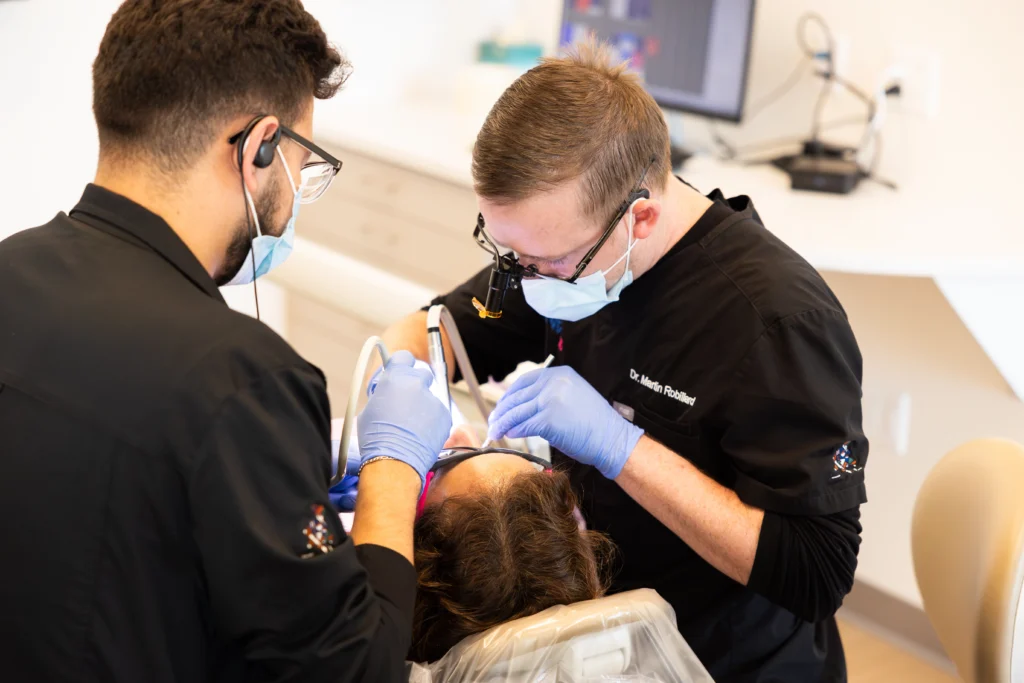
In this deep zone, plaque calcifies into tartar, becoming a rough, porous fortress for bacteria. This creates a toxic environment that constantly irritates the surrounding tissues. Dentists or hygienists utilize specialized instruments, such as ultrasonic scalers and hand curettes, to mechanically remove these deposits. The practitioner relies heavily on tactile sensitivity, feeling for vibrations and resistance that indicate the presence of deposits on the root surface. It is a procedure requiring immense dexterity, as the goal is to eliminate the source of infection without causing unnecessary trauma to the soft tissue. By removing these hardened bacterial reservoirs, we strip away the primary agitators causing the body’s inflammatory response, setting the stage for the next crucial phase of healing.
The Art of Creating a Healing Surface
Once the bulk of the deposits are removed, the focus shifts to the texture of the tooth root itself. If the root surface remains rough or irregular, it acts like Velcro for bacteria, allowing immediate recolonization and preventing the gums from healing properly. This is the core concept behind Scaling and Root Planing. The "planing" aspect is akin to sanding a piece of wood to a glass-like finish. The practitioner meticulously smooths the cementum—the surface layer of the root—removing embedded toxins and irregularities.
This smoothing process is vital for biological recovery. A clean, polished root surface invites the gum tissue to rest closely against the tooth again, reducing the space where bacteria can hide. It is not merely about cleaning; it is about altering the microscopic landscape of the tooth to favor health over disease. Modern advancements often pair this mechanical smoothing with chemical therapies, such as antimicrobial irrigation or laser therapy, to further reduce the bacterial load. The ultimate objective is to create a biologically compatible surface that encourages the body's natural attachment mechanisms to kick in, effectively sealing out future invaders and allowing the chronic inflammation to subside.
Restoring Stability from Within
Preserving the Foundation
While bleeding gums are the most visible alarm bell of periodontal disease, the silent destruction occurring in the bone is far more critical. The alveolar bone serves as the structural foundation that anchors teeth into the jaw. When inflammation persists unchecked, the body’s immune response inadvertently begins to break down this bone tissue in an attempt to retreat from the bacterial onslaught. This process, known as Alveolar Bone Loss, is often painless until it reaches advanced stages where teeth become mobile.
The deep cleaning therapy aims to halt this erosion immediately. It is crucial to understand that in most non-surgical cases, we cannot regrow the bone that has already been lost to disease. Instead, the victory lies in stabilization. By removing the bacterial toxins from the root surface, we stop the chemical signaling that tells the bone to recede. Saving the existing bone levels is the priority; maintaining the current height of the bone ensures that the teeth remain functional for decades to come. Think of it as putting out a fire in a house; you may not instantly rebuild the burnt room, but you have saved the rest of the structure from collapsing.
| Aspect | Active Inflammation Phase | Post-Treatment Recovery Phase |
|---|---|---|
| Tissue Texture | Spongy, swollen, and prone to bleeding upon touch. | Firm, pink, and resilient; tight against the tooth surface. |
| Pocket Environment | Deep crevices filled with active bacteria and calculus. | Shallower depths promoting a self-cleansing environment. |
| Bone Status | Active resorption (loss) due to immune response. | Stabilized levels with no further active destruction. |
| Biological Goal | Defense: The body is fighting an active invasion. | Adaptation: The body is re-establishing a seal. |
The Journey of Tissue Reattachment
Following the mechanical removal of irritants and the smoothing of the root, the body begins a remarkable healing process. The goal is the reduction of Periodontal Pocket Depth. As the inflammation subsides, the gum tissue, which was previously swollen and detached, begins to tighten. This is often described as the tissue "zipping up" around the neck of the tooth. It is not necessarily that the gum grows back, but rather that the swelling resolves, and a specialized tissue seal, known as the long junctional epithelium, forms against the clean tooth surface.
This reduction in pocket depth is the most significant metric of success. A shallow pocket is easier for the patient to clean at home and harder for aggressive bacteria to colonize. During this recovery phase, patience is required. The reattachment process does not happen overnight. The tissue needs weeks to mature and strengthen. A successful outcome is characterized by the absence of bleeding and a significant decrease in the depth of the pockets measured during probing. This transformation turns a high-risk environment into a manageable one, allowing the patient to maintain health with proper daily care.
Navigating Expectations and Reality
Sensations and Aesthetic Changes
Patients often harbor misconceptions regarding the aftermath of deep cleaning, particularly concerning physical sensations and the appearance of their teeth. A common concern arises when patients notice spaces appearing between their teeth or feel that their teeth look "longer" after treatment. This phenomenon is often mistaken for damage, but it is actually a sign of healing. The condition known as Gingival Recession in this context is often the result of the swollen, inflamed tissue shrinking back to its healthy, tight volume.
When the gums are diseased, they are edematous (swollen with fluid), which artificially covers more of the tooth and fills the spaces between teeth. Once the infection is removed via Scaling and Root Planing, the swelling resolves, revealing the true level of the tissue. While this can be aesthetically jarring and may temporarily lead to thermal sensitivity to cold water or air, it indicates that the infection is gone. The "gaps" are simply the spaces that were previously filled with inflamed tissue and tartar. Understanding that this constitutes a return to health rather than a new injury is vital for mental peace during recovery. Sensitivity usually diminishes as the tooth adapts, but the stability gained is permanent.
Moving Beyond the "Cure" Mentality
There is a dangerous myth that periodontal treatment is a "one-and-done" fix, similar to filling a cavity. However, periodontal health is more comparable to managing a chronic condition like diabetes or high blood pressure. The treatment resets the environment, but it does not change the patient's genetic susceptibility or the bacterial ecosystem permanently. Without a fundamental shift in daily habits, the bacteria will recolonize, and the pockets will deepen again within months.
The initial therapy is merely the starting line. The misconception that "my dentist fixed it, so I am safe" leads to relapse. The reality is that the biological battle against bacteria is continuous. The success of the procedure relies heavily on what happens after the patient leaves the chair. It requires a mental shift from passive reception of treatment to active participation in health. The physical removal of tartar provides a clean slate, but only consistent, daily disruption of new plaque can prevent the return of the inflammatory cycle.
Sustaining the Results
A New Standard for Daily Care
Once the gums have healed and the pockets have stabilized, the patient enters a phase known as Maintenance Therapy. This is a specific schedule of supportive care that goes beyond the standard six-month check-up. For patients with a history of periodontal issues, the margin for error is smaller. Standard brushing is rarely enough. The focus must shift to interdental cleaning using tools calibrated to the size of the gaps between the teeth, such as interdental brushes or water flossers, to disrupt bacteria in areas where a toothbrush cannot reach.
This ongoing maintenance is a partnership. The professional's role transitions from active therapy to monitoring and sustaining health. During these visits, the dentist looks for micro-signs of relapse—slight bleeding or subtle changes in Periodontal Pocket Depth—to intervene before bone loss restarts. This proactive approach ensures that the investment made in the initial deep cleaning pays off for a lifetime. It turns the patient from a victim of disease into a guardian of their own oral foundation.
Q&A
-
What is Scaling and Root Planing, and how does it help in periodontal treatment?
Scaling and Root Planing (SRP) is a deep cleaning procedure used to treat periodontal disease. It involves removing plaque and tartar from below the gumline (scaling) and smoothing the tooth roots (root planing) to prevent further bacterial colonization. This procedure helps reduce periodontal pocket depths and promotes healthier gums, thereby preventing further progression of periodontal disease.
-
How does Periodontal Pocket Depth impact oral health, and what is considered a healthy depth?
Periodontal Pocket Depth is a key indicator of gum health, measuring the space between the tooth and surrounding gum tissue. Healthy pockets typically measure 1-3 millimeters, while deeper pockets (4mm or more) may indicate periodontal disease. Deeper pockets can harbor harmful bacteria, leading to inflammation and further oral health issues.
-
Can Gingival Recession be reversed, and what are the treatment options?
Gingival Recession, the process where the gum tissue pulls away from the teeth, exposing more of the tooth or its root, cannot be reversed. However, treatment options like gum grafting or the use of regenerative materials can restore gum coverage. SRP and improved oral hygiene can also help manage the condition and prevent further recession.
-
What role does Alveolar Bone Loss play in periodontal disease, and how can it be managed?
Alveolar Bone Loss is a serious consequence of periodontal disease, where the bone supporting the teeth is destroyed. This can lead to tooth instability and loss. Management includes SRP, possibly combined with regenerative procedures like bone grafting, and ongoing maintenance therapy to control periodontal disease and stabilize bone levels.
-
Why is Subgingival Biofilm Control crucial in periodontal maintenance therapy?
Subgingival Biofilm, a bacterial community beneath the gumline, plays a crucial role in periodontal disease progression. Effective control is essential to prevent inflammation and further tissue destruction. Maintenance therapy often involves regular professional cleanings, improved home care, and possibly the use of antimicrobial agents to control biofilm and maintain periodontal health.