
Balancing Forces: Innovations in Orthodontic Pain Relief
Orthodontic advancements are transforming the way discomfort is managed during treatment, focusing on innovative techniques that promote a more pleasant patient experience. By leveraging recent discoveries in reducing discomfort from adjustments, practitioners can enhance overall satisfaction while maintaining the effectiveness of dental realignment processes.
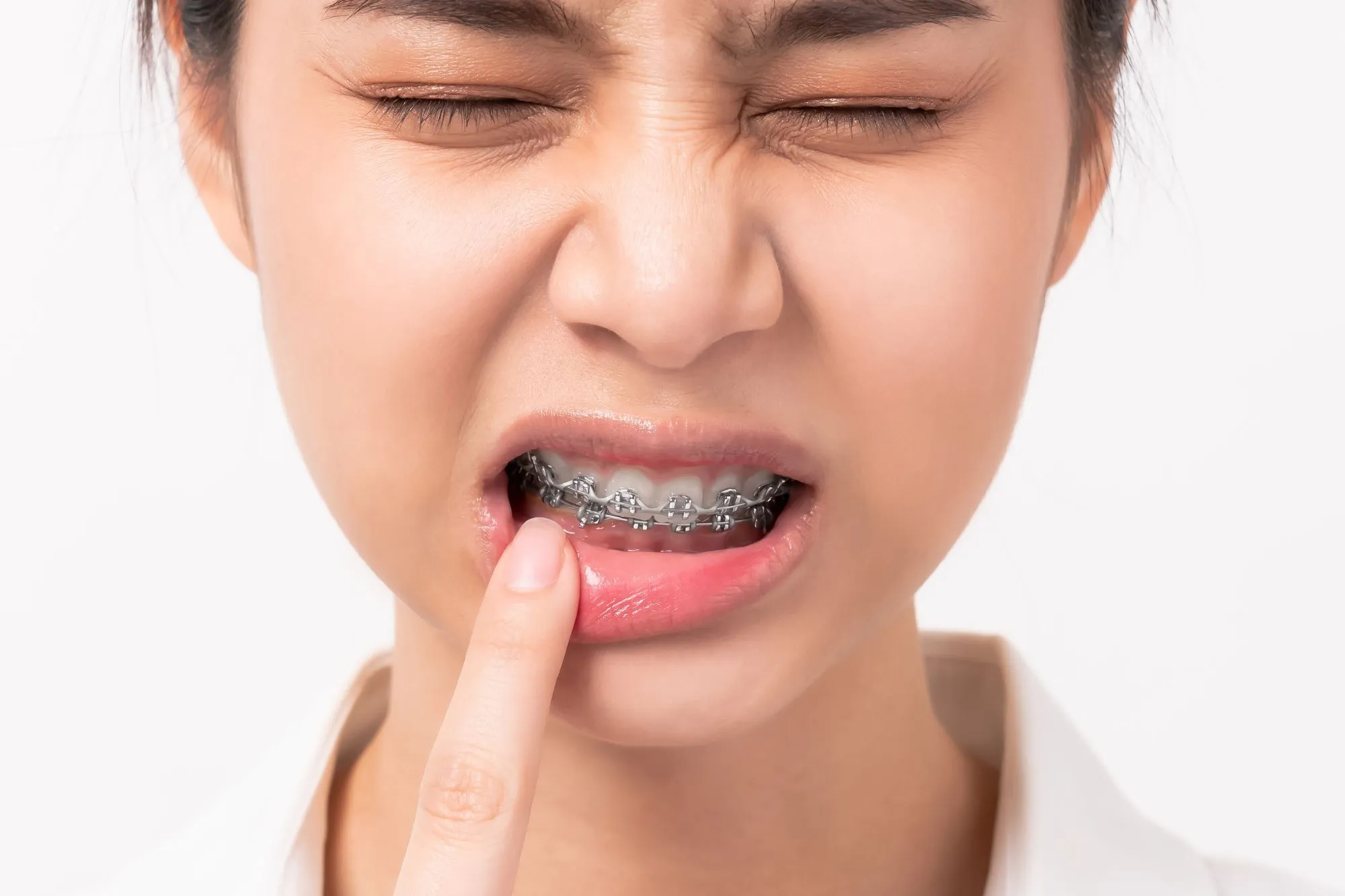
Beyond the Wire: Cellular and Technological Interventions
Illuminating Recovery and Vibrational Therapy
The traditional image of orthodontics often involves physical pressure and the sensation of tightening, but contemporary approaches have evolved into something surprisingly quiet and biologically sophisticated. One of the most promising frontiers is the application of specific light wavelengths to manage sensation and accelerate healing. Often referred to as photobiomodulation, this technique uses low-level lasers or LED arrays directed at the gingival tissue and underlying bone. Unlike pharmaceutical anesthetics that simply numb the nerves, light energy penetrates the tissue to stimulate the mitochondria—the power plants of the cells. This bio-stimulation encourages natural tissue repair and reduces inflammation at the source, offering a biological "assist" to the tooth movement process. Clinical observations suggest that patients undergoing this light therapy often report a lower peak in discomfort immediately following adjustments and a significantly shorter duration of soreness.
Parallel to light therapy is the adoption of vibrational technology. This involves using a specialized device, often worn over aligners or brackets, that delivers high-frequency, gentle micropulses to the dentition. The mechanism behind why this reduces discomfort is rooted in the "Gate Control Theory" of pain. By introducing a non-painful vibratory stimulus to the sensory nerves, the device effectively distracts the neural pathways, blocking or scrambling the transmission of pain signals to the brain. Furthermore, these micro-vibrations serve a physiological purpose beyond mere distraction; they stimulate local blood circulation around the periodontal ligament. Enhanced blood flow helps flush out the inflammatory byproducts that cause aching while delivering fresh oxygen and nutrients to the stressed tissues. This dual action—neural distraction and circulatory support—can turn a week-long recovery period into a matter of days, allowing patients to resume normal activities much faster than in the past.
The Physiology of Movement: Reframing the Sensation
To effectively manage orthodontic discomfort, it is crucial to understand what is happening beneath the gum line. The sensation commonly described as "pain" during treatment is rarely a sign of damage; rather, it is a physiological signal of successful tissue remodeling. Teeth are suspended in the jawbone by the periodontal ligament, a shock-absorbing structure rich in fluid and fibers. When an orthodontic appliance applies pressure, it compresses this ligament on one side and stretches it on the other. This mechanical stress triggers a biochemical cascade, releasing signaling molecules such as prostaglandins. These messengers initiate the breakdown of bone on the pressure side and the building of new bone on the tension side, allowing the tooth to migrate through the jaw.
This inflammatory response, while necessary for movement, is what the brain interprets as a dull ache or sensitivity. Recognizing this distinction is a powerful psychological tool for patients. Unlike the sharp pain of an injury or cavity, orthodontic soreness is a sign that the body’s cellular machinery is functioning correctly. This "remodeling ache" typically follows a predictable curve, distinct from pathological pain. It implies that the treatment is working and the body is adapting. By educating patients on the biological necessity of this inflammation—and how it differs from trauma—practitioners can help reduce the anxiety that often amplifies the perception of pain. Understanding that the sensation is a transient side effect of a positive biological process helps patients tolerate the initial phases of adjustment with greater resilience.
Precision Engineering for Gentler Realignment
The Evolution of Continuous Low Pressure
Historically, the philosophy of tooth movement relied on heavy forces to push teeth into place, often resulting in "hyalinization"—a temporary stoppage of blood flow that caused significant pain and actually stalled tooth movement until the tissue recovered. Modern orthodontics has completely pivoted away from this approach in favor of bio-compatible mechanics. The current gold standard focuses on applying consistent, light pressure that remains below the threshold of crushing the blood vessels in the periodontal ligament. By maintaining capillary blood flow, teeth move more continuously and with considerably less discomfort.
This shift is evident in both advanced wire systems and clear aligner therapy. Modern archwires are often made from temperature-sensitive alloys that exert a gentle, shape-memory force, avoiding the sudden "tightening" shock of older steel wires. Similarly, clear aligner systems break down complex movements into tiny, manageable increments. Instead of forcing a tooth to move a large distance in one go, the digital treatment plan divides the movement into micro-steps, changing the aligner every week or two. This ensures that the pressure applied never exceeds the patient's tolerance or the tissue's adaptive capacity. The result is a treatment experience where the sensation is more akin to mild pressure than acute pain.
| Comparison Dimension | Conventional High-Force Mechanics | Modern Low-Load Activation Systems |
|---|---|---|
| Force Application | Intermittent, heavy forces applied at monthly intervals. | Continuous, light forces applied via shape-memory wires or staged aligners. |
| Tissue Reaction | High risk of blood flow blockage (ischemia), causing delays and sharp pain. | Maintains capillary blood flow, promoting smoother biological remodeling. |
| Patient Sensation | Significant "tightening" sensation and acute soreness for several days post-visit. | Mild pressure or background awareness; reduced peak discomfort. |
| Adjustment Interval | Requires frequent manual tightening to reactivate force. | Pre-programmed force activation works continuously between visits. |
Customization and Material Safety
The reduction of physical discomfort is also driven by the leap in customization and material science. Every mouth is unique, yet for decades, orthodontic appliances were largely mass-produced in standard sizes. Today, the integration of 3D scanning and printing allows for appliances that are custom-manufactured to the micron for each specific patient. Custom-made brackets and aligners fit the unique contours of the teeth perfectly, reducing the friction and unnecessary leverage that often contribute to soreness. When an appliance fits passively and only exerts force exactly where needed, the collateral stress on surrounding teeth and gums is minimized.
Furthermore, the materials themselves play a safety role. High-quality, medical-grade polymers used in modern aligners and retainers are designed to be smooth and biocompatible, preventing the soft-tissue abrasions and ulcers that were once a rite of passage for orthodontic patients. In sports and daily life, the use of custom-fabricated mouthguards over orthodontic gear further protects the lips and cheeks from impact. This level of customization extends beyond just the teeth; it considers the entire oral environment. By eliminating the physical irritation of ill-fitting metal or plastic, the patient's overall inflammatory load is reduced. A mouth free from cuts and sores is far less sensitive to the pressure of tooth movement, creating a compounding effect of comfort that allows patients to forget they are undergoing treatment for large portions of the day.
Strategic Self-Management and Neural Regulation
Timing Your Defense and the 48-Hour Window
Pain management in orthodontics is most effective when it is proactive rather than reactive. The biological reaction to force—the release of inflammatory mediators—begins shortly after an adjustment, but the perception of pain usually lags behind. A highly effective strategy is the preemptive administration of analgesics. Taking a standard over-the-counter anti-inflammatory medication roughly one hour before an appointment can inhibit the production of prostaglandins before they reach peak levels. This "pre-block" prevents the central nervous system from winding up and becoming hypersensitive, making the hours immediately following the appointment significantly more comfortable. Waiting until the pain is severe to take medication is often less effective because the inflammatory cascade is already in full swing.
Equally important is managing the schedule around the "biological clock" of tooth movement. Research and patient reports consistently show that discomfort does not peak immediately but rather intensifies 24 to 48 hours after an adjustment. This is the period when the periodontal fibers are most stretched and the inflammatory response is at its height. Knowing this, patients can strategically schedule their appointments. It is wise to avoid booking adjustments immediately before major work presentations, exams, or social events involving heavy dining. Ideally, adjustments should be scheduled when the patient has a lighter schedule for the following two days. By anticipating this "magic 48-hour window," patients can mentally and logistically prepare, reducing the stress that comes from trying to perform high-focus tasks while distracted by dental soreness.
| Post-Adjustment Phase | Dominant Physiological Response | Recommended Management Strategy |
|---|---|---|
| Pre-Appointment (1 Hour Prior) | Normal baseline. | Take OTC analgesic to preemptively block inflammatory mediators. |
| 0–6 Hours | Mild pressure; sensation of "tightness." | Stick to cool liquids; avoid clenching teeth to "test" the pain. |
| 24–48 Hours (The Peak) | Maximum sensitivity; remodeling inflammation is active. | Switch to soft diet; use vibrational devices if available; keep schedule light. |
| Day 3–5 | Rapid decrease in sensitivity; adaptation begins. | Reintroduce textures gradually; return to normal oral hygiene routine. |
The Psychological Component and Lifestyle Adjustments
The perception of pain is not merely a physical input from the nerves; it is heavily modulated by the brain's emotional state. Anxiety, stress, and sleep deprivation can lower the pain threshold, making a manageable pressure feel unbearable. This concept, known as neural plasticity, implies that by calming the nervous system, one can effectively "turn down the volume" on pain signals. Techniques such as deep, rhythmic breathing can shift the body from a sympathetic (fight or flight) state to a parasympathetic (rest and digest) state, which naturally reduces muscle tension and pain sensitivity. Integrating mindfulness or relaxation exercises during the days following an adjustment can be just as potent as medication for some patients.
On a practical lifestyle level, dietary preparation is the first line of defense against mechanical irritation. The physical act of chewing hard foods during the peak sensitivity window adds trauma to already sensitized ligaments. Patients are encouraged to "meal prep" for the days following an adjustment. Stocking the fridge with nutrient-dense, soft foods—such as smoothies, soups, and yogurts—prevents the "hangry" stress that occurs when one cannot find something painless to eat. By removing the struggle of chewing, the periodontal ligaments are given a chance to rest and recover without additional strain. When combined with a calm mental approach, these lifestyle adjustments transform the patient from a passive recipient of treatment into an active manager of their own comfort, significantly improving the overall orthodontic journey.
Q&A
-
What is Force Threshold Regulation and how does it apply in rehabilitation settings?
Force Threshold Regulation refers to the process of adjusting the amount of force applied during physical activities or therapies to prevent injury and optimize performance. In rehabilitation settings, it ensures that patients engage in exercises that do not exceed their physical capabilities, thereby promoting safe and effective recovery.
-
How can Inflammatory Response Modulation benefit patients recovering from surgery?
Inflammatory Response Modulation involves adjusting the body's natural inflammatory process to reduce pain and promote healing. For patients recovering from surgery, this can lead to quicker recovery times and less discomfort by minimizing excessive inflammation that can otherwise delay healing.
-
What are Low Load Activation Protocols and their significance in physical therapy?
Low Load Activation Protocols involve using minimal weights or resistance during exercises to activate muscles without causing strain. These protocols are significant in physical therapy as they help in gradually rebuilding strength and endurance in patients with injuries or those who are at risk of overexertion.
-
Why is Analgesic Timing Strategies important in managing patient pain post-treatment?
Analgesic Timing Strategies focus on the optimal timing for administering pain relief medications to maximize their effectiveness and minimize side effects. Proper timing is crucial in managing patient pain post-treatment as it can enhance comfort, improve compliance with rehabilitation activities, and contribute to overall recovery.
-
How does Patient Comfort Optimization enhance the recovery process in clinical settings?
Patient Comfort Optimization involves creating an environment and employing strategies that ensure the patient's physical and emotional comfort during treatment. This approach enhances the recovery process by reducing stress and anxiety, which can lead to better patient outcomes and increased satisfaction with the care received.