
Discovering the Perfect Denture Alternatives for Lasting Oral Health
For those seeking enduring solutions for missing teeth, exploring new options can lead to promising improvements in life quality. Modern advancements provide alternatives that cater to aesthetic desires and individual health needs, opening doors to enhanced comfort and functionality without compromising on style or safety.
Moving From Removable to Fixed Foundations
The Shift to Stability and Comfort
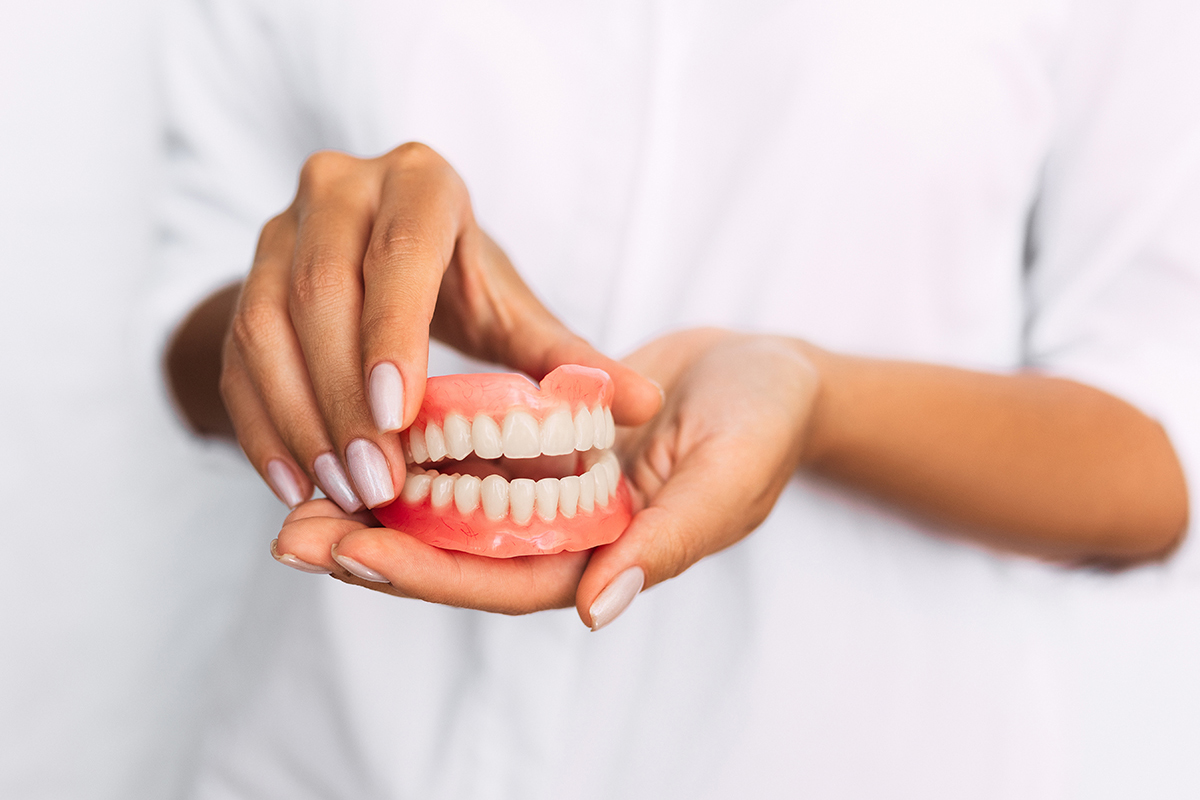
For generations, the standard response to tooth loss was the removable appliance. While these devices served a purpose, they often came with a distinct set of challenges that users silently endured. The psychological burden of worrying whether a prosthetic might slip during a laugh or a meal is significant. Furthermore, the physical design often covered the roof of the mouth with plastic or metal, diminishing the sensation of temperature and taste, effectively placing a barrier between the individual and the enjoyment of food.
Modern dentistry has pivoted towards solutions that mimic the natural biology of the mouth. The contemporary standard focuses on "fixed" restoration. By anchoring artificial roots directly into the jawbone, we bypass the need for adhesives or suction. This structural integration offers a stability that rivals natural teeth. When a replacement is securely fastened, the biting force is restored to near-original levels, allowing for the consumption of crisp apples, nuts, and steaks without hesitation. Beyond the mechanics, the removal of the palate-covering plate restores the full sensory experience of eating, bringing back the texture and heat of a meal that was previously dull. This shift is not merely about aesthetics; it is about reclaiming the confidence to speak clearly and smile broadly without the subconscious fear of movement.
Preserving Facial Structure and Youthfulness
A less visible but critically important consequence of tooth loss is the gradual deterioration of the jawbone. In a healthy mouth, the root of a tooth transmits chewing forces to the surrounding bone. This stimulation signals the body to maintain bone density. When a tooth is lost, that stimulation ceases. Traditional removable appliances sit on top of the gums and do not provide this internal pressure; in fact, the constant rubbing can sometimes accelerate bone loss. Over time, this resorption leads to a shrinking jawline, which manifests externally as a collapsed facial profile, increased wrinkles around the mouth, and a premature aging appearance.
Fixed solutions that utilize an artificial root address this physiological issue directly. By integrating with the bone, they re-establish the necessary stimulation required to keep the jaw structure robust. This process preserves the natural contours of the face, maintaining the support for lips and cheeks. From a long-term health perspective, this is a significant advantage. Maintaining bone density is not just about vanity; a healthy jawbone structure supports better digestion and overall oral function. Choosing a method that interacts biologically with the body helps sustain a youthful appearance and structural integrity for decades, rather than just filling a gap superficially.
| Feature Comparison | Traditional Removable Options | Modern Fixed Root Solutions |
|---|---|---|
| Chewing Efficiency | Often limited; hard foods may be difficult to process. | High; restores natural biting force for all food types. |
| Sensory Experience | Palate often covered, reducing taste and temperature sensation. | Palate remains open, allowing full taste and texture enjoyment. |
| Bone Health | Minimal stimulation; may accelerate bone loss over time. | Mimics natural roots to stimulate and preserve jawbone density. |
| Daily Maintenance | Requires removal for cleaning and soaking. | Brushing and flossing similar to natural teeth. |
Bridging the Gap Without Surgery
A Reliable Middle Ground
Not every scenario requires surgical intervention to achieve a fixed, stable result. For individuals missing one or two teeth who still have strong, healthy teeth on either side of the gap, there is a time-tested "middle ground." This method involves creating a prosthetic that acts as a bridge, anchored securely to the neighboring natural teeth. Unlike removable options, this apparatus is cemented permanently in place. It provides a sense of security and integration that removable devices cannot match, as it does not move, rub against the gums, or require removal at night.
This approach is particularly appealing to those who may be hesitant about surgical procedures or who have medical conditions that make surgery less ideal. It utilizes the existing strength of the patient's remaining dentition to support the restoration. The psychological benefit of having a tooth that feels like part of your body—one that you wake up with and go to sleep with—cannot be overstated. It effectively eliminates the "gap" in a short treatment timeframe, offering immediate functional return. While it does require the preparation of adjacent teeth, the trade-off is a non-removable solution that feels secure and functions naturally, bridging the divide between temporary fixes and invasive surgeries.
Aesthetic and Functional Restoration
When a gap is left in the dental arch, it creates a domino effect of oral health issues. Adjacent teeth often drift into the empty space, and opposing teeth may super-erupt (grow longer) because they lack a partner to bite against. This shifts the entire bite alignment, potentially leading to jaw joint issues and further tooth loss. A fixed bridge acts as a space maintainer, locking the surrounding teeth in their correct positions and preserving the overall harmony of the bite.
Functionally, this restoration allows for clear speech and effective chewing. Since there are no bulky plastic plates interfering with tongue movement, articulation remains sharp and natural. Aesthetically, advancements in materials mean these restorations can be indistinguishable from natural teeth. Skilled technicians can layer ceramics to mimic the translucency and color gradient of the patient’s enamel. Whether it is a front tooth visible in a smile or a back tooth essential for grinding food, the result is a seamless repair. The goal is to make the repair invisible to the naked eye, allowing the individual to interact socially without the self-consciousness that often accompanies visible dental work or gaps.
The Importance of Material Selection
Embracing Metal-Free Options
The materials used in oral restoration have evolved significantly. Historically, metal frameworks were the standard for durability, but they often posed aesthetic challenges, such as a gray line becoming visible at the gum level if gum tissue receded. Today, there is a strong movement towards metal-free materials, such as high-strength zirconia and advanced ceramics. These materials are not only robust enough to withstand the forces of chewing but are also highly biocompatible.
For patients with metal sensitivities or allergies, these non-metal options are a game-changer, eliminating the risk of adverse tissue reactions. Furthermore, the optical properties of modern ceramics are superior. They allow light to pass through slightly, much like natural tooth enamel, creating a look of depth and vitality rather than the flat, opaque appearance of older prosthetics. This "biomimetic" approach ensures that the restoration harmonizes with the soft tissue. Even if the gums recede slightly over the years, there is no dark metal collar to reveal the secret of the restoration, ensuring the smile remains bright and natural-looking indefinitely.
Hygiene and Durability
Beyond aesthetics, the surface properties of restorative materials play a crucial role in long-term health. Modern high-quality ceramics and zirconia can be polished to an extremely smooth finish. This smoothness makes it difficult for plaque and bacteria to adhere to the surface compared to natural enamel or porous plastics. A cleaner surface reduces the risk of inflammation in the surrounding gum tissue, which is vital for the longevity of the restoration.
Durability was once a concern with ceramic materials, but current technologies have produced materials with fracture resistance that rivals metal. This means they can be safely used even in the molar regions where biting forces are strongest. The combination of high strength and low plaque retention makes these materials an ideal choice for a low-maintenance lifestyle. Keeping these restorations clean involves standard oral hygiene practices—brushing and flossing—rather than specialized soaking or chemical cleaners. By choosing materials that are scientifically designed to resist bacterial colonization and physical wear, patients are investing in a solution that supports a healthier oral environment for the long term.
Making an Informed Decision
Evaluating Lifestyle and Long-Term Value
Choosing the right path for dental restoration is a personal journey that balances lifestyle, budget, and health goals. It is essential to view the cost not merely as an expense but as an amortized investment in daily quality of life. While fixed solutions often carry a higher initial price tag than removable ones, their longevity can make them more improved economically over a lifespan. Removable appliances often require relining, adjustments, and eventual replacement as the bone changes shape. In contrast, a well-integrated fixed solution, maintained properly, can last for decades.
Lifestyle compatibility is another crucial metric. For active individuals or those who travel frequently, the simplicity of a solution that requires no special adhesives or containers is invaluable. The psychological freedom of not having to "take your teeth out" creates a sense of normalcy that impacts mental well-being. Conversely, for some, a non-invasive procedure might be the priority due to health constraints. Understanding that there is no single "best" method, but rather a "most appropriate" method for each unique situation, is key. Consulting with a professional to map out a trajectory—considering not just the immediate repair but the status of the mouth ten or twenty years down the road—ensures a decision that brings lasting satisfaction.
| User Priority | Recommended Approach | Key Benefit |
|---|---|---|
| Maximum Stability | Fixed Root Integration | Offers the highest bite force and stops bone loss; feels like natural teeth. |
| Non-Surgical | Fixed Bridge | Permanently cemented without surgery; quick completion time. |
| Budget-Conscious (Short Term) | Removable Appliance | Lower initial cost; non-invasive but requires more maintenance. |
| High Aesthetics | All-Ceramic/Zirconia | Superior light reflection; no dark lines; highly biocompatible. |
Q&A
-
What are the main differences between dental implants and dental bridges?
Dental implants are surgically placed into the jawbone, acting as a replacement root for a missing tooth, and are usually made of titanium. They are a permanent solution and help preserve jawbone health. Dental bridges, on the other hand, rely on adjacent teeth for support and can be less invasive. However, they do not prevent bone loss in the jaw and may require replacement over time.
-
How do resin-bonded bridges differ from traditional dental bridges?
Resin-bonded bridges, also known as Maryland bridges, use a metal or porcelain framework bonded to the back of adjacent teeth, minimizing the need for extensive tooth preparation. Traditional bridges often require the removal of more tooth structure to accommodate crowns on the supporting teeth. Resin-bonded bridges are less invasive but may not be suitable for areas with high bite pressure.
-
What are tooth-supported overdentures, and when are they recommended?
Tooth-supported overdentures are dentures that fit over remaining natural teeth, which are modified to provide support and stability. They are recommended for individuals who still have some healthy teeth left and are looking for a more stable and comfortable alternative to conventional dentures. This option helps in preserving the jawbone and maintaining facial structure.
-
How do you compare denture alternatives for long-term oral health solutions?
When comparing denture alternatives, it's important to consider factors such as durability, comfort, cost, and the impact on oral health. Dental implants offer the best long-term solution as they prevent bone loss and maintain oral health. Bridges and overdentures can be good alternatives for those who are not candidates for implants, though they may require more maintenance over time.
-
What are the long-term benefits of choosing dental implants over other denture alternatives?
Dental implants provide numerous long-term benefits, including improved oral health by preserving jawbone density and preventing bone loss. They offer superior stability and functionality compared to other denture alternatives, making it easier to eat and speak. Additionally, dental implants can last a lifetime with proper care, reducing the need for frequent replacements.