
Exploring the Evolution of Archwire Materials: A Fusion of Strength and Flexibility
In the ever-evolving world of orthodontics, the quest for more effective solutions has driven remarkable advancements in the tools that dental professionals use. Today's innovative combinations result in elements that strike a perfect balance between resilience and flexibility, revolutionizing how dental alignment is achieved and maintained over time.
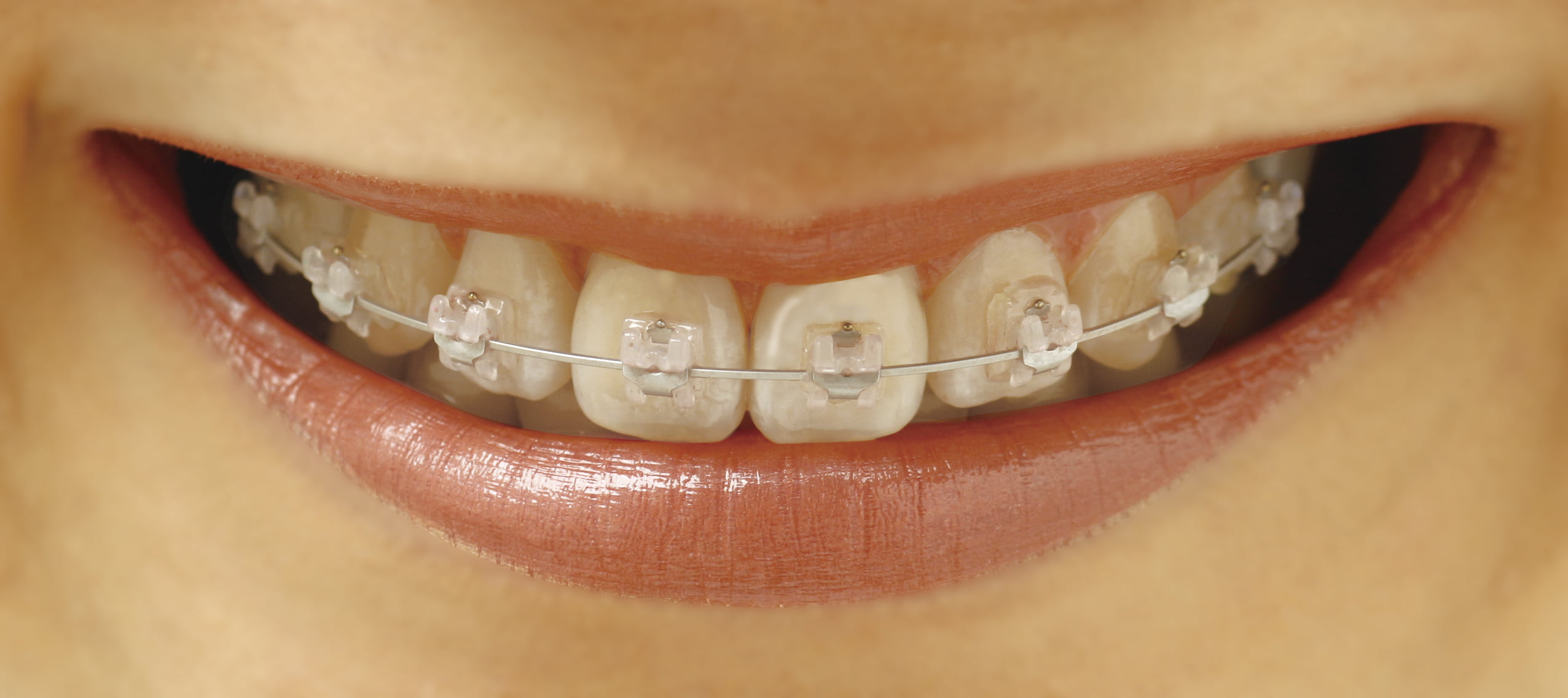
The Science Behind Gentle Tooth Movement
Harnessing Thermal Energy for Controlled Alignment
In the past, the primary complaint regarding orthodontic treatment was the discomfort caused by rigid tightening. This was largely due to the limitations of earlier materials that exerted high force levels immediately upon adjustment. However, the introduction of Heat Activated Alloys has fundamentally altered the patient experience. Unlike standard metals that remain static, these smart materials possess a unique responsiveness to temperature changes within the oral cavity. At room temperature or when chilled, the wire becomes soft and malleable, allowing the orthodontist to easily engage it into the bracket slots, even with severe misalignment.
Once the wire reaches body temperature, a phase transformation occurs at the atomic level. The material attempts to return to its original, pre-manufactured shape, exerting a light, continuous force on the teeth. This phenomenon relies on Superelastic NiTi (Nickel-Titanium) technology, which acts almost like a biological spring. Rather than delivering a heavy blow that fades quickly—which can be damaging to the roots and painful for the patient—these wires maintain a consistent, low-level pressure over weeks or months.
This "atomic dance" creates a biological environment where teeth move more physiologically. The sustained, gentle pressure encourages bone remodeling without overwhelming the periodontal ligament. For the patient, this translates to significantly reduced soreness after appointments and a more efficient leveling phase. The wire effectively works "overtime," continuing to correct rotations and vertical discrepancies long after the patient has left the clinic, reducing the need for frequent emergency visits or tightening sessions.
The Strategic Transition to Rigidity and Control
As the treatment progresses and the initial "unraveling" of crowded teeth is complete, the biomechanical requirements shift. The flexibility that was so crucial in the beginning becomes a liability when trying to perform fine detailing. To finalize the occlusion and ensure the roots are parallel, orthodontists transition to materials that offer higher stiffness and formability. This is where Multistrand Stainless Steel and solid steel variations play a pivotal role. These materials are the heavy lifters of orthodontics, providing the rigidity necessary to flatten the curve of the bite and close spaces without bowing under pressure.
However, the jump from flexible nickel-titanium to rigid steel can sometimes be too abrupt. To bridge this gap, Beta Titanium Wires (often referred to as TMA) serve as an ideal intermediate solution. These alloys offer a "Goldilocks" balance: they are formable enough for the doctor to bend intricate loops or adjustments for individual tooth positioning, yet they possess a spring-back capability that is roughly half that of steel but double that of standard titanium. This allows for the introduction of torque—twisting the wire to change the angle of a tooth—without applying excessive force that could cause root resorption.
The selection of these materials is not arbitrary; it follows a calculated sequence designed to maximize biological response. The following table outlines how different material properties align with specific phases of treatment, highlighting the trade-offs between flexibility and control.
| Material Class | Stiffness Level | Primary Mechanical Function | Patient Sensation |
|---|---|---|---|
| Heat Activated NiTi | Low (High Flexibility) | Initial leveling, rotating, and alignment of crowded teeth. | Gentle, constant pressure; minimizes initial soreness. |
| Beta Titanium (TMA) | Medium (Moderate Formability) | Intermediate detailing, torque expression, and space closure. | Balanced feel; allows for specific adjustments to individual teeth. |
| Stainless Steel | High (Rigidity) | Final finishing, maintaining arch form, and stabilizing position. | Firm and stable; effectively holds the teeth in the finalized position. |
Engineering Efficiency and Comfort
Overcoming Resistance with Surface Technology
One of the invisible adversaries in orthodontic mechanics is friction. As a tooth moves along the archwire, the contact between the bracket slot and the wire creates resistance, known as binding. If this friction is too high, it acts as a brake, halting tooth movement regardless of the force applied. This was a significant issue with traditional untreated metal wires, where microscopic surface roughness would catch and drag against the bracket. To combat this, modern materials science has introduced Surface Treated Archwires designed to be incredibly smooth at a microscopic level.
Through processes like ion implantation or electropolishing, manufacturers can remove surface imperfections, creating a glass-like finish that allows the bracket to slide freely. This reduction in friction is critical for "sliding mechanics," used to close gaps or retract protruding teeth. Furthermore, the industry has developed Friction Reduced Coatings, often utilizing materials like rhodium or polytetrafluoroethylene (PTFE). These coatings not only improve the esthetics by giving the wire a matte or tooth-colored appearance but also act as a lubricant barrier.
The clinical implication of low-friction mechanics is profound. It allows the orthodontist to use lighter forces to achieve the same amount of movement, which improves comfort and preserves the health of the gum tissue. Additionally, smoother surfaces are less likely to harbor plaque and bacteria, contributing to better oral hygiene during the months of treatment. By minimizing the "drag" in the system, these high-tech surfaces ensure that the biological forces are directed efficiently toward tooth movement rather than being lost to mechanical resistance.
Q&A
-
What are the advantages of using Superelastic NiTi in orthodontics?
Superelastic NiTi (Nickel-Titanium) wires are highly valued in orthodontics due to their ability to undergo large elastic deformations without permanent distortion. This characteristic allows for continuous and gentle force application, which is beneficial for tooth movement while minimizing discomfort for patients. Their temperature-sensitive properties also enable ease of manipulation at different temperatures.
-
How do Heat Activated Alloys function in dental treatments?
Heat Activated Alloys, such as certain NiTi wires, change their stiffness in response to temperature variations. At lower temperatures, they are more flexible, making insertion into brackets easier. As they warm up to body temperature, they become stiffer, providing consistent force for effective tooth movement. This property makes them particularly useful in the initial stages of orthodontic treatment.
-
In what scenarios are Beta Titanium Wires preferred over other types of orthodontic wires?
Beta Titanium Wires are chosen for their excellent formability, moderate stiffness, and weldability, making them ideal for complex orthodontic cases requiring intricate bends and adjustments. They also offer a balance between flexibility and strength, which is suitable for finishing stages of orthodontic treatment where precise tooth movement is necessary.
-
What is the role of Multistrand Stainless Steel wires in orthodontic applications?
Multistrand Stainless Steel wires are composed of multiple smaller wires twisted together, providing high flexibility and resilience. They are often used in the early stages of treatment for initial alignment and leveling due to their ability to apply gentle forces. Their braided structure also allows for better control and comfort compared to single-strand wires.
-
How do Surface Treated Archwires with Friction Reduced Coatings benefit orthodontic treatment?
Surface Treated Archwires with Friction Reduced Coatings are designed to minimize friction between the wire and the bracket slot. This reduction in friction leads to more efficient tooth movement and shorter treatment times. Additionally, such coatings can enhance the wire's resistance to corrosion and improve patient comfort by reducing binding and notching during movement.