
From Baby Teeth to Permanent Smiles: Essentials of Pediatric Dentistry
Ensuring that young individuals grow up with strong and radiant oral health involves more than just teaching proper brushing techniques. It requires a proactive approach to dental care tailored to the unique needs of children, laying the groundwork for healthy and confident futures.
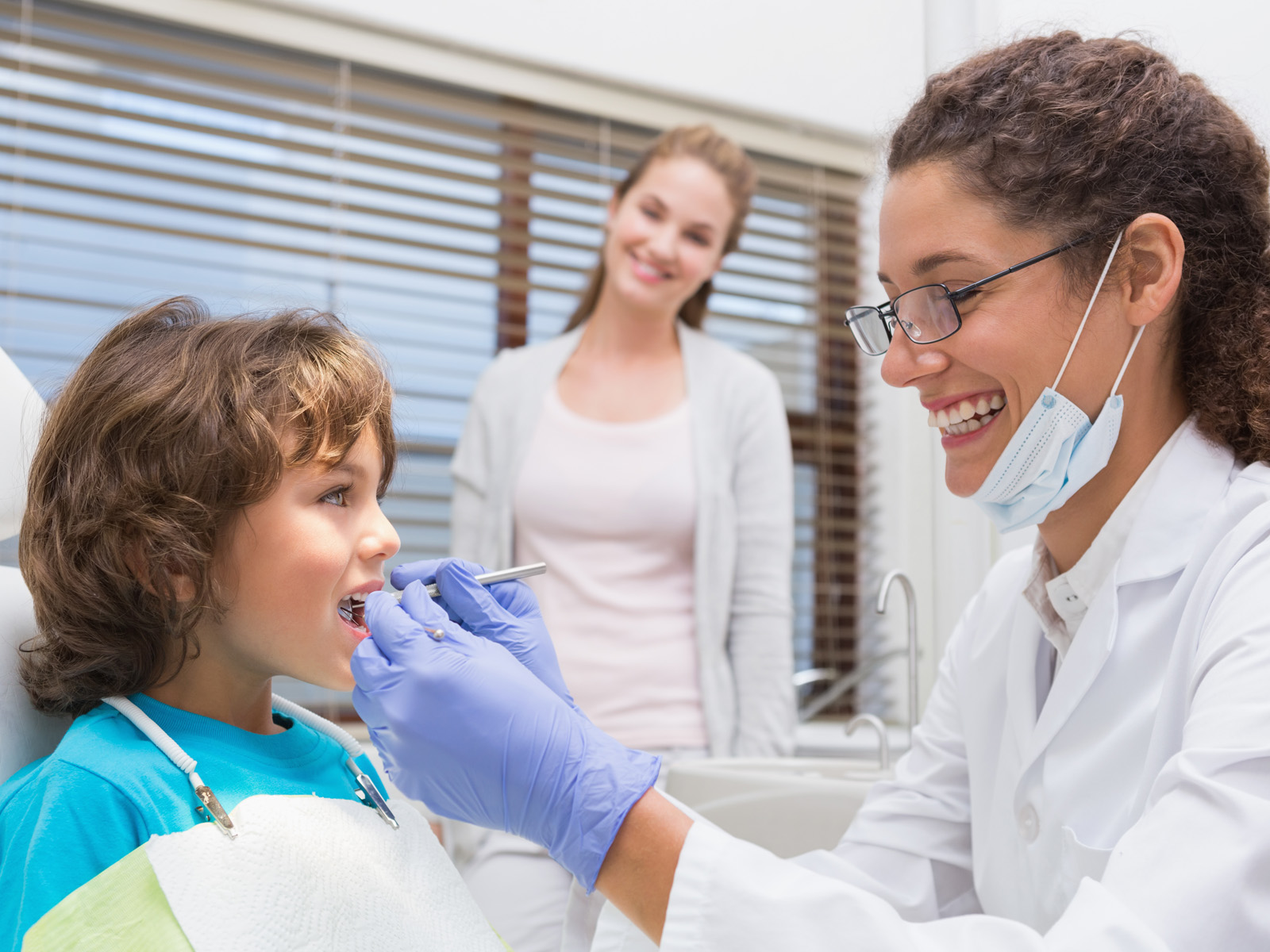
Proactive Protection and Preventive Strategies
Beyond Drilling: The Shift to Non-Invasive Protection
In the landscape of modern pediatric healthcare, the philosophy has shifted dramatically from reactive treatment to proactive prevention. Historically, a visit to the dentist often meant addressing pain or filling a cavity that had already compromised the tooth structure. Today, the standard of care focuses on intercepting problems before they physically manifest on the enamel. This is particularly crucial for primary teeth, which have thinner enamel than permanent teeth and are more susceptible to rapid decay progression.
One of the most effective tools in this preventive arsenal involves shielding the most vulnerable surfaces of the teeth. The chewing surfaces of molars are riddled with deep grooves and pits that are often narrower than a single bristle of a toothbrush. These areas become magnets for food particles and bacteria, creating an environment where decay thrives despite regular brushing. To combat this, practitioners utilize resin coatings that effectively seal off these grooves. By creating a smooth physical barrier, these sealants prevent organic matter from getting trapped, significantly reducing the risk of decay in these high-risk zones. This procedure is painless, non-invasive, and serves as an excellent introduction for a child to sit in the dental chair without fear of discomfort.
Furthermore, strengthening the tooth structure itself is a cornerstone of daily defense. Professional applications of concentrated mineral varnishes are standard practice. unlike over-the-counter toothpastes, these high-concentration treatments adhere to the teeth for several hours, allowing the minerals to permeate the enamel and harden it against acid attacks. This chemical fortification works in tandem with physical barriers to create a comprehensive shield. When combined with dietary counseling—focusing not just on sugar intake but on the frequency of snacking—these measures drastically lower the incidence of decay, allowing children to reach adulthood with their natural tooth structure intact.
| Preventive Measure | Primary Function | Ideal Application Timing |
|---|---|---|
| Protective Resin Coatings | Acts as a physical barrier to "seal out" food and bacteria from deep grooves. | Typically applied as soon as permanent molars erupt (around ages 6 and 12), though also useful for deep-grooved baby teeth. |
| Mineral Fortification Varnish | Chemically strengthens enamel to resist acid attacks from bacteria and sugar. | Applied regularly during check-ups, starting from the eruption of the first tooth. |
| Dietary Management | Reduces the environmental acidity in the mouth by controlling sugar frequency. | Ongoing process; critical during toddler years when eating habits are formed. |
The Psychology of the Dental Chair
Creating a Fear-Free Environment Through "Tell-Show-Do"
For a young child, a dental clinic can be an overwhelming sensory experience, filled with unfamiliar sounds, bright lights, and strange sensations. Recognizing this, the core of pediatric dental competency lies not just in clinical dexterity, but in psychological behavior guidance. The goal is to cultivate a relationship where the child views the dentist not as a figure of authority to be feared, but as a friendly partner in their health journey. This is often achieved through a method known as "Tell-Show-Do," a cornerstone technique in managing pediatric anxiety.
Before any instrument touches the child's mouth, the dentist explains what it is in simple, non-threatening language. For example, a suction device might be introduced as a "thirsty vacuum" that drinks up water. The dentist then demonstrates its use, perhaps on the child's finger or a stuffed animal, to prove it is harmless. Only after the child understands and accepts the tool does the actual procedure begin. This step-by-step desensitization gives the child a sense of control and predictability, which is the antidote to anxiety. By removing the element of surprise, the clinical team can transform a potentially traumatic event into a manageable, and sometimes even fun, experience.
In cases where anxiety is profound or the required treatment is extensive, environmental distractions and safe sedation methods are utilized to protect the child's psyche. Ceiling-mounted televisions playing cartoons or the use of mild sedatives like nitrous oxide (laughing gas) help children relax. It is important for parents to understand that these measures are not used to silence a child, but to ensure their physical safety and emotional well-being. If a child is thrashing out of fear, they risk injury from dental instruments. By lowering the anxiety threshold, the dental team ensures high-quality clinical outcomes while preserving the child’s positive attitude toward future medical care. This "trauma-informed" approach ensures that a child does not carry dental phobias into adulthood.
Monitoring Growth and Orthodontic Milestones
Guarding the Path for Permanent Teeth
There is a prevalent myth that because primary teeth eventually fall out, their health is secondary to permanent teeth. This misconception can lead to significant long-term orthodontic consequences. Primary teeth serve a critical function beyond chewing and speech; they act as natural space holders that guide permanent teeth into their correct positions. If a baby tooth is lost prematurely due to severe decay or infection, the surrounding teeth tend to drift into the vacant space. This migration closes the gap required for the permanent tooth underneath, leading to impaction, crowding, or the need for complex orthodontic intervention later in life.
When a primary tooth is lost ahead of schedule, a pediatric dentist will often place a custom-made appliance designed to hold that space open until the permanent tooth is ready to erupt. This proactive space management is a key aspect of developmental monitoring. Regular check-ups allow the dentist to track the sequence of eruption and the growth of the jawbones. By identifying skeletal imbalances or eruption anomalies early—such as a crossbite or a permanent tooth coming in at the wrong angle—interventions can be timed to utilize the child's natural growth spurts. This "interceptive orthodontics" can simplify, or in some cases eliminate, the need for braces in the teenage years.
Furthermore, the transition from baby to permanent teeth is a window of vulnerability. As new teeth break through the gums, the gum tissue can become inflamed, and the new enamel is not yet fully hardened. Professional monitoring during this mixed dentition phase ensures that hygiene practices evolve to meet these new challenges. Dentists act as developmental guardians, ensuring that the structural foundation of the mouth is sound. It is a partnership between the clinic and the home, where professional oversight complements daily care to navigate the complex biological changes of childhood.
| Scenario / Observation | Potential Risk if Ignored | Professional Management Strategy |
|---|---|---|
| Premature loss of a baby tooth | Neighboring teeth may shift, blocking the permanent tooth. | Insertion of a "space maintainer" to keep the gap open. |
| Thumb sucking beyond age 3-4 | Deformation of the upper jaw and protruding front teeth. | Behavioral coaching and potential use of habit-breaking appliances. |
| Crowded or crooked baby teeth | Indication that the jaw may be too small for permanent teeth. | Early orthodontic assessment to guide jaw expansion or growth. |
| Permanent tooth erupting behind baby tooth | "Shark teeth" appearance; can alter the bite alignment. | Monitoring for natural correction or extraction of the lingering baby tooth. |
Q&A
-
What is Early Childhood Caries (ECC) and how can it be prevented?
Early Childhood Caries (ECC) is a form of tooth decay that affects young children, typically under the age of six. It can be prevented through regular dental check-ups, maintaining proper oral hygiene, reducing sugar intake, and using fluoride treatments. Parents should also monitor their children's diet and ensure they brush their teeth twice a day with fluoride toothpaste.
-
How does behavior management play a role in pediatric dentistry?
Behavior management is crucial in pediatric dentistry as it helps dentists effectively communicate with and treat young patients. Techniques such as positive reinforcement, tell-show-do methods, and creating a friendly environment can reduce anxiety and encourage cooperation during dental visits, making procedures like sealant application or fluoride treatments smoother and more successful.
-
What are pit and fissure sealants, and when should they be used?
Pit and fissure sealants are protective coatings applied to the chewing surfaces of back teeth (molars and premolars) to prevent decay. They are especially beneficial for children, as these areas are prone to cavities due to their deep grooves. Sealants are typically applied soon after the permanent teeth have erupted, usually around ages 6 to 14.
-
How do fluoride varnishes contribute to dental health in children?
Fluoride varnishes are highly concentrated fluoride treatments applied to the teeth's surface to strengthen enamel and prevent decay. They are safe for children and can be applied 2-4 times a year during dental visits. This treatment is effective in reducing the incidence of cavities and is an integral part of preventive dental care.
-
What is the purpose of space maintainers in pediatric dentistry?
Space maintainers are devices used to hold open the space left by a prematurely lost baby tooth. This prevents the surrounding teeth from shifting into the gap, ensuring there is enough space for the permanent tooth to erupt properly. They are essential in maintaining proper alignment and function of the developing teeth and jaw.