
A Deep Dive into the Essential Steps of a Dental Exam
Stepping into a dental office may evoke a mix of anticipation and curiosity as numerous procedures unfold to ensure oral well-being. From carefully evaluating previous health records to a thorough exploration for potential concerns, each visit promises essential insights into maintaining a vibrant and healthy smile.
Visualizing the Invisible Beneath the Surface
The Critical Role of Modern Imaging Technology
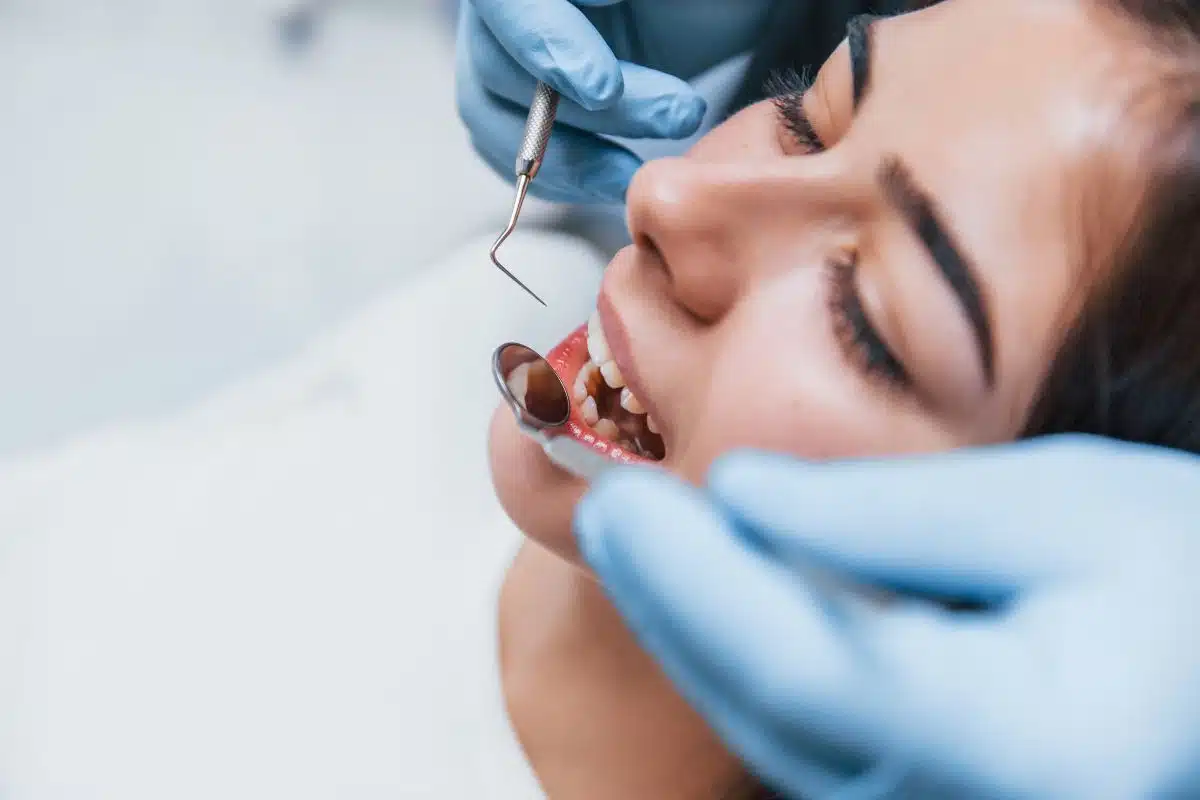
While a visual inspection is fundamental, the naked eye can only perceive a fraction of oral anatomy. A significant portion of a tooth lies beneath the gum line, anchored in bone. To fully assess oral health, clinical teams rely on advanced imaging technologies. These tools are indispensable for detecting issues that remain hidden from a standard visual check, such as decay developing between teeth or infections at the root tip. Without these insights, diagnosis remains superficial, potentially leaving serious problems to worsen over time.
The shift toward digital sensors has revolutionized this aspect of the exam. Digital imaging significantly reduces radiation exposure compared to traditional film and provides instant, high-resolution images on a monitor. This allows the dentist to zoom in and show the patient exactly what is happening—be it the density of the jawbone, the positioning of impacted wisdom teeth, or the integrity of existing fillings. This visualization transforms the exam from a passive experience into an educational one, where patients can see the logic behind the diagnosis.
Regular imaging is less about finding cavities and more about establishing a baseline for health. By comparing current images with previous ones, dentists can track changes over time, catching shifts in bone levels or tooth movement before they become symptomatic. This proactive approach saves patients from complex, emergency procedures down the line.
| Feature | Visual Examination | Digital Imaging Assessment |
|---|---|---|
| Primary Scope | Surface enamel, soft tissue, and visible alignment. | Internal tooth structure, root health, and jawbone density. |
| Detection Capability | Identifies surface stains, cracks, and visible cavities. | Reveals interproximal decay (between teeth) and cysts. |
| Patient Insight | Limited to what can be shown with a mirror. | High-definition images displayed on screens for co-diagnosis. |
| Prevention Focus | Monitors gum recession and plaque accumulation. | Tracks bone loss patterns and developmental anomalies. |
The Art of Professional Restoration and Hygiene
Going Beyond the Daily Brush and Floss
The hygiene phase of a dental visit is often the most physically tangible part of the appointment. While daily brushing and flossing are essential, they cannot remove hardened calculus (tartar) once it has bonded to the tooth surface. Professional cleaning involves the meticulous removal of these deposits using specialized instruments. Dental hygienists perform what is essentially a biological reset for the mouth, disrupting the bacterial biofilm that constantly forms on oral surfaces. If left undisturbed, this biofilm calcifies and creates a breeding ground for bacteria that drive gum disease.
The process often involves ultrasonic tools that use vibration and water flow to dislodge debris, followed by hand instrumentation for fine detail work. This mechanical removal is crucial because tartar build-up provides a rough surface that attracts even more plaque, creating a cycle of accumulation that home care cannot break. Furthermore, the cleaning extends below the gum line, an area inaccessible to a standard toothbrush, ensuring that the foundational tissues supporting the teeth remain free of inflammation.
Following the removal of debris, the teeth are polished to smooth the enamel surface, making it more difficult for new bacteria to adhere. This appointment also serves as a coaching session. Hygienists assess the effectiveness of a patient’s home routine and provide personalized advice—such as demonstrating proper flossing techniques or recommending interdental brushes—to empower patients to maintain that "fresh from the dentist" level of cleanliness until their next visit.
Safeguarding Your Future Health
Detecting Silent Threats and Planning Ahead
A routine visit encompasses vital screenings that go unnoticed by many patients but are life-saving in nature. The examination of soft tissues—including the tongue, floor of the mouth, and throat—is a primary defense against serious pathologies. Oral cancer often presents as a painless lesion or a subtle change in tissue texture in its early stages, making it easy to miss during self-examination. Dentists and hygienists are trained to recognize these minute irregularities. By palpating the neck and jaw area, they also check for swollen lymph nodes, offering a comprehensive review that extends beyond just "fixing teeth."
Following the clinical and radiographic assessments, the focus shifts to organizing the findings into a coherent strategy. This is where data is translated into a roadmap for long-term health. A comprehensive plan prioritizes urgent needs, such as active infection or decay, while also mapping out elective procedures like cosmetic improvements or orthodontic alignment. This structured approach prevents the "patchwork" dentistry that occurs when problems are only treated as emergencies.
Understanding the logistical side of healthcare is equally important. A well-structured plan includes a transparent discussion about timeline and investment. Whether it involves navigating insurance benefits or setting up a phased treatment schedule, clarity eliminates surprise and anxiety. By aligning clinical needs with personal circumstances, the dental team ensures that the path to optimal health is not only medically sound but also practical and sustainable for the patient.
| Decision Factor | Immediate Intervention Required | Monitor and Maintenance |
|---|---|---|
| Symptom Level | Acute pain, swelling, or sensitivity to temperature. | Asymptomatic; no discomfort reported by patient. |
| Structural Integrity | Broken teeth, lost fillings, or active decay spreading to pulp. | Small enamel defects or stained fissures with no softness. |
| Gum Health | Bleeding upon probing, deep pockets, or abscesses. | Stable gum levels; slight gingivitis manageable with hygiene. |
| Risk Profile | High risk of infection spread or systemic impact. | Low risk; stable history with regular home care adherence. |
Q&A
-
What are Bitewing X-rays and why are they important in dental care?
Bitewing X-rays are a type of dental radiograph that captures the crowns of the upper and lower teeth in a single image. They are crucial for detecting cavities between teeth and assessing bone loss due to gum disease. By providing detailed images of these areas, they help dentists in early diagnosis and in planning effective treatment strategies.
-
How does Prophylaxis contribute to oral health?
Prophylaxis is a preventive dental procedure that involves the thorough cleaning of the teeth to remove plaque, tartar, and stains. It is essential for maintaining good oral hygiene and preventing periodontal disease. Regular prophylaxis can help in avoiding the progression of gum disease and in maintaining overall oral health.
-
What is involved in an Oral Cancer Screening, and who should consider it?
Oral Cancer Screening is a procedure in which a dentist or doctor checks for signs of cancer or precancerous conditions in the mouth. This typically involves a visual examination of the mouth, lips, and throat, and may include palpation of the head and neck. Individuals with risk factors such as tobacco use, heavy alcohol consumption, or a history of oral cancer should consider regular screenings.
-
Why is Patient Medical History important in Treatment Planning?
Patient Medical History provides crucial information about a patient’s past and present health conditions, medications, and allergies. This information is vital for dental professionals to consider when planning treatments, as it helps in identifying any potential risks or contraindications and in customizing treatment plans to ensure patient safety and effectiveness.
-
What is Plaque Debridement, and when is it necessary?
Plaque Debridement is the process of removing dental plaque, a sticky film of bacteria that forms on teeth. It is necessary when plaque has hardened into tartar and cannot be removed by regular brushing and flossing. This procedure is essential to prevent gum disease, tooth decay, and other oral health issues. Regular dental check-ups and cleanings can help in the timely removal of plaque build-up.